
Navigating the Palm Oil Market: Demand Surge Amid Supply Chain Challenges
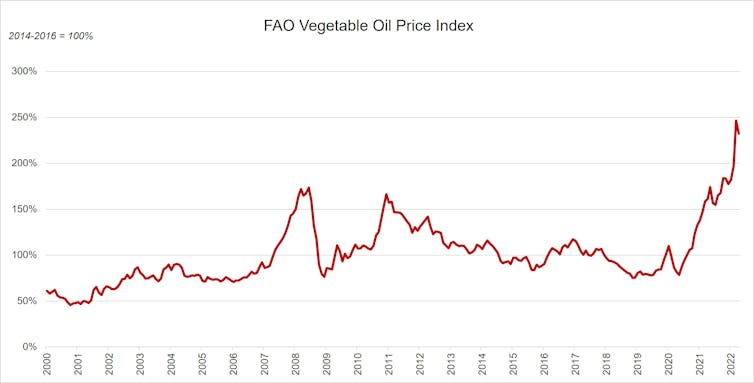
As the world grapples with the repercussions of geopolitical tensions, the palm oil market stands at a critical juncture. As of April 2025, palm oil prices have stabilized around $970 per metric ton, buoyed by a 4% projected increase in demand primarily from burgeoning markets like India and China. Known for its extensive applications in food production and biofuels, palm oil's rising consumption reflects broader economic trends, but it does not come without challenges. This article delves into the current dynamics of the palm oil market, exploring the factors driving demand and the supply chain difficulties that threaten stability.

Demand Drivers
The increasing consumption of palm oil, particularly in the culinary and biofuel sectors, serves as a significant catalyst for its demand. In a recent report, the U.S. Department of Agriculture (USDA) noted that India's palm oil imports have surged, reflecting a shift in dietary habits towards more sustainable and versatile oils. This trend is not isolated to India; China's growing middle class and their appetite for palm oil-based products—ranging from cooking oils to processed foods—further undergird this rising demand.
According to a recent analysis from Trading Economics, the demand for palm oil can also be attributed to its cost-effectiveness compared to other oils, making it a preferred choice in developing economies where price sensitivity is a critical factor. The versatility of palm oil in various applications, particularly in the food and biofuel sectors, underscores its position as a staple commodity.
Supply Chain Challenges
Despite the promising demand outlook, the palm oil market faces considerable challenges stemming from geopolitical tensions, particularly in Indonesia and Malaysia, which collectively account for over 85% of global palm oil production. Recent unrest and regulatory changes in these countries have created substantial disruptions in supply chains. For instance, trade disputes have led to fluctuating export rates, and concerns around environmental regulations have prompted producers to rethink their cultivation methods.
A report by Business Standard notes that these geopolitical tensions could lead to potential price volatility in the coming months, as any significant disruption could trigger supply shortages. In a market already characterized by narrow margins, these fluctuations could have dire consequences for producers and consumers alike.

Sustainability Trends
Amid rising consumer awareness and increasing regulatory pressures, there is a growing movement towards sustainable practices within the palm oil industry. Producers are adopting more environmentally friendly methods, such as certified sustainable palm oil (CSPO) initiatives, which not only enhance the market's appeal but also align with global sustainability trends.
Environmental groups, including the World Wildlife Fund (WWF), have been advocating for better practices in palm oil production, urging consumers to support products that commit to sustainable sourcing. This shift towards sustainability is crucial, as it not only addresses the negative environmental impacts associated with palm oil cultivation but also responds to consumer demand for ethically sourced products.
Market Outlook
Looking ahead, the future dynamics of the palm oil market hinge on the balance between demand growth and ongoing supply chain challenges. As India and China continue to increase their consumption, market players must navigate the complexities presented by geopolitical factors and sustainability pressures.
For investors and stakeholders, understanding these dynamics is essential for making informed decisions. With the palm oil market's sensitivity to external factors, maintaining a vigilant and well-informed stance will be crucial in mitigating risks associated with supply chain disruptions and price volatility.
Conclusion
The palm oil market is currently experiencing a dual narrative: a surge in demand propelled by emerging markets and simultaneous challenges posed by geopolitical tensions and sustainability concerns. As prices stabilize around $970 per metric ton, stakeholders must remain alert to the evolving landscape, balancing opportunities with risks. The interplay of demand and supply will dictate market movements, making it imperative for investors to stay informed and agile in response to this dynamic commodity landscape.
For further insights on market trends, readers can explore the latest data from Trading Economics and Business Standard.