Palm Oil Market Dynamics: Navigating Geopolitical Challenges and Demand Fluctuations
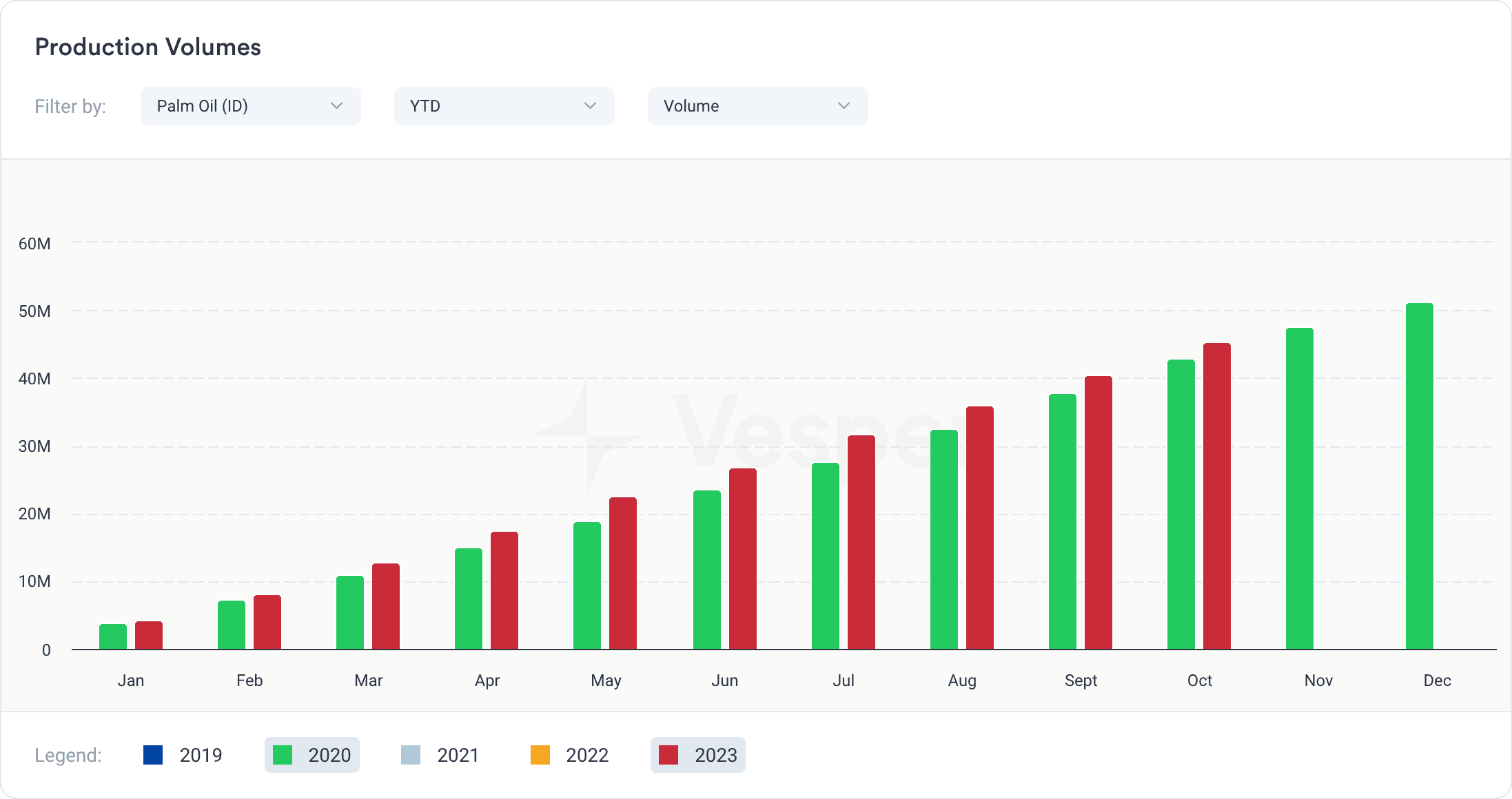
The palm oil market is currently navigating a complex landscape influenced by geopolitical tensions primarily in Indonesia and Malaysia, which together account for over 85% of global palm oil production. Amid rising demand from major consumers such as India and China, the market faces both opportunities and challenges. As of mid-April 2025, palm oil prices have stabilized at approximately $970 per metric ton, reflecting a 4% increase in demand driven by the food and biofuel sectors. However, geopolitical risks in producing countries create uncertainties in supply stability.

Current Price Trends
As noted, palm oil prices are currently hovering around $970 per metric ton. This price stabilization signals a 4% increase in demand largely attributed to the food and biofuel industries. The rise in prices is particularly relevant as countries like India and China ramp up their consumption. In India, the demand for palm oil is projected to rise due to its prevalent use in cooking and food processing. Meanwhile, China's burgeoning biofuel sector contributes significantly to palm oil's increasing consumption.
Despite these optimistic demand projections, the geopolitical situation in Southeast Asia presents critical challenges. Political tensions in Indonesia and Malaysia, exacerbated by regulatory changes and civil unrest, have raised concerns among investors regarding the reliability of palm oil supplies.
Geopolitical Impacts
Political tensions in both Indonesia and Malaysia are pivotal factors affecting the palm oil market. Recent protests and changes in legislation have raised alarms about potential disruptions in supply chains and production levels. For instance, Indonesia's restrictions on palm oil exports in response to domestic food inflation have led to increased market volatility. Such developments can severely impact the global supply of palm oil, creating ripple effects across the food and biofuel industries.
Furthermore, the ongoing U.S.-China trade war adds another layer of complexity. Tariffs imposed by the U.S. on various commodities, including palm oil, signal a broader risk to international trade dynamics in the region. As a result, stakeholders must remain vigilant about geopolitical developments that could influence market stability.
Demand Dynamics
The demand for palm oil remains robust, particularly from Asia. India and China are the largest consumers, with India's demand expected to increase due to its use in cooking and food processing. For example, palm oil is extensively used in the production of snacks, margarine, and bakery goods. Meanwhile, China's growing biofuel sector is also contributing to increased consumption levels. Analysts anticipate that these factors will continue to drive demand upward, even as the market grapples with supply chain disruptions.
Moreover, the trend toward sustainability is reshaping consumer preferences. Increasingly, both consumers and producers prioritize certified sustainable palm oil (CSPO), which aligns with environmental and social governance (ESG) criteria. This shift not only affects purchasing decisions but also influences production practices, as companies seek to meet regulatory requirements and consumer expectations.
Sustainability Trends
The push toward sustainability is having a profound impact on the palm oil industry. Producers are increasingly under pressure to adopt environmentally friendly practices, with many committing to sustainable sourcing in order to enhance their reputations and comply with escalating regulatory frameworks. The commitment to CSPO is gaining traction, with numerous companies pledging to source their palm oil sustainably.
This shift has significant implications for production costs and market prices. Sustainable practices often involve higher initial investments, which can be challenging for small producers. However, the long-term benefits, including access to premium markets and enhanced brand loyalty, are compelling reasons for the industry to embrace these changes.
Conclusion
The palm oil market stands at a critical juncture, balancing geopolitical challenges with rising demand and sustainability initiatives. Investors should closely monitor these dynamics as they can significantly influence market stability and pricing in the coming months. Understanding the interplay between geopolitical factors and market demand is crucial for making informed investment decisions in this sector.
With geopolitical tensions likely to persist, stakeholders must remain adaptable and proactive in their strategies. The palm oil market offers numerous opportunities, especially for those who can navigate the complexities of demand fluctuations and sustainability trends. As the industry evolves, so too must the approaches to investment and production, ensuring that stakeholders can capitalize on the growth potential that lies ahead.