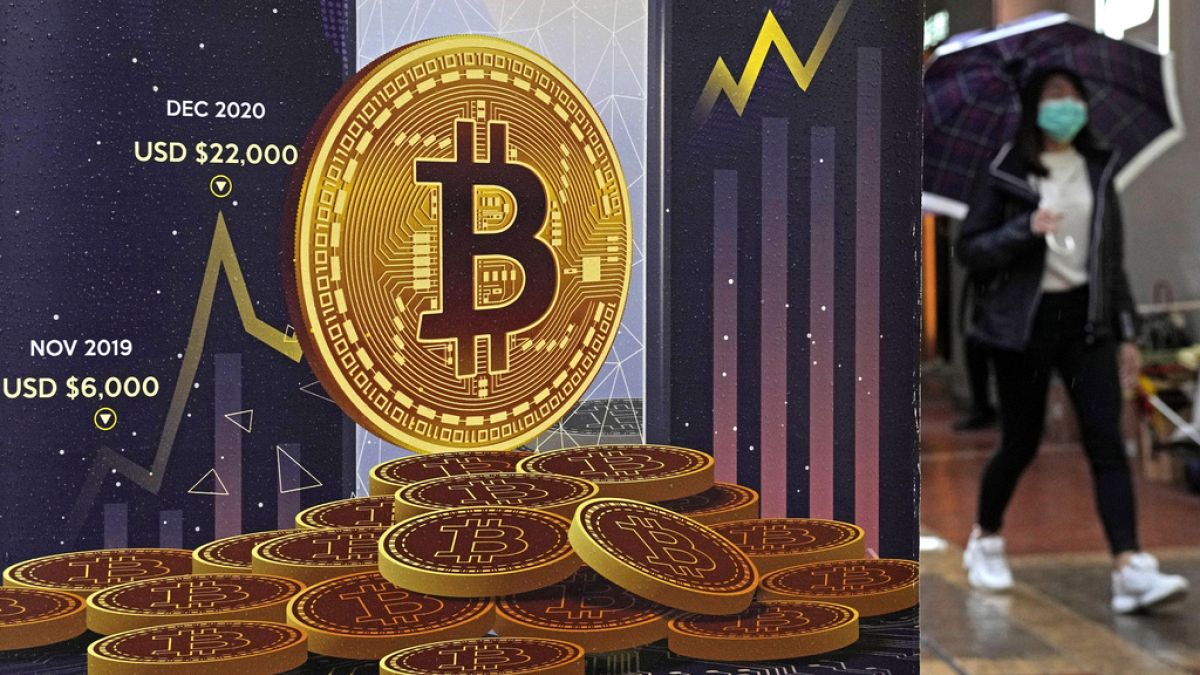
Bitcoin's Resilience Amid Tariff Turbulence: A Market Analysis
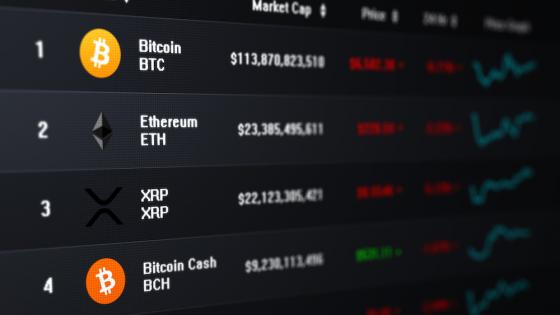
In the rapidly evolving landscape of cryptocurrency, Bitcoin (BTC) stands at a pivotal juncture as it grapples with the implications of newly instituted 25% tariffs by the United States on imports from Canada and Mexico. Currently trading around $84,000, Bitcoin's price reflects a blend of market resilience and investor apprehension. The broader cryptocurrency market capitalization has experienced fluctuations, resting near $2.7 trillion. This analysis examines the impact of these tariffs on Bitcoin's market dynamics, investor sentiment, and potential future trajectories.
Market Overview
Tariffs often stir volatility across various asset classes, including cryptocurrencies. Following the announcement of the tariffs, Bitcoin briefly declined by approximately 4%, a movement indicative of heightened caution among investors in the face of geopolitical turmoil. This decline, however, showcased Bitcoin's remarkable ability to stabilize, managing to maintain a price above $80,000. Analysts suggest that this threshold may serve as a critical support level, indicating potential for a recovery if market conditions stabilize.
Market analysts have long noted the cyclical nature of cryptocurrency prices, and the recent tariff-induced fluctuations are no exception. According to data from MarketWatch, Bitcoin remains 21% off its peak, yet institutional interest continues to build. This interest stems from Bitcoin's evolving role as a digital store of value, positioning it favorably against traditional assets amid inflationary pressures.
Technical Analysis
Technical indicators reveal that Bitcoin is in the process of establishing a new medium-term bottom following the recent sell-off prompted by tariff anxiety. A classic bullish reversal pattern has emerged, with target projections suggesting a potential rise towards $110,000 if the current support levels hold firm.
Traders are closely monitoring key resistance and support levels, particularly the $85,000 mark, which could act as a significant pivot point for Bitcoin's trajectory in the near term. As noted in recent reports from TradingView, the consolidation phase suggests that Bitcoin may be gearing for a breakout, potentially driven by increased market participation from institutional investors.
Investor Sentiment
The Fear and Greed Index currently signals a shift toward fear, heavily influenced by macroeconomic uncertainties stemming from the U.S. tariffs. Historical data indicates that Bitcoin has historically emerged stronger following market corrections. This current dip, perceived by many investors as a buying opportunity, reflects a cautious optimism among long-term holders.
According to Cathie Wood, founder of Ark Invest, greater adoption of Bitcoin as a store of value could propel its price to unprecedented heights, potentially reaching $1.5 million by 2030. Such forecasts hinge on broader acceptance among institutional players and increased market penetration in emerging economies.
Tariff Implications on Market Dynamics
The imposition of tariffs can create a ripple effect through various sectors, and cryptocurrencies are not immune to such influence. The trade policies of the U.S. can affect investor sentiment globally, leading to shifts in how cryptocurrencies are perceived as safe-haven assets.
In light of rising geopolitical tensions, Bitcoin has often been viewed as a hedge against traditional market turmoil. Its price movements reflect not only domestic economic policies but also international trade relations. The tariffs on Canadian and Mexican goods could signal a broader trend of protectionism that may compel investors to seek alternatives outside conventional asset classes, thereby bolstering demand for Bitcoin.
Market Statistics
- Current Bitcoin Price: $84,000
- Market Capitalization: $2.7 trillion
- Recent Price Drop: 4%
- Potential Price Target: $110,000
Conclusion
As Bitcoin navigates the complexities of external economic pressures, its resilience will be tested. Investors are urged to remain vigilant, analyzing macroeconomic indicators alongside technical patterns to make well-informed decisions. The interplay between U.S. tariffs and cryptocurrency valuations will undoubtedly shape the market landscape in the coming months.
In an unpredictable economic environment, Bitcoin's adaptability may prove crucial. Its potential as a digital store of value, combined with the growing institutional interest, suggests that Bitcoin could not only weather this storm but may emerge from it with renewed strength.
In a world where financial landscapes are shifting rapidly, Bitcoin remains a focal point for those seeking innovative investment opportunities amidst the chaos of traditional markets. The resilience shown during these turbulent times could mark a significant chapter in Bitcoin's storied history, further solidifying its status within the financial ecosystem.