Market Turbulence: Analyzing the Impact of Recent Tariffs on U.S. Stocks
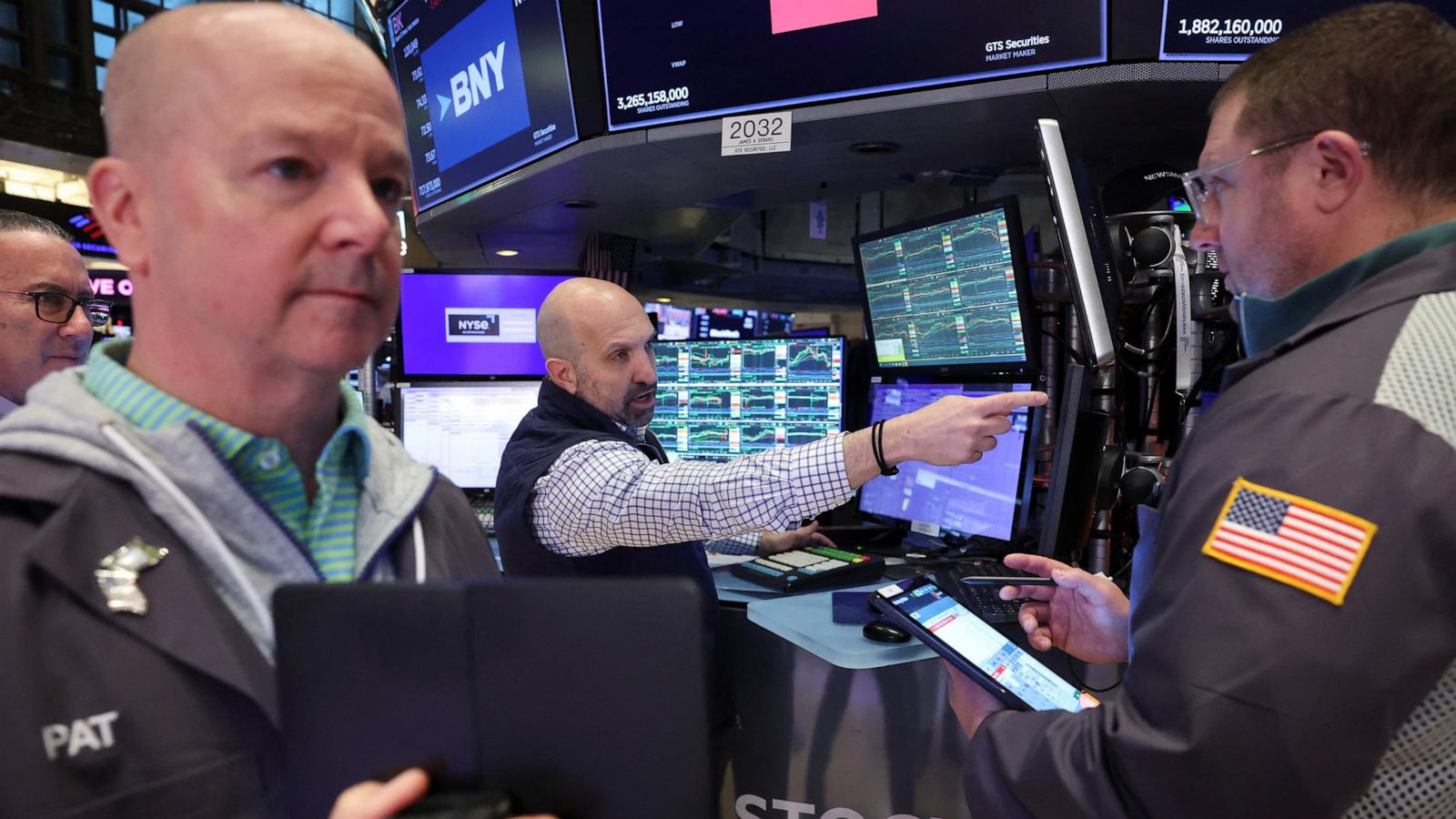
As the U.S. stock market grapples with the repercussions of newly imposed tariffs, a palpable sense of anxiety has emerged among investors. On April 21, 2025, the Dow Jones Industrial Average plummeted by 550 points during intraday trading, a stark indicator of the turbulence affecting the financial landscape. The recent tariffs, described as "reciprocal" by President Donald Trump, have not only unsettled major indices but significantly impacted technology stocks, leading to a wave of sell-offs that has left many questioning the sustainability of the current market rally.
Tariff Background and Market Reaction
The tariffs, which have been framed as a response to trade imbalances, were announced amid escalating tensions with China and have raised concerns about a potential trade war. Analysts indicate that the abrupt changes in trade policy have led to heightened uncertainty, prompting a cautious approach from investors. According to CNBC, the knee-jerk reactions in the equity markets reflect a broader trend of capital fleeing to perceived safer assets, with European equity funds witnessing a notable influx as U.S. stocks face heightened volatility.
The S&P 500, a key benchmark for U.S. equities, mirrored this sentiment, reflecting a withdrawal from high-risk investments. The recent trend has been compounded by bearish sentiment regarding the tech sector, which has been particularly susceptible due to its intricate global supply chains. As highlighted by Investors.com, stocks of major players like Nvidia (NASDAQ: NVDA) and Tesla (NASDAQ: TSLA) have declined sharply, underscoring the strain on companies reliant on overseas production and markets.
Sector Analysis
The U.S. technology sector, often referred to as the backbone of the modern economy, has shown significant vulnerability in light of these new tariffs. The deluge of negative sentiment surrounding this sector raises critical questions about its resilience. A Yahoo Finance report noted that stocks associated with the "Magnificent Seven" tech giants, which include companies like Apple, Microsoft, and Alphabet, are under intense scrutiny as their upcoming earnings reports could either stabilize or further disrupt market sentiment.
As the market braces for these key earnings reports, analysts are concerned that further declines could materialize if the tech giants fail to meet investor expectations. The trend toward a more cautious investment approach is evident, as evidenced by the drop in the NASDAQ Composite Index, which has suffered considerably due to investor wariness over potential headwinds.
The Broader Impact of Tariffs
The implications of the tariffs extend beyond mere stock price fluctuations. The current environment underscores a strategic shift in how investors approach the market landscape. As financial analysts grapple with the fallout, many are urging investors to reassess their portfolios. Diversification is emerging as a critical strategy to mitigate risks associated with tariff-induced volatility.
In light of these developments, industry experts caution that investors should remain vigilant and adaptable. Marketwatch highlights that the sharp decline in U.S. equities has led to a pivot in investor behavior, with many reallocating assets to minimize exposure to tariff-impacted sectors. This trend may lead to a more significant transformation in investment strategies as stakeholders navigate the complexities of a changing economic environment.
Conclusion
The volatile landscape of the U.S. stock market amid the recent tariffs serves as a reminder of the fragility of financial ecosystems influenced by geopolitical factors. As the market continues to evolve, investors are advised to keep a close watch on the unfolding situation. Strategic planning and diversification will be paramount in navigating this turbulent period. The broader implications of these tariffs may well shape the future of the equity markets, and staying informed will be essential for making sound investment decisions.
As April unfolds, the intersection of trade policies, sector performance, and investor sentiment will be critical in determining the trajectory of the U.S. stock market. Stakeholders must remain agile and prepared to adjust their strategies as the economic landscape shifts under the weight of international trade tensions.
Keywords
- Tariffs
- Stock Market
- Dow Jones
- Technology Stocks
- Volatility