The Strategic Shift: Trump’s Cryptocurrency Reserve and Its Global Implications
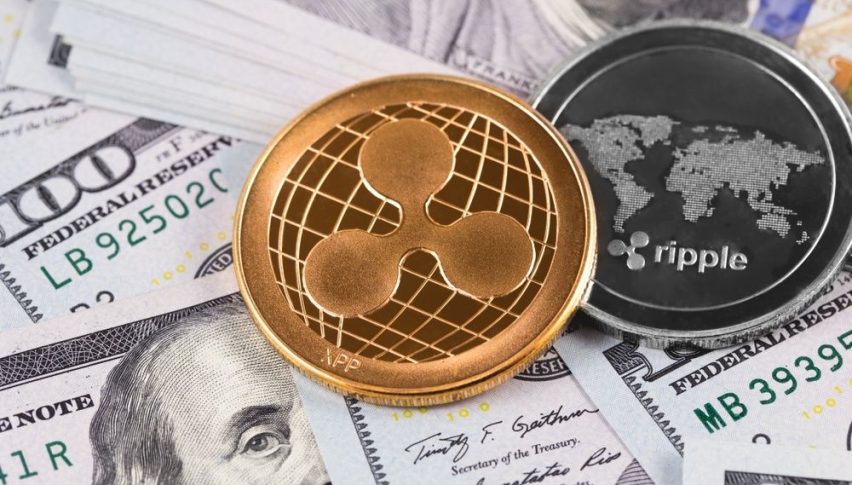
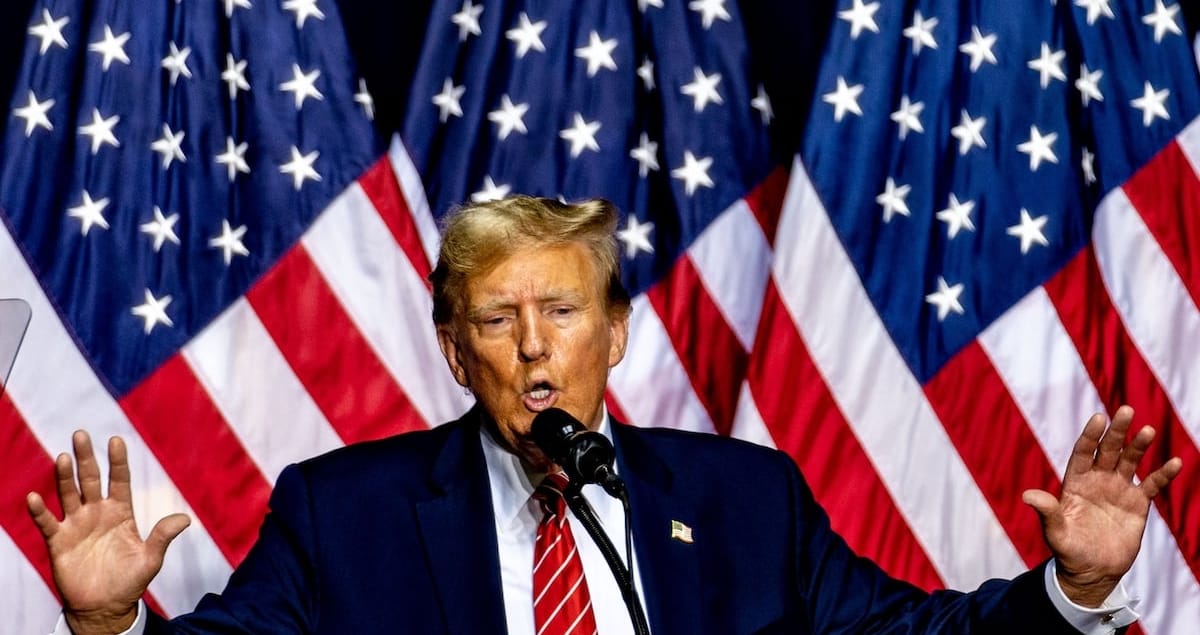
In a bold move that could significantly alter the global financial landscape, President Donald Trump has announced the creation of a strategic reserve that includes five key cryptocurrencies: Bitcoin (BTC), Ethereum (ETH), XRP, Solana (SOL), and Cardano (ADA). This initiative, revealed in a recent executive order, aims to position the United States as a leader in the burgeoning digital asset market, and its repercussions are already being felt across the financial spectrum.
Market Reactions and Valuation Impact
The announcement has spurred immediate volatility in cryptocurrency markets. Following President Trump's declaration, Bitcoin surged by over 20%, stabilizing around $80,000, while other cryptocurrencies also experienced substantial gains. This upward trajectory reflects renewed investor interest, suggesting that a U.S. government-backed reserve could enhance the legitimacy of cryptocurrencies and attract institutional investors, potentially leading to significant increases in overall market capitalization.
Market analysts are optimistic about the broader implications of this strategic reserve. "The establishment of a cryptocurrency reserve by a major government like the U.S. could serve as a catalyst for increased institutional adoption of digital assets," commented Ben Caselin, Head of Research at AAX, a cryptocurrency exchange. He further added that the reserve could help anchor the market during periods of volatility.
Regulatory Environment
With the establishment of a strategic reserve, regulatory frameworks surrounding cryptocurrencies are under scrutiny. Historically, the U.S. has maintained a cautious approach towards digital assets, but this shift signals a more favorable stance. This could lead to a ripple effect, pressuring other nations to adapt their regulations to remain competitive.
The European Union (EU), for instance, has already expressed concerns regarding the U.S. embrace of cryptocurrencies, fearing it could impact financial stability within the Eurozone. The EU's top officials, including Paschal Donohoe, indicated that "policy developments in other jurisdictions can have significant consequences for us here in Europe," during a recent news conference.
On the contrary, countries with stringent crypto regulations, such as Japan, are beginning to reconsider their approaches. Japan has recently classified crypto assets as financial products, aligning with global trends encouraging digital asset integration into mainstream finance. This regulatory shift in Japan could potentially enhance adoption and investment in the region, indicating an evolution in how governments perceive cryptocurrencies.
Global Implications
The establishment of a U.S. cryptocurrency reserve could provoke broader geopolitical implications. As nations reassess their regulatory landscapes in response to the U.S. initiative, we may witness a competitive environment in which countries vie to attract cryptocurrency businesses by offering favorable conditions. This competitive regulatory landscape could lead to a more fragmented global market but may also foster innovation as countries strive to create conducive environments for digital assets.
China, long viewed as a formidable player in the cryptocurrency space, may also feel the pressure to respond. With the U.S. positioning itself as the "crypto capital," analysts speculate that China may ramp up its cryptocurrency initiatives, particularly in developing its own digital yuan, to maintain its competitive edge.

Moreover, the implications for financial institutions and traditional banks are profound. Following the announcement, Morgan Stanley has indicated it is considering offering crypto trading on its ETrade platform, reflecting a shift that aligns with the growing acceptance of cryptocurrencies within mainstream finance.
Strategic Considerations for Investors
As the U.S. moves towards integrating cryptocurrencies into its financial fabric, investors should remain vigilant and adaptable. The establishment of a strategic reserve may lead to a new era of cryptocurrency integration into mainstream finance, but it also brings risks. Increased regulatory scrutiny and market volatility are potential side effects investors must consider.
Additionally, the rising prices of cryptocurrencies, coupled with potential government interventions in the market, may create both opportunities and challenges for investors. "This is a critical time for investors to evaluate their strategies in light of these developments," said Michael Saylor, CEO of MicroStrategy, a prominent Bitcoin advocate. "Understanding the evolving regulatory landscape will be key to navigating this new environment."
Conclusion
President Trump's announcement to create a strategic reserve of cryptocurrencies signals a seismic shift in how the U.S. perceives and engages with digital assets. This initiative not only enhances the legitimacy of cryptocurrencies but also sets the stage for a competitive global regulatory environment. As various nations adapt their approaches to remain relevant in the face of U.S. policy changes, the impact on cryptocurrency valuations and the broader financial landscape is likely to be significant.
Investors should closely monitor these developments, as they herald a new chapter in the integration of cryptocurrencies into the mainstream financial ecosystem. Understanding the interconnectedness of regulatory frameworks, market trends, and geopolitical dynamics will be essential for making informed investment decisions in this rapidly evolving landscape.