The Impact of U.S. Dollar Weakness on Global Forex Markets
The U.S. dollar, a cornerstone of international finance, has recently encountered significant depreciation, marking its position as the worst-performing major currency in 2025. This decline is underlined by the Dollar Index (DXY) plummeting below 100, a psychological and technical threshold that signals a substantial shift in market dynamics. As of May 5, 2025, the dollar has lost over 10% of its value since January, driven by macroeconomic instability and escalating geopolitical tensions, prompting a notable transformation in trading strategies among global investors.
Current Market Dynamics
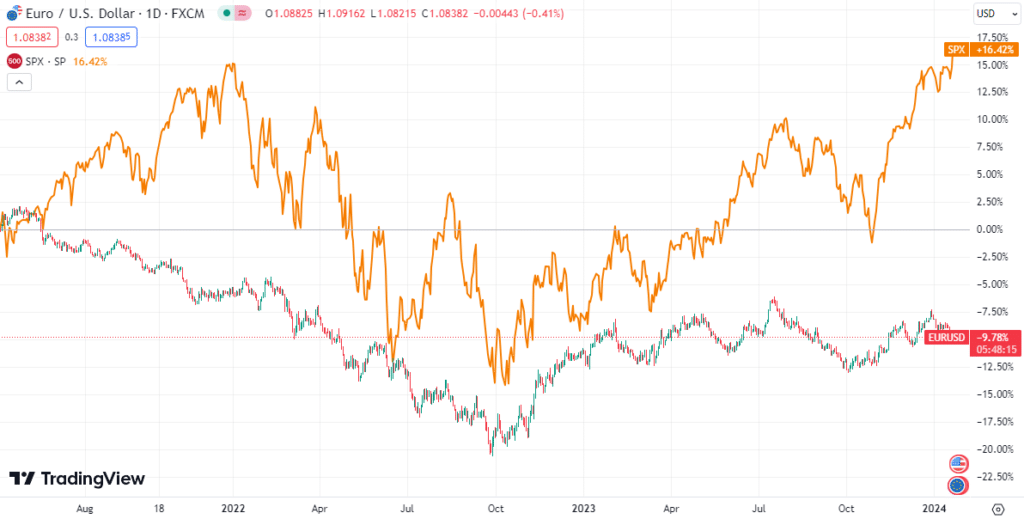
The challenges facing the U.S. dollar are multifaceted. Economic indicators, such as a 1.2% contraction in GDP and inflationary pressures, have spurred concerns regarding the dollar's long-term stability. In response to these macroeconomic events, institutional FX trading volumes surged by 13% in April, indicating that traders are actively seeking refuge in more stable currencies. This behavioral shift is particularly pronounced in the Eurozone, where the euro has gained strength against the dollar, with the EUR/USD pair currently trading at approximately 1.1347.

Major Currency Pairs to Watch
Investors are advised to keep a close eye on several key currency pairs that are currently reflecting the dollar's volatility:
-
EUR/USD: As the most traded currency pair globally, its movements are critical. The strengthening euro is viewed as a potential breakout opportunity, particularly as European economic indicators show signs of improvement.
-
USD/JPY: The Japanese yen has emerged as a safe haven in light of the dollar's decline. This pair is sensitive to interest rate differentials, which the Federal Reserve and Bank of Japan set. Increased demand for yen reflects a flight to safety.
-
USD/CHF: The Swiss franc continues to demonstrate resilience, becoming one of the most stable currencies amidst the dollar's volatility. Market participants often view the franc as a protective asset during uncertain times.

Strategic Considerations for Investors
Given the dollar's ongoing weakness, investors should reassess their trading strategies, focusing on several key considerations:
-
Diversification: Expanding exposure to currencies poised to appreciate against the dollar is vital. Currency pairs such as EUR/USD and USD/CHF should be integral to any diversified Forex portfolio.
-
Hedging: Utilizing options and futures can be an effective strategy to hedge against further declines in the dollar. Protective measures can mitigate risks associated with adverse market movements.
-
Monitoring Economic Indicators: Staying informed on economic data releases—such as employment figures, inflation rates, and central bank decisions—is crucial for making informed trading decisions. Such metrics have direct implications for currency valuations and market sentiment.
Conclusion
The sustained weakness of the U.S. dollar presents a complex landscape for Forex traders, characterized by both challenges and opportunities. The shifting dynamics necessitate adaptability and strategic foresight. By staying informed and responsive to market fluctuations, investors can navigate these turbulent waters effectively and capitalize on emerging trends.
For more detailed market analysis and updates, resources such as FXStreet and TradingView provide valuable insights into market movements and trading strategies.

In summary, as the dollar continues its downward trajectory, the ability to adjust trading strategies and maintain a diversified portfolio will be imperative for investors seeking to thrive in the global Forex markets.