
Navigating the Surge in Agricultural Commodity Prices Amid Climate Challenges
In early May 2025, the agricultural sector faces unprecedented challenges as commodity prices, particularly wheat, corn, and soybeans, surge amid adverse weather conditions and recovering global demand. The volatility in these markets reflects a broader narrative of climate change's impact on agriculture, with farmers and investors alike feeling the pressure of shifting weather patterns and economic recovery efforts post-pandemic. This article delves deeply into the current state of agricultural commodities, exploring significant price movements, the effects of climate change, and investment strategies that could benefit stakeholders.
Current Market Dynamics
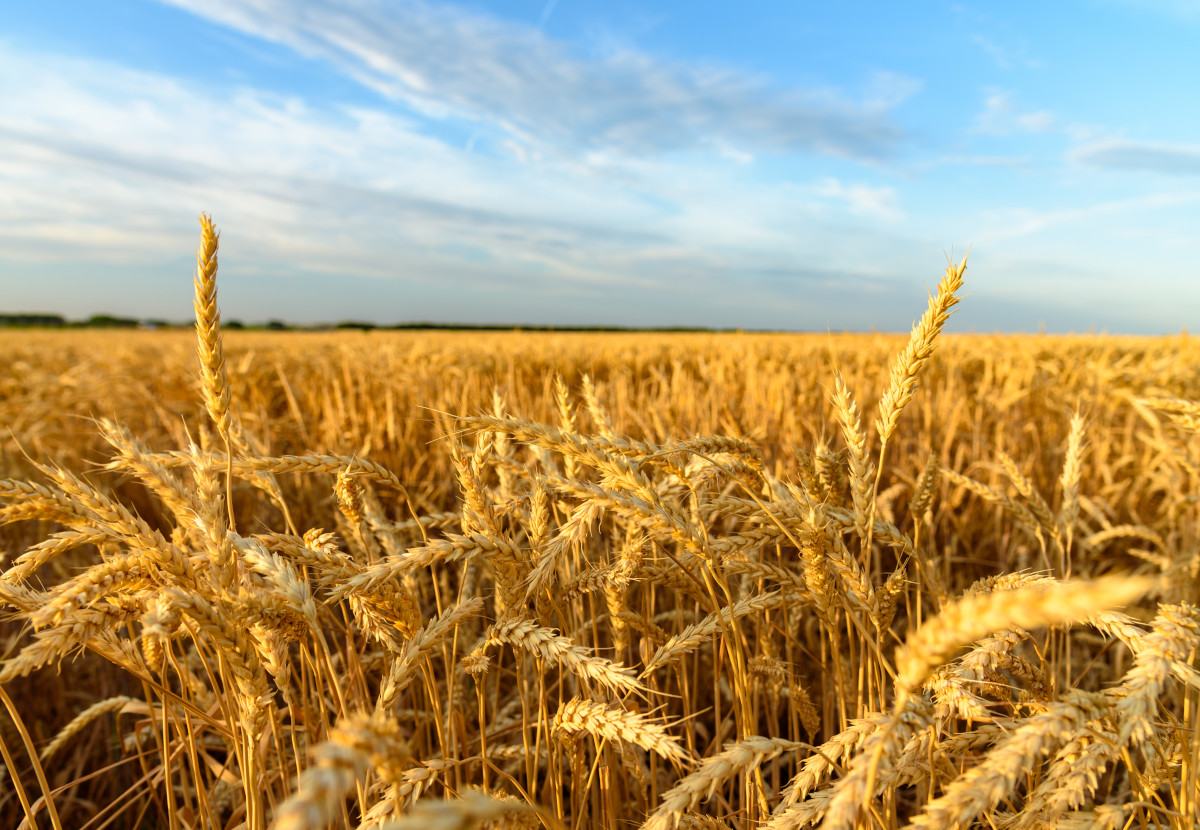
Recent data indicates that wheat prices have surged approximately 10% over the past month, fueled by various weather-related disruptions. For instance, the North-Central United States has reported wide open planting windows, yet localized adverse weather has resulted in uneven planting and reduced anticipated yields. According to DTN, the variability of weather patterns has made it challenging for farmers to predict planting and harvesting schedules, exacerbating supply concerns.
Corn has likewise seen upward pressure, trading around $5.80 per bushel, while soybeans are priced at approximately $14.50 per bushel. Analysts attribute these increases to heightened demand from both domestic consumers and recovering international markets, particularly in Asia. The implications of these surging prices are significant, affecting not only farmers' profit margins but also the broader food supply chain.
Climate Impact and Future Outlook
The relationship between climate change and agricultural productivity is becoming more pronounced. Farmers are grappling with the realities of unpredictable weather patterns that hinder optimal planting and harvesting conditions. Recent reports from agricultural meteorologists suggest that the upcoming months will be critical. Any continued adverse weather could further exacerbate supply shortages, driving prices even higher.
A report by AgWeb highlights that climate variability could lead to lower yields for key crops, thus creating a tight supply scenario that drives prices upward. "Farmers are facing challenges that weren't as prevalent in previous generations,” said John Smith, an agricultural economist. "The unpredictability of climate patterns means that every season can bring new hurdles, and this is reflected in market prices."
Investment Considerations
For investors, the current volatility in agricultural commodities presents both risks and opportunities. Diversifying investment portfolios to include agricultural assets can be a prudent strategy, especially as global food demand continues to rise. According to historical trends, commodities often serve as a hedge against inflation, making them appealing in times of economic uncertainty.
Investors should also closely monitor weather patterns and relevant government policies affecting agriculture. For example, the USDA's Economic Research Service regularly updates statistics on crop forecasts and pricing trends, which can provide valuable insights. "Understanding the nuances of the agricultural market is crucial for investors," stated Sandra Lee, a commodities analyst at Barchart. "Keeping an eye on climate reports and agricultural adjustments can inform better investment decisions."
Conclusion
As the agricultural sector navigates through these turbulent times, stakeholders must remain vigilant and adaptable. The interplay between climate factors and market dynamics will be fundamental in determining the future of agricultural commodity prices. By remaining informed and strategically diversifying investments, farmers and investors can better capitalize on potential opportunities while effectively managing risks.
In this landscape of uncertainty, one thing is clear: the agricultural market will continue to adapt, influenced by climate challenges and global economic shifts. As the world collectively seeks solutions to sustain food production in an era of climate change, the role of agriculture will remain pivotal in ensuring food security and market stability.
References
As stakeholders adapt to these evolving circumstances, their resilience and insight will be key in navigating the complexities of agricultural commodity markets amid the ongoing challenges posed by climate change.