
Surging Agricultural Commodity Prices: Navigating the Impact of Climate Change
In recent weeks, the agricultural sector has witnessed sharp increases in commodity prices, influencing both farmers and investors alike. With wheat prices surging by 10%, corn trading at $5.80 per bushel, and soybeans reaching $14.50, these movements are largely driven by adverse weather conditions affecting crop yields and a rebound in global demand as economies emerge from pandemic-induced constraints. This article delves into the current trends within key agricultural commodities and provides insights for investors looking to navigate this volatile market.
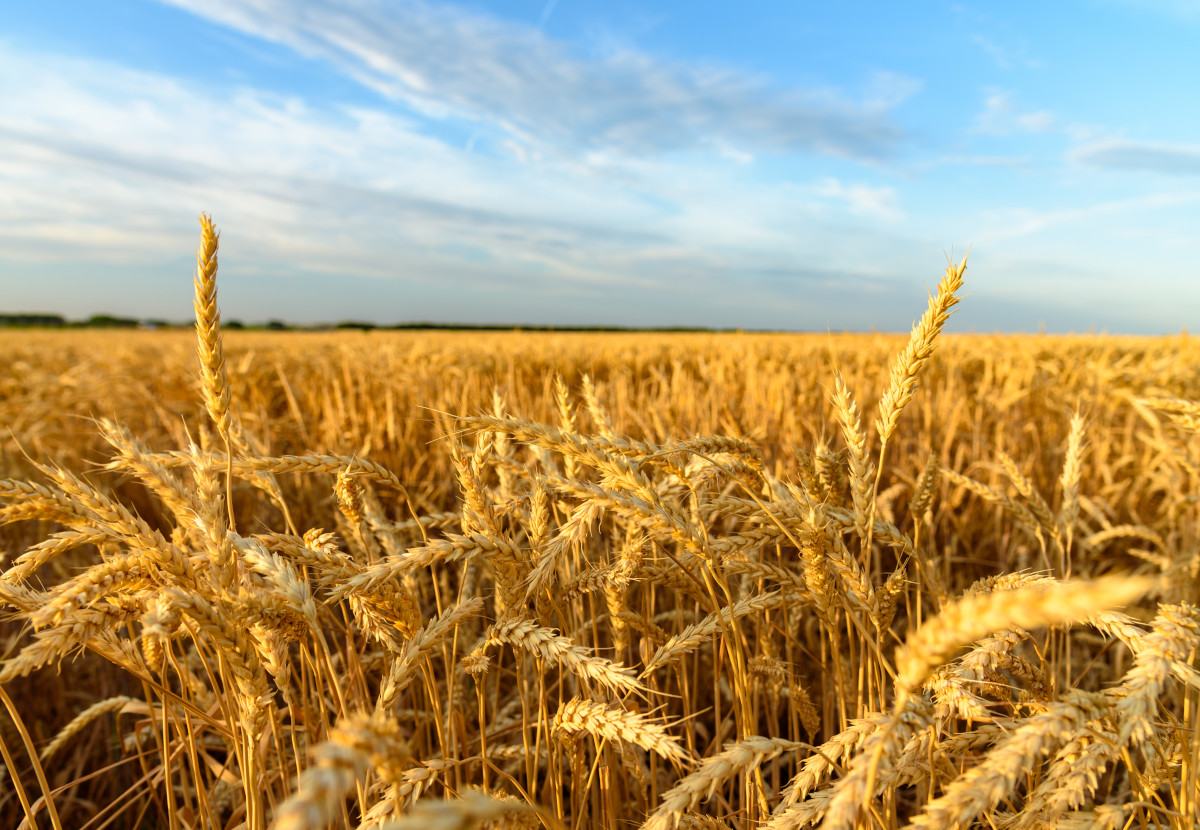
Current Market Dynamics
The agricultural sector is currently facing unprecedented challenges stemming from climate change. Erratic weather patterns, including severe droughts in traditionally fertile regions, have drastically impacted crop production. For example, the U.S. Midwest, known as the nation's breadbasket, has experienced fluctuating rainfall and increased temperatures, leading to reduced yields and contributing to the price surges in key commodities. According to the U.S. Department of Agriculture (USDA), adverse weather conditions have exacerbated supply constraints, prompting significant price fluctuations across various agricultural products.
Key Price Movements
- Wheat: Recently up 10%, primarily driven by supply concerns linked to drought conditions that have reduced yields in major wheat-producing states like Kansas and North Dakota.
- Corn: Currently priced at $5.80 per bushel, reflecting strong domestic and international demand, particularly from livestock feed sectors and biofuel production.
- Soybeans: Trading at $14.50 per bushel, influenced by both domestic market pressures and increasing global demand, particularly from China as it rebounds from its economic slowdown.
Investor Insights
As agricultural commodity prices continue to soar, investors must remain alert and strategic. The current landscape presents both challenges and opportunities, necessitating a thoughtful approach to investment. Here are some actionable insights for investors:
-
Diversification: It is advisable for investors to consider diversifying their portfolios to include a mix of agricultural commodities. This mitigates risks associated with price fluctuations in individual commodities, especially during periods of volatility.
-
Monitoring Weather Patterns: Keeping a close eye on weather forecasts and agricultural reports is critical. Insights into potential drought conditions or adverse weather can provide investors with critical information on probable price movements.
-
Long-term Trends: While short-term volatility can be daunting, understanding the long-term trends in agricultural demand is essential. Global population growth and rising incomes in developing nations will likely sustain demand for agricultural products over the coming years.
-
Utilizing Futures Contracts: Investors may consider leveraging futures contracts to hedge against potential price declines. By locking in prices in advance, producers and investors can protect themselves against unforeseen market shifts.
The Role of Climate Change
The interplay between climate change and agricultural production cannot be understated. According to a report from the Intergovernmental Panel on Climate Change (IPCC), changing climatic conditions will continue to pose significant risks to agricultural productivity globally. The increasing frequency of extreme weather events, such as floods and droughts, is expected to further strain supply chains and influence market dynamics.
Farmers are adapting their strategies, investing in resilient crop varieties and advanced irrigation techniques to cope with these challenges. For example, sustainable agricultural practices, including crop rotation and reduced tillage, can help mitigate the impacts of climate variability. Investors interested in the agricultural sector should consider supporting initiatives that focus on sustainability to align with future market trends.
Conclusion
As agricultural commodity prices continue to rise due to climate challenges and recovering demand, investors must remain vigilant and adaptable. By leveraging market insights and monitoring key indicators, they can navigate this complex landscape effectively. The increasing volatility in agricultural markets presents both risks and opportunities, and strategic planning will be essential for those looking to invest in this sector.

With the right strategies in place, investors can successfully maneuver through the complexities of the agricultural commodity markets, positioning themselves to benefit from future growth while also playing a role in addressing the pressing challenges posed by climate change.
For more detailed agricultural market insights, resources such as AgWeb and the Wall Street Journal offer updated commodity prices and trading data that can aid investors in their decision-making processes.
