The Decline of the U.S. Dollar: Implications for Global Forex Markets
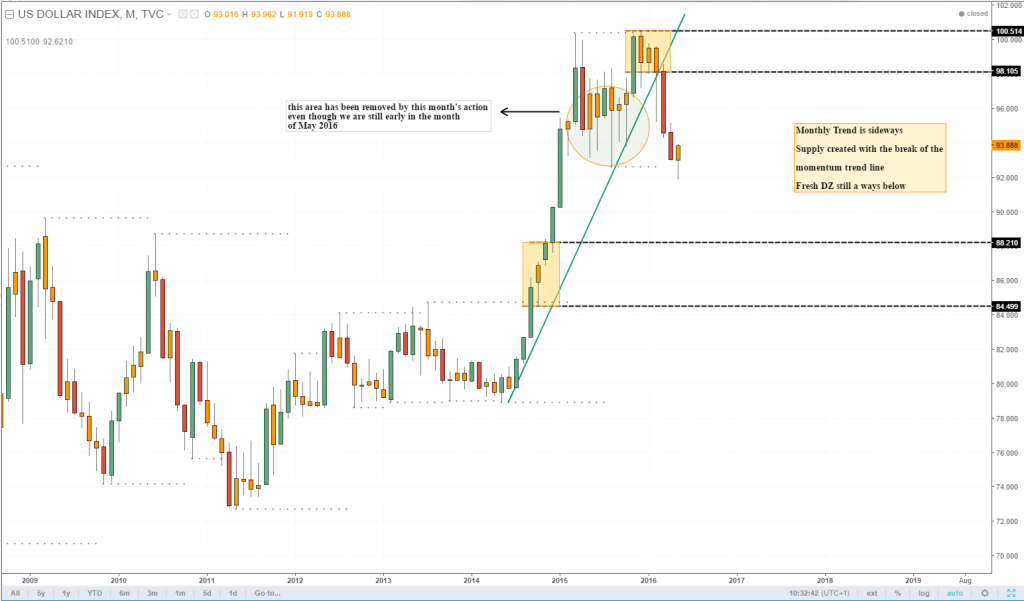
The U.S. dollar is experiencing a significant downturn, having declined by 10% since January 2025, marking it as the worst-performing major currency of the year. With the Dollar Index (DXY) now hovering below 100, this depreciation is not merely a fleeting event; it reflects underlying economic and geopolitical tensions that are reshaping global trading strategies and investor sentiment. As institutional investors recalibrate their approaches, understanding the factors contributing to this decline and its implications for major currency pairs like EUR/USD and GBP/USD becomes essential.

Key Factors Behind the Dollar's Decline
-
Economic Contraction: The U.S. economy has recently contracted by 1.2%, signaling potential instability that has eroded confidence in the dollar. This dip in GDP suggests that the economic growth trajectory is faltering, prompting investors to reassess their positions in favor of more stable currencies.
-
Geopolitical Tensions: Heightened geopolitical risks, particularly surrounding international trade and security, have led investors to seek refuge in safer assets. This shift in sentiment further exacerbates the dollar's decline as capital flows away from the U.S. currency, prompting an increase in demand for alternatives such as the euro and yen.
-
Increased Trading Volumes: In response to the dollar's decline, institutional FX trading volumes surged by 13% in April 2025. This spike underscores a proactive approach by investors aiming to leverage market volatility. With higher trading volumes, liquidity increases, facilitating more dynamic market conditions and creating opportunities for strategic positioning.
Impact on Major Currency Pairs
The dollar's depreciation has led to notable movements in key currency pairs, which illustrate the broader implications for global forex markets:
EUR/USD
The euro has gained significant ground against the dollar, reflecting a shift in investor sentiment towards the Eurozone. As the euro strengthens, it not only signifies a shift in economic dynamics but also poses challenges for U.S. exporters as their products become more expensive in comparison. The current exchange rate reflects a market that is increasingly confident in the Eurozone's economic stability, contrasting the uncertainties facing the U.S.

GBP/USD
Similarly, the British pound has also benefited from the dollar's weakness, resulting in increased volatility within the GBP/USD pair. This currency movement can be attributed to the UK's relative economic stability and the potential for interest rate hikes by the Bank of England, which may attract further investment. As the pound appreciates, British exports could face challenges, necessitating strategic adjustments by UK businesses operating in global markets.
Conclusion
As the dollar's decline continues to reshape the forex landscape, investors must remain vigilant and adaptable. The interplay between economic indicators and geopolitical developments will be crucial for informed trading decisions moving forward. By carefully monitoring these factors, traders can better navigate the complexities of the forex market, allowing them to capitalize on opportunities presented by the ongoing volatility.
Investors should continuously assess their exposure to currency fluctuations and consider diversifying their portfolios to mitigate risks. The current dynamics not only highlight the vulnerabilities of the dollar but also underscore the importance of strategic planning in an increasingly interconnected global market.
For further updates and insights on currency trading, visit MoneyControl and FX Empire.
