The Impact of Regulatory Changes on Cryptocurrency Valuations
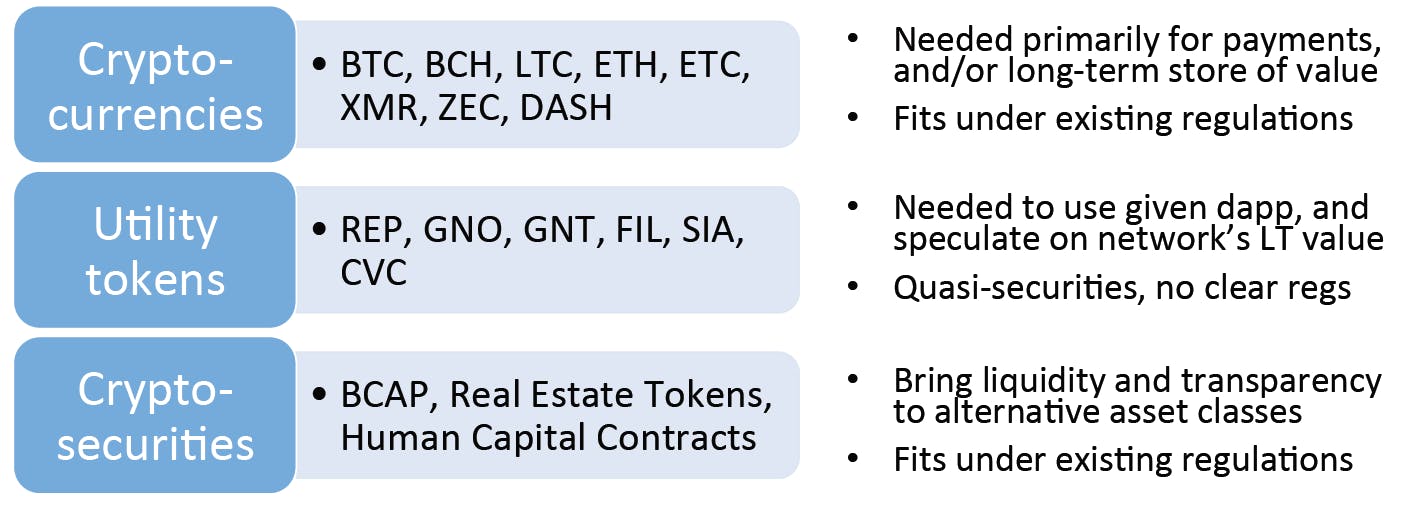
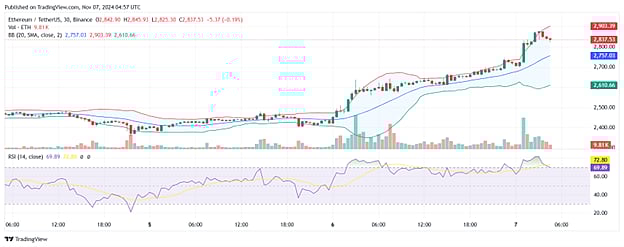
In a climate of increasing regulatory acceptance, the cryptocurrency market has experienced a notable surge in valuations, particularly for Bitcoin and Ethereum. As of May 2025, Bitcoin (BTC) is trading at approximately $45,000, while Ethereum (ETH) sits around $1,500. This upward momentum reflects heightened institutional interest, spurred by regulatory shifts in the United States that have fostered a more welcoming environment for digital assets.
Regulatory Landscape: A Turning Point
The evolving regulatory framework in the U.S. has significantly impacted how investors perceive cryptocurrencies. In recent months, U.S. federal banking regulators have relaxed restrictions, allowing banks greater flexibility to engage with digital currencies. Analysts argue that this change is instrumental in increasing both liquidity and stability in the cryptocurrency market.
"Regulatory clarity is essential for institutional investors," says Dr. Jessica Tan, a financial analyst specializing in digital assets. "As we see more favorable regulations, we can expect a surge in institutional investment, which historically has been a driving force behind price increases."
Market Response
The positive sentiment surrounding regulatory developments has led to increased adoption of cryptocurrencies. As institutions become more involved, the historical price disparities between Bitcoin and Ethereum are narrowing. Bitcoin, which maintains its status as the most valuable cryptocurrency, continues to attract significant investments, while Ethereum, known for its utility in decentralized finance (DeFi), is gaining traction as an accessible alternative.

The Role of Institutional Investors
According to data from Statista, Bitcoin and Ethereum remain the top two cryptocurrencies based on market capitalization, commanding significant shares of the overall cryptocurrency market. The recent influx of institutional capital has played a crucial role in stabilizing market valuations, as large-scale investors typically bring more credibility and legitimacy to the asset class.
As regulatory clarity improves, large investment firms are likely to increase their exposure to cryptocurrencies. "We're witnessing a paradigm shift as institutional players realize the potential of cryptocurrencies as a hedge against inflation and a diversifying asset class," states Robert Chen, an investment strategist at Global Capital Advisors.
Future Implications
Investors should remain vigilant and closely monitor ongoing regulatory developments. The interplay between regulation and market performance is critical, as future decisions made by regulatory bodies can have immediate effects on valuations. With cryptocurrencies increasingly becoming integrated into traditional financial systems, the potential for growth is immense.
"Staying informed about legislative changes is paramount for investors in this space," emphasizes Tan. "Future regulations could either bolster market confidence or introduce new challenges."
Conclusion
In conclusion, the regulatory environment in the U.S. is transforming, with significant implications for cryptocurrency valuations. As Bitcoin and Ethereum continue to thrive in this new landscape, investors are encouraged to stay abreast of relevant developments to navigate the complexities of cryptocurrency investments effectively.
The volatile nature of this market demands not just awareness but strategic foresight. With the prospect of further regulatory advancements, the cryptocurrency market could witness unprecedented growth, making it a critical focus for both individual and institutional investors.
For additional insights on cryptocurrency valuations and ongoing regulatory changes, resources can be found at Statista and South China Morning Post.