
Analyzing the Impact of U.K. Sanctions on Russian Oil Trading
The recent imposition of U.K. sanctions targeting key players in Russian oil trading has stirred significant discussion within the global commodities market. As geopolitical tensions escalate and energy supply chains become increasingly strained, understanding the ramifications of these sanctions is crucial for investors and market analysts alike.
Market Overview
As of May 9, 2025, Brent crude oil prices have seen a modest increase of 1.1%, reaching $63.52 per barrel. This uptick reflects market reactions to the sanctions and the ongoing volatility in oil supply chains. The U.K. sanctions specifically target oligarchs and corporations integral to the Russian oil industry, aiming to diminish Russia's economic leverage through its energy exports.
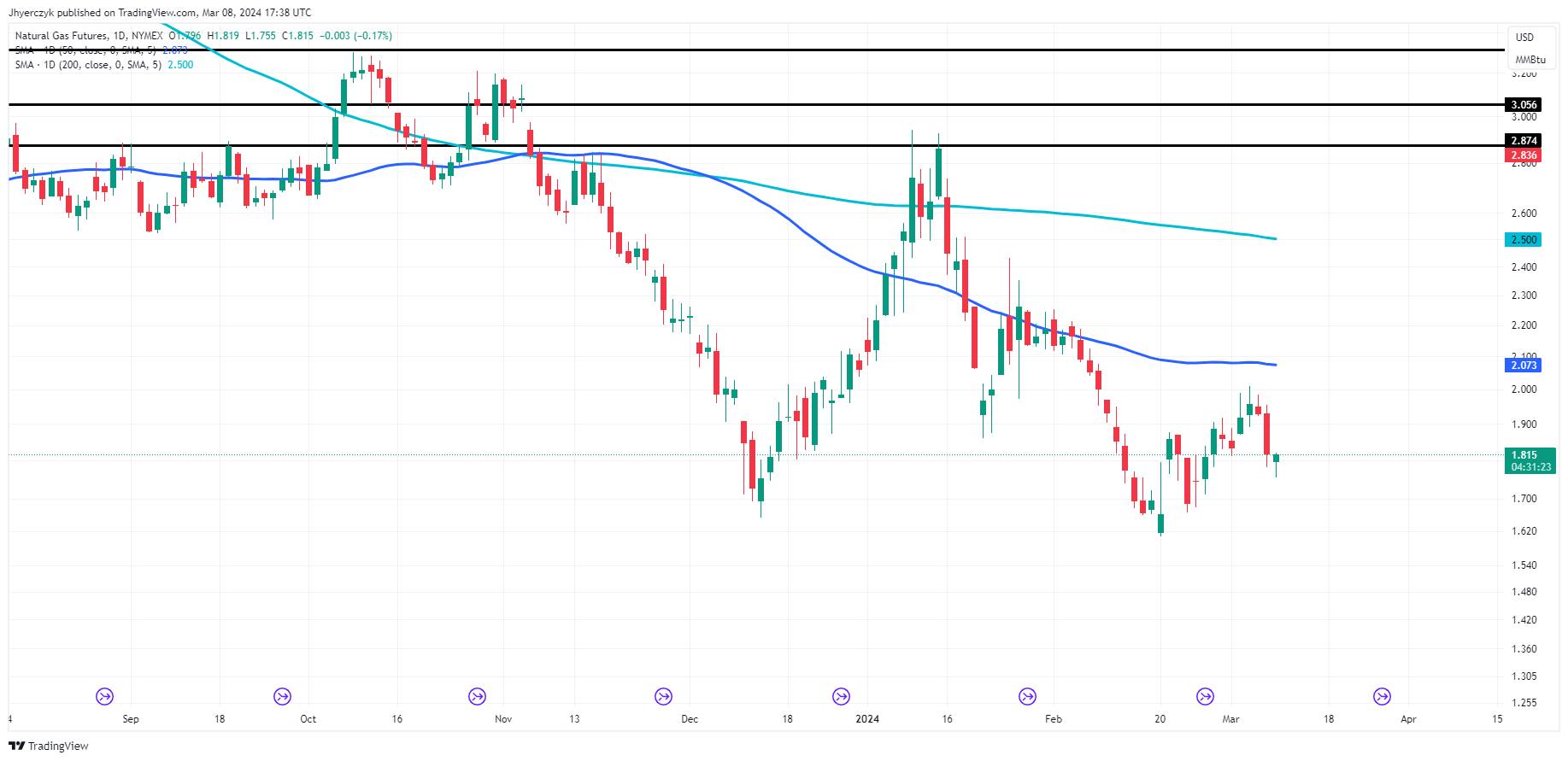
This price increase, while nominal, underscores a broader trend of rising oil prices due to supply disruptions. The sanctions are anticipated to tighten the availability of Russian oil, further complicating the already volatile energy market.
Implications for Global Oil Markets
Experts predict that these sanctions will exacerbate existing supply constraints in the oil market. Countries heavily reliant on Russian oil, such as several European nations, will need to pivot towards alternative suppliers, which may include the United States and oil-rich nations in the Middle East like Saudi Arabia and the UAE.
According to Morningstar, analysts are forecasting a potential increase in oil prices as demand shifts. This is particularly relevant for nations that have historically depended on Russian energy exports. The pivot may not only affect short-term supply contracts but could also lead to long-term changes in energy procurement strategies.
Shifting Trade Dynamics
The sanctions may lead to a reevaluation of long-term contracts and pricing strategies across the industry. Countries like India and China, which have been purchasing Russian oil at reduced prices, might find themselves navigating a more competitive landscape. The potential for increased costs could impact their domestic energy prices and fuel economic inflation, which is already a concern for many countries recovering from the COVID-19 pandemic.
Investor Strategies
In this climate of uncertainty, investors must adopt strategic measures to navigate the complexities of the oil market. Diversification is essential; investors should consider reallocating portions of their portfolios to less volatile assets or sectors not as affected by geopolitical tensions.
Additionally, the rise of renewable energy sources continues to present an attractive investment opportunity. As countries aim to reduce their reliance on fossil fuels, sectors focused on solar, wind, and other renewables may offer a hedge against the uncertainties inherent in fossil fuel markets.

Investors are advised to keep a close watch on geopolitical developments as they can rapidly alter market conditions. Staying informed on trade agreements, government regulations, and international relations will be crucial in making informed investment decisions.
Conclusion
The U.K. sanctions on Russian oil trading represent a significant development in the commodities landscape. As the situation evolves, the tightening of oil supplies from Russia is likely to play a crucial role in driving prices higher. Consequently, investors must remain vigilant and adaptable to navigate this complex environment.
In summary, the interplay between geopolitical dynamics and market responses will shape the future of oil trading and investment strategies moving forward. As always, a diversified and well-informed approach will serve as a valuable strategy for investors seeking to mitigate risks and capitalize on opportunities within the commodities market.
References
In the evolving narrative of global energy, the impact of sanctions, market movements, and evolving investor strategies will be critical to watch in the coming months.