The Impact of U.K. Sanctions on Global Oil Markets: A Comprehensive Analysis
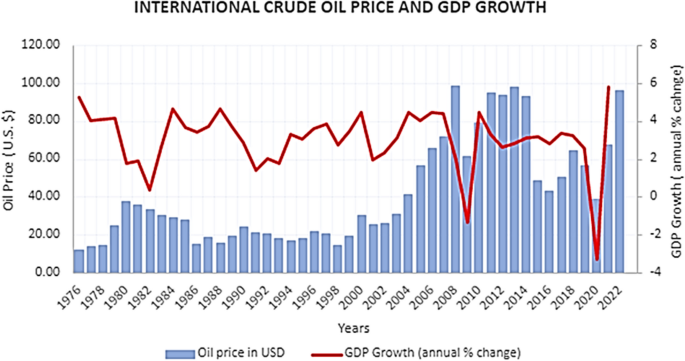
As of May 11, 2025, the geopolitical landscape surrounding oil markets has shifted significantly due to the U.K.'s recent sanctions on Russian oil traders. This move, prompted by ongoing tensions in Eastern Europe, has led to a notable increase in Brent crude prices, which rose by 1.1% to $63.52 per barrel. The implications of these sanctions are expected to reverberate throughout the global oil market, influencing supply chains and pricing structures amid a backdrop of heightened energy security concerns.

Key Developments
-
Brent Crude Price Increase: Following the sanctions, Brent crude prices have demonstrated resilience. Analysts suggest that this price spike is indicative of market adjustments to the new supply constraints imposed by the U.K. government's actions. The sanctions are designed to penalize Russia for its geopolitical maneuvers and are part of a broader effort by Western nations to limit the economic capabilities of the Kremlin.
-
U.S. Export Opportunities: The sanctions are likely to create significant opportunities for U.S. crude oil exports, with projections suggesting that exports could reach 5 million barrels per day by the end of 2025. This shift may enhance the U.S.'s position in the global energy market, as European nations increasingly seek alternative suppliers to mitigate their dependence on Russian oil.
Market Implications
The sanctions are expected to catalyze a series of shifts within the oil market, notably accelerating investments in renewable energy. As countries aim to enhance their energy security and reduce reliance on Russian oil, the competition for alternative suppliers is expected to intensify. Countries such as the U.S. and those in the Middle East may see increased demand, which could alter existing dynamics in the global oil trade.
Moreover, the ongoing search for alternative suppliers may initially drive up prices for certain crude oils, particularly those from regions positioned as viable replacements for Russian oil. Analysts anticipate a restructuring of global supply chains, with countries taking a more proactive approach to energy policy.
A Broader Context
In the broader context of energy markets, this development underscores the interplay between geopolitics and energy dependence. Countries reliant on Russian oil will need to reassess their energy strategies and potentially explore investments in domestic and alternative energy sources.
For instance, the European Union (EU) has been under pressure to diversify its energy portfolio, especially given its historical dependence on Russian energy resources. Analysts believe that this geopolitical shift may accelerate the EU's push toward renewable energy initiatives, as evidenced by recent investments in wind and solar technologies.
Conclusion
As the situation develops, stakeholders in the oil market must remain vigilant. The interplay between geopolitical events and market responses will be crucial in shaping the future of global oil trade. Investors should consider diversifying their portfolios to mitigate risks associated with these geopolitical tensions while capitalizing on emerging opportunities in the energy sector.
In summary, the U.K.'s sanctions on Russian oil traders represent not just a punitive measure but a significant reconfiguration of the global oil market landscape. With U.S. exports poised to surge and European nations scrambling for alternatives, the coming years may redefine traditional energy relationships and accelerate the transition towards more sustainable energy solutions.
For further insights and developments, you can follow resources on Reuters Energy News and Bloomberg Energy.