
The Rise of Cryptocurrency Custody Services: Implications for Financial Institutions
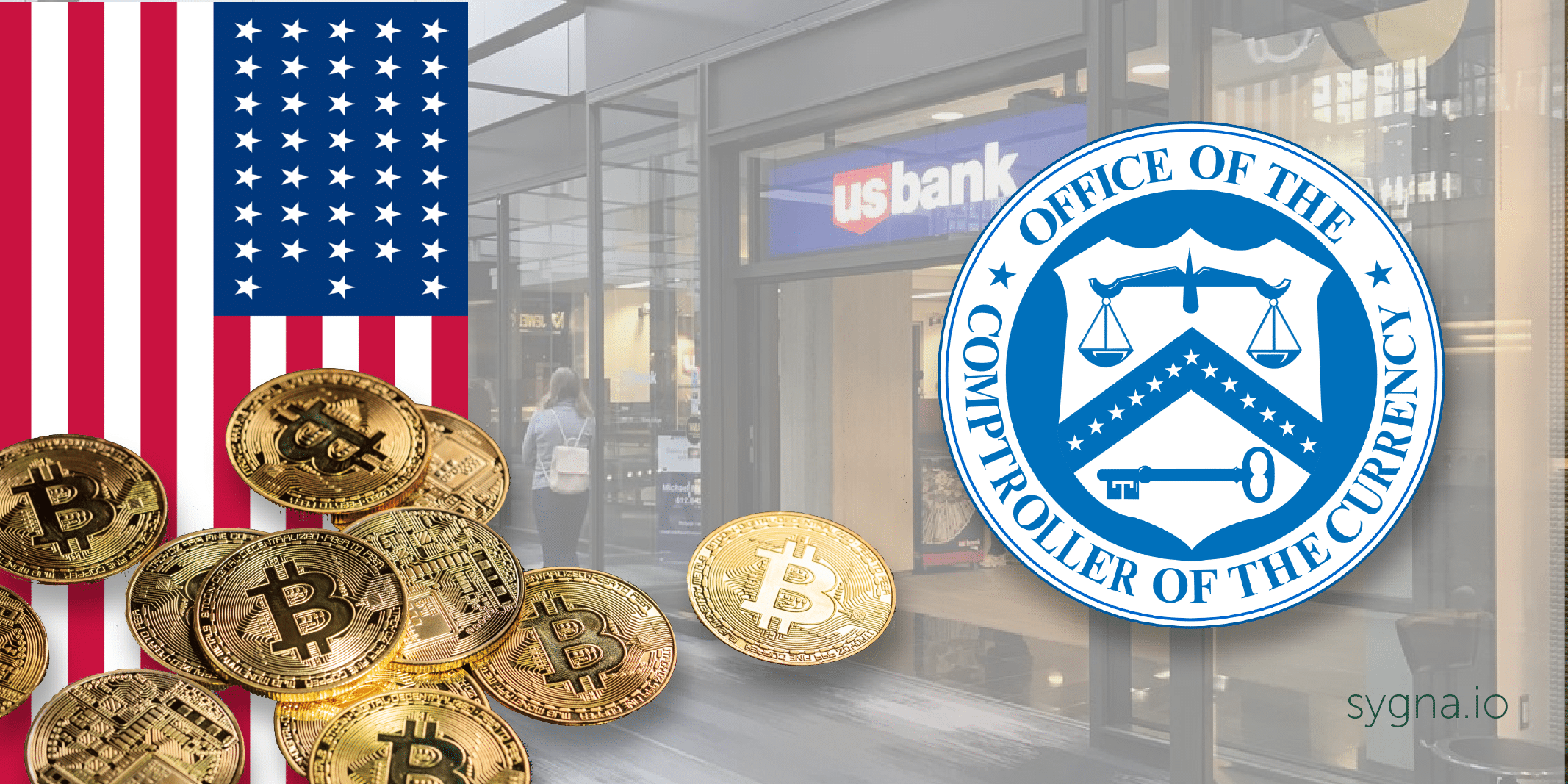
In a major regulatory pivot, the Office of the Comptroller of the Currency (OCC) has granted U.S. banks permission to offer cryptocurrency custody and management services. As financial institutions progressively adapt to the dynamics of digital assets, this move is expected to reshape the landscape of both banking and cryptocurrency markets. The developments signify a robust endorsement from regulators, potentially enhancing the credibility of cryptocurrencies among traditional investors.

Regulatory Landscape
The OCC's recent decision allows eligible banks to engage in cryptocurrency activities, including offering custody and execution services through third-party sub-custodians. This marks a pivotal shift from the prior regulatory stance, which often discouraged traditional banks from delving into the cryptocurrency sector due to the inherent risks and volatility associated with such digital assets.
With this new regulatory framework, banks will be tasked with implementing comprehensive risk management protocols to mitigate potential risks tied to digital asset custody. According to Acting Comptroller Rodney Hood, this is an essential step towards integrating cryptocurrencies into the fabric of traditional finance, providing necessary protections for both banks and consumers.
Market Impact
The implications of this regulatory change are significant. Enhanced custody services provided by banks are expected to bolster the legitimacy of cryptocurrencies, thereby attracting institutional investors who have largely been reticent due to concerns about security and regulatory clarity.
A survey by Fidelity Digital Assets highlighted that 70% of institutional investors view custodial services as a crucial component for investing in digital assets, citing security as a primary concern. As banks enter the fray, their established security measures and regulatory compliance frameworks could assuage these concerns, thereby driving further institutional adoption of cryptocurrencies.
The move is also anticipated to catalyze the growth of the cryptocurrency market, which has already seen a resurgence in pricing with Bitcoin hovering around $103,890 as of early May 2025. The total market capitalization for cryptocurrencies is reported to fluctuate between $3.33 trillion and $3.49 trillion, showcasing a recovery from previous downturns.
Future Prospects
Looking ahead, the establishment of a Crypto Task Force under the Trump administration aims to draft comprehensive rules that could further streamline the integration of cryptocurrencies into mainstream financial systems. This initiative aligns with President Trump's objective to position the U.S. as a global leader in digital assets.
The Crypto Task Force is expected to address various aspects of cryptocurrency regulation, including investor protection, security protocols, and potential tax implications. Moreover, as more banks begin to offer digital asset services, competition may drive innovation, leading to the introduction of new financial products that leverage cryptocurrencies.
Institutional Adoption
As financial institutions adapt to the burgeoning cryptocurrency landscape, the need for robust custodial services becomes increasingly apparent. A report from the Bank of New York Mellon emphasizes that 88% of institutional investors plan to use digital assets in the next three to five years, highlighting a paradigm shift in investment strategies.
"Custody services are not just a trend but an essential requirement for institutions looking to diversify their portfolios," said John Davi, CEO and chief investment officer of Astoria Advisors. His comments reflect a growing sentiment among financial experts who believe that as banks foster greater familiarity with digital assets, the potential for increased participation from both retail and institutional investors will rise significantly.
Challenges Ahead
While the regulatory clarity offered by the OCC is a positive step, challenges remain. Banks must navigate the complexities of risk management associated with cryptocurrencies, including the volatility of asset prices and potential cybersecurity threats. Notably, 2024 observed over $2 billion in crypto-related losses attributed to hacking incidents, underscoring the necessity for stringent security measures.
Industry leaders, such as Jimmy Su, Binance's Chief Security Officer, recommend a multilayered defense strategy encompassing continuous security audits and advanced authentication methods. "Building a robust security program is paramount, especially as we see more institutions entering the crypto space," Su noted.
Additionally, regulatory compliance remains an evolving challenge. Financial institutions will need to stay abreast of ongoing legislative developments and adapt their operations accordingly to meet evolving standards.
Conclusion
The expansion of cryptocurrency custody services by U.S. banks marks a critical juncture in the integration of digital assets into the financial mainstream. As regulatory clarity unfolds and traditional institutions embrace cryptocurrencies, the potential for growth within the sector is substantial. The rise of custodial services is not only a response to market demand but a necessary evolution for enhancing investor confidence in digital assets.
As the cryptocurrency landscape continues to mature, financial institutions are poised to play a pivotal role in shaping its future, fostering innovation and participation while addressing the challenges that lie ahead. In this rapidly changing environment, stakeholders must remain agile and informed, capitalizing on opportunities while navigating the complexities of an increasingly digital financial ecosystem.
For further details and insights on this evolving landscape, you can visit Gadgets 360, MarketWatch, and Investing.com.