Analyzing the Impact of U.S. Dollar Weakness on Global Forex Strategies
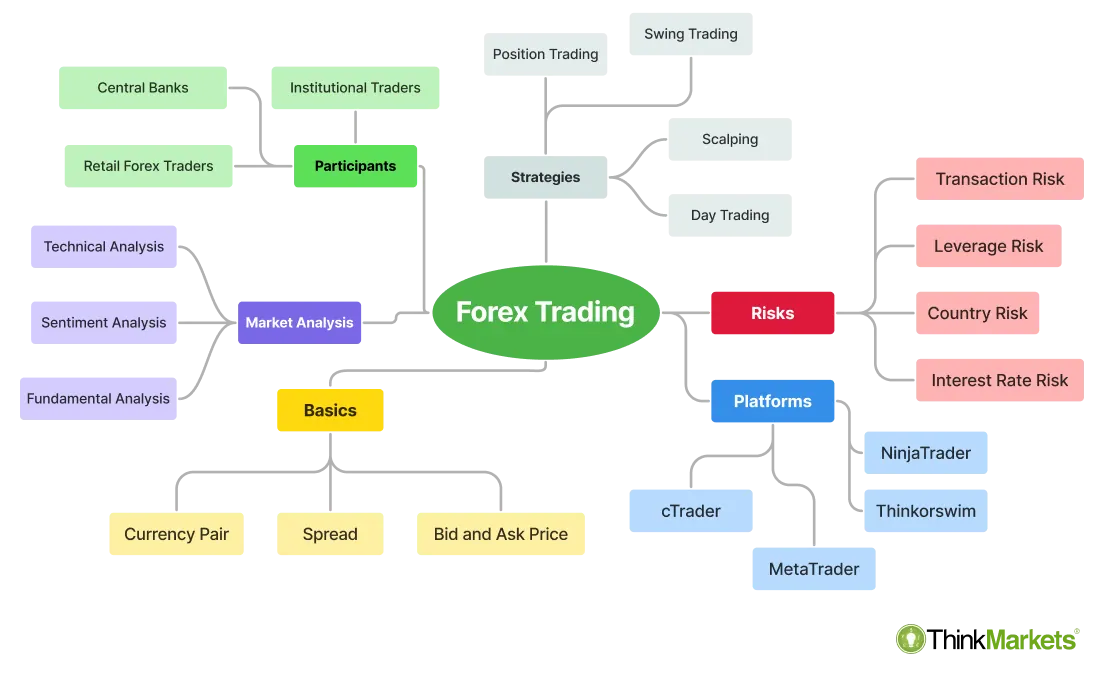
The U.S. dollar, long regarded as a cornerstone of global finance, has witnessed a marked depreciation, dropping approximately 10% since the beginning of 2025. With the Dollar Index now trading below 100, this decline has significant implications for traders and investors in the foreign exchange (forex) market. As market participants reassess their strategies in light of the dollar's weakening, the focus is shifting to alternative currencies and innovative trading techniques. This article delves into the factors contributing to the dollar's decline and the actionable insights emerging for traders navigating this challenging landscape.

Overview of the Dollar's Decline
The depreciation of the U.S. dollar can be attributed to several interconnected factors. Chief among them are changes in economic policies, such as the Federal Reserve's cautious approach to interest rates amidst persistent inflation. According to a recent report from FXStreet, the dollar's decline was compounded by weaker-than-expected inflation data, prompting traders to reevaluate their positions in the currency.
Market Reactions
As the dollar weakens, forex traders are increasingly pivoting towards more stable currencies like the euro (EUR) and the Japanese yen (JPY). Trading volumes for major currency pairs, particularly EUR/USD and USD/JPY, have surged as investors seek to mitigate risks associated with dollar fluctuations. The shift is evident in the actions of European investors, who are ramping up their FX hedging strategies as the so-called "dollar smile" fades, reflecting a growing wariness about the dollar's future trajectory (FX Markets).
Strategic Adjustments for Traders
In light of the dollar's depreciation, traders must adopt a proactive approach, recalibrating their strategies to navigate the evolving forex landscape. Below are actionable insights to consider:
-
Diversification: Traders should diversify their portfolios by incorporating currencies that are expected to strengthen against the dollar. This includes focusing on emerging market currencies, which may benefit from the dollar's weakness, and time-tested currencies like the euro and yen. Diversification not only spreads risk but also opens avenues for potential gains in a fluctuating market.
-
Hedging Strategies: Implementing hedging strategies using options and futures can be vital in protecting against further dollar depreciation. Instruments such as currency swaps and forward contracts provide a safety net, allowing traders to lock in exchange rates and mitigate potential losses. As traders navigate this volatility, hedging remains a crucial tool in their arsenal.
-
Monitoring Economic Indicators: Keeping a close eye on critical economic indicators, including inflation rates and employment data, is essential for anticipating dollar movements. For instance, as inflation expectations remain elevated, traders must be prepared for potential shifts in Federal Reserve policy that could further impact the dollar's value.

Conclusion
The current landscape of the forex market necessitates a proactive approach from traders. The depreciation of the U.S. dollar presents both challenges and opportunities, and understanding its implications is key to successfully navigating the evolving dynamics. By adapting their strategies—through diversification, hedging, and continuous monitoring of economic indicators—investors can capitalize on emerging opportunities in the forex space.
As the market continues to react to geopolitical events and economic data, traders must remain vigilant and flexible, ready to adjust their strategies as conditions change. Continuous education and adaptability will be critical in maintaining a competitive edge in today's forex market.
For those keen on staying informed about the latest market developments and strategies, resources such as Forex.com and FXStreet can provide valuable insights and analysis to enhance trading decisions.