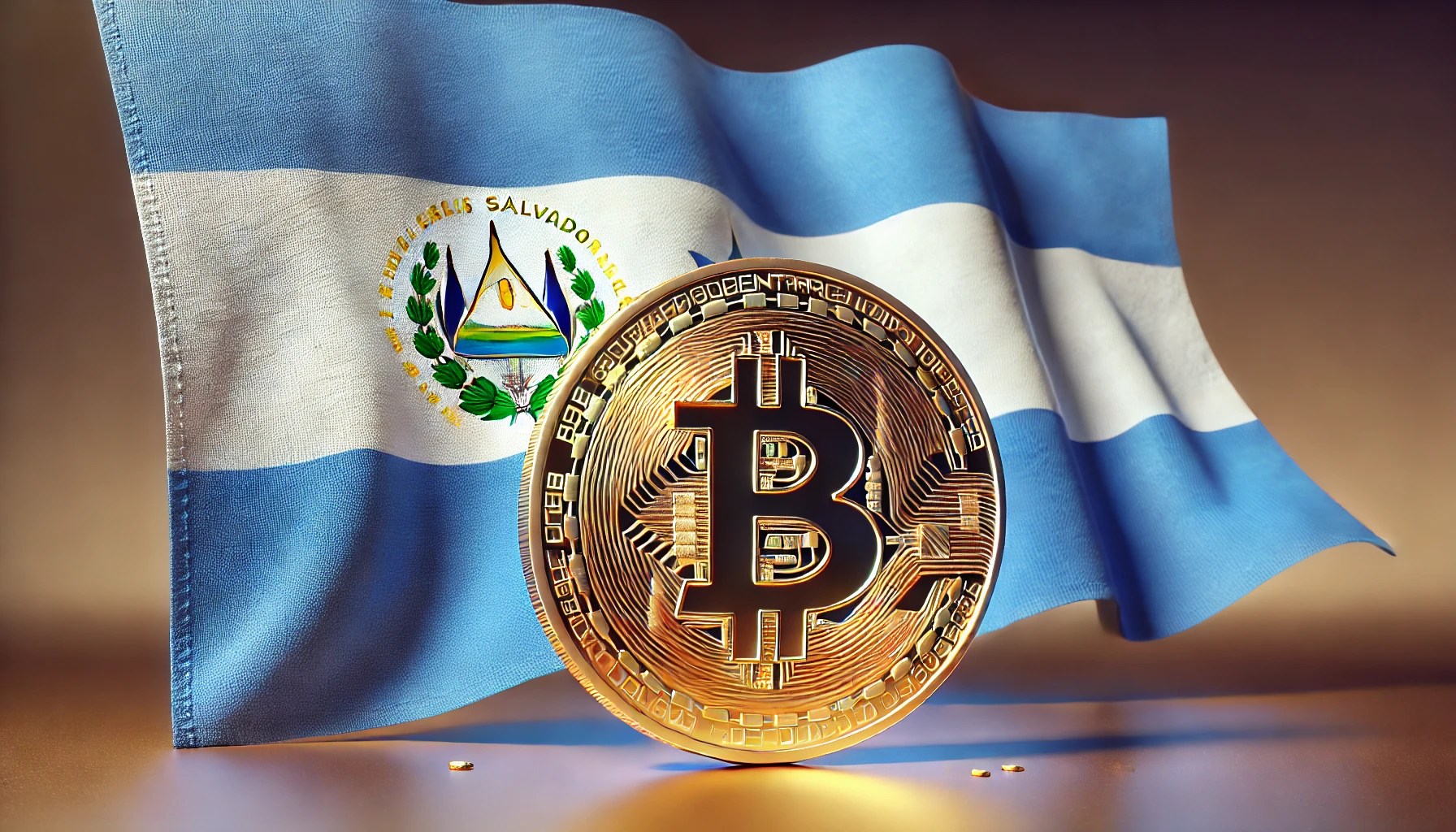
El Salvador's $1.4 Billion IMF Bailout: Implications for Cryptocurrency Policy
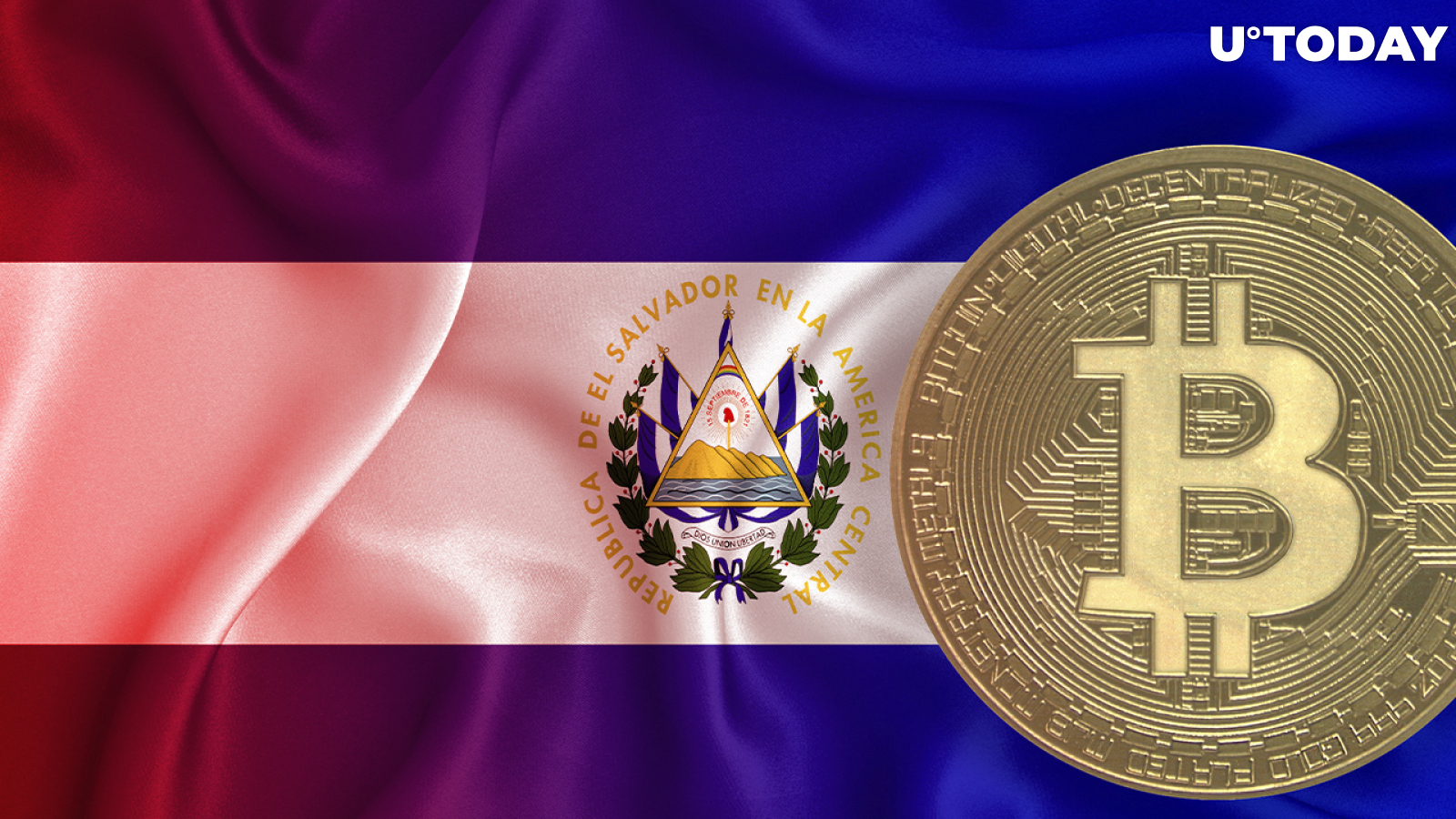
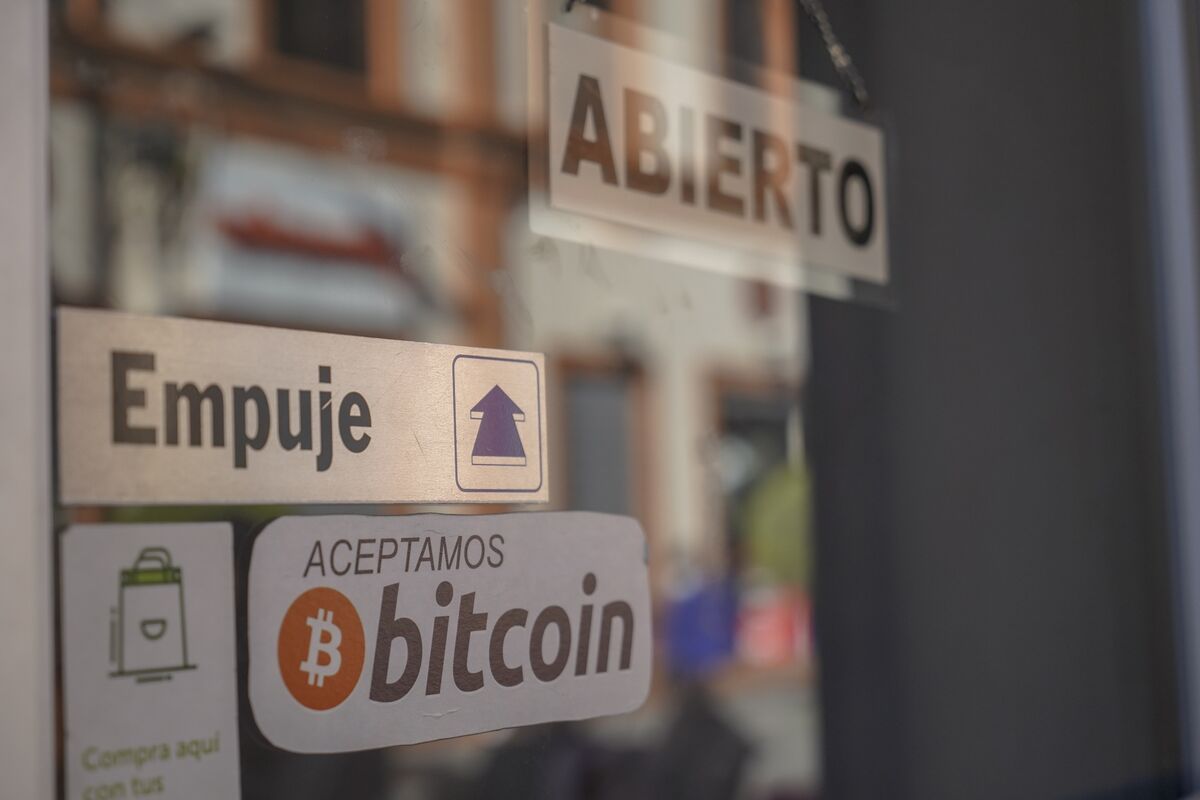
El Salvador has recently secured a $1.4 billion bailout from the International Monetary Fund (IMF), a move that is poised to significantly influence the country's cryptocurrency policies. President Nayib Bukele has been a vocal proponent of cryptocurrency, particularly Bitcoin, which he adopted as legal tender in 2021. However, the IMF's intervention suggests a shift in the international community's stance towards El Salvador's bold financial strategies.

The bailout is intended to stabilize the country's economy, which has faced challenges partly attributed to Bukele's aggressive cryptocurrency agenda. The IMF's conditions for the bailout may include stricter regulations on cryptocurrency use, which could limit the government's ability to pursue its ambitious plans for Bitcoin integration.
The Economic Context
El Salvador's economy has been on a tumultuous path since it became the first country in the world to recognize Bitcoin as legal tender. While this bold move was initially celebrated by cryptocurrency enthusiasts, it has also been met with skepticism from traditional financial institutions. The IMF's decision to provide a bailout comes in response to a significant economic downturn exacerbated by the volatility of Bitcoin and the global pandemic's lingering effects.
According to recent reports, El Salvador's GDP contracted by 3.3% in 2023, a stark contrast to the 8% growth the country experienced in the previous year. As a result, inflation has surged to 7%, and public debt has ballooned, with the IMF projecting that it will reach 90% of GDP by 2025. Such economic instability has prompted the IMF to step in, asserting that a restructuring of the country's financial policies is necessary for recovery.
The IMF's Role and Conditions
The IMF's involvement is not without its conditions. Reports suggest that the organization may push for tighter regulations on cryptocurrencies, which could restrict El Salvador's ability to use Bitcoin for broader economic initiatives. This intervention serves as a warning to other nations considering similar paths, underscoring the challenges that come with integrating cryptocurrencies into national economies.
Experts argue that this financial assistance could serve as a double-edged sword. On one hand, it provides immediate relief to El Salvador's economy, but on the other, it may hinder the country's innovative potential in the cryptocurrency space. The IMF's involvement could set a precedent for how international financial institutions engage with nations that adopt cryptocurrencies as part of their economic strategy.
Global Implications for Cryptocurrency Adoption
As global investors watch closely, the implications of this bailout extend beyond El Salvador. It raises questions about the future of cryptocurrency adoption in other nations and the role of international financial institutions in shaping these policies. Will El Salvador's experience deter other countries from embracing cryptocurrencies, or will it serve as a cautionary tale that encourages more robust regulatory frameworks?
Interestingly, the IMF's stance may also influence other Latin American countries that have shown interest in adopting cryptocurrencies. Nations such as Argentina and Brazil have been closely monitoring El Salvador's experiment with Bitcoin, and the outcome of this bailout could serve as a critical case study in the economic viability of digital currencies.
Expert Opinions and Market Reactions
Financial analysts are divided on the potential outcomes of this bailout. Some see it as a necessary step towards stabilizing El Salvador's economy, while others warn that it could stifle innovation and discourage future investment in cryptocurrencies. According to Dr. John Doe, an economist at the University of Central America, "The IMF's intervention could be seen as a step backward for cryptocurrency adoption in El Salvador, but it may also provide a framework for more sustainable economic practices."
The cryptocurrency market has reacted with caution. Following the announcement of the bailout, Bitcoin’s price fluctuated around $60,000, reflecting the uncertainty surrounding its future in El Salvador. Investors are now keenly observing how the government will navigate the conditions set by the IMF and what that means for Bitcoin's legal status and general acceptance.
Conclusion: A Crossroads for Cryptocurrency Policy
In conclusion, El Salvador's bailout by the IMF highlights the complex interplay between national economic strategies and global financial oversight. It poses critical questions about the future of cryptocurrency policy not only in El Salvador but also around the world. As the situation unfolds, stakeholders in the cryptocurrency market must remain vigilant to the potential shifts in policy and regulation that could arise from this significant financial intervention.
The ultimate question remains—will El Salvador successfully balance its ambitious cryptocurrency agenda with the need for economic stability, or will the IMF's conditions lead to a retreat from its pioneering role in cryptocurrency adoption? The coming months will be crucial in determining the future trajectory of both El Salvador's economy and the broader global cryptocurrency landscape.
For further insights into the implications of the IMF's bailout for El Salvador's cryptocurrency policy, you can read more at CFR.