
US-China Trade Deal Sparks Stock Market Surge: Analyzing the Implications
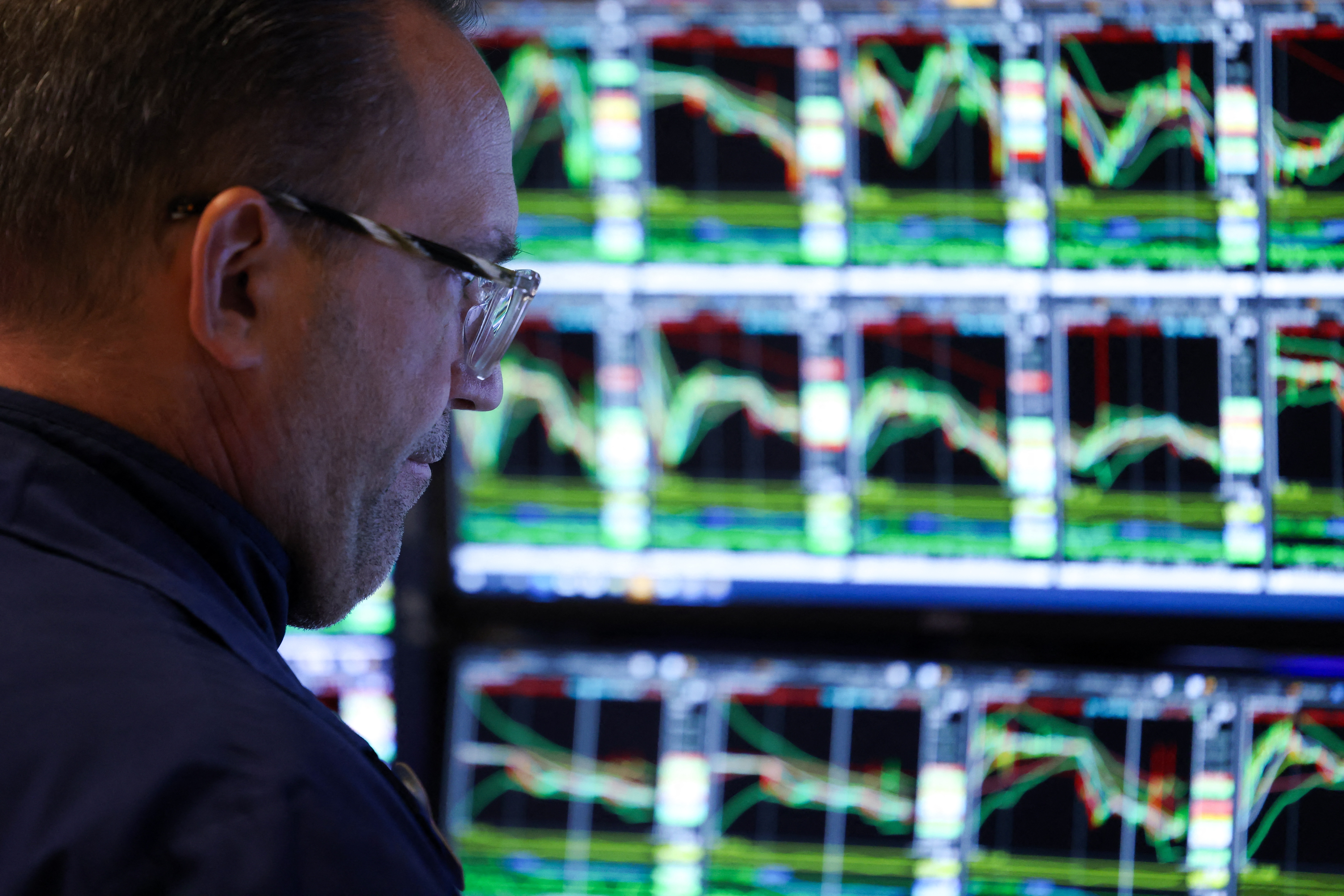
The stock market witnessed a remarkable surge following the announcement of a temporary trade agreement between the United States and China. This agreement, which included a 90-day suspension of most tariffs, propelled the Dow Jones Industrial Average to leap over 1,100 points, adding approximately $2.2 trillion in market capitalization. Investors across various sectors expressed renewed confidence, primarily driven by the hope for improved economic ties and reduced barriers to trade.

Overview of Market Reaction
The immediate market response was overwhelmingly positive, with major indices, including the S&P 500 and Nasdaq, also experiencing substantial gains. As reported by CNBC, the surge reflects a collective sigh of relief from investors concerned about the prolonged trade tensions between the two largest economies in the world.
According to Business Insider, this rally signifies not only a temporary reprieve from the trade war but also potential opportunities for growth in various sectors. However, analysts warn that lingering concerns about unresolved trade issues could lead to future volatility.
Sector Analysis
-
Technology Sector: Companies in the technology sector, such as Apple Inc. (NASDAQ: AAPL) and Microsoft Corp. (NASDAQ: MSFT), saw significant increases in their stock prices. The anticipated reduction of tariffs is expected to improve access to the Chinese market, which is critical for these companies' global revenues.
-
Consumer Goods: Retailers also benefitted, with stocks rising as consumer spending is projected to increase without the burden of tariffs. Analysts posit that the rollback could stimulate consumer confidence, further driving economic growth.
-
Market Volatility: Despite the initial euphoria, analysts caution investors about potential market volatility. The $1.2 trillion trade deficit remains a significant concern, and any missteps in negotiations could quickly reverse recent gains. The complexities of trade negotiations could lead to renewed tensions, further impacting market sentiment.
)
Key Quotes from Analysts
Jeff Hartnett, a market strategist at Bank of America, noted, "While investors are celebrating the immediate benefits of the trade deal, we must remain cautious as the underlying issues that led to the trade war have not been fully resolved."
In a similar vein, Michael Wilson, chief investment officer at Morgan Stanley, remarked, "The market reaction is indicative of pent-up demand, but any swift change in the narrative could lead to a retracement."
Conclusion
While the current rally presents an optimistic view of the market, investors are advised to remain vigilant. The intricacies of ongoing trade negotiations necessitate a prudent approach to portfolio management, emphasizing diversification and a focus on fundamental company performance. Staying informed about potential shifts in policy and market dynamics will be crucial in navigating the upcoming months.
As this situation continues to evolve, investors should be prepared for both opportunities and challenges. With the looming threat of renewed negotiations and trade tensions, the ability to adapt and respond to market changes will be vital for maintaining resilient investment strategies.
In conclusion, while the trade agreement between the U.S. and China has sparked a significant rally in the stock markets, it is imperative for investors to navigate the complexities with a balanced strategy. Understanding the implications of these negotiations and maintaining a diversified portfolio will be key to long-term success in this fluctuating market environment.
For further details, visit CNBC and Business Insider.