
El Salvador's $1.4 Billion IMF Bailout: Implications for Cryptocurrency Policy
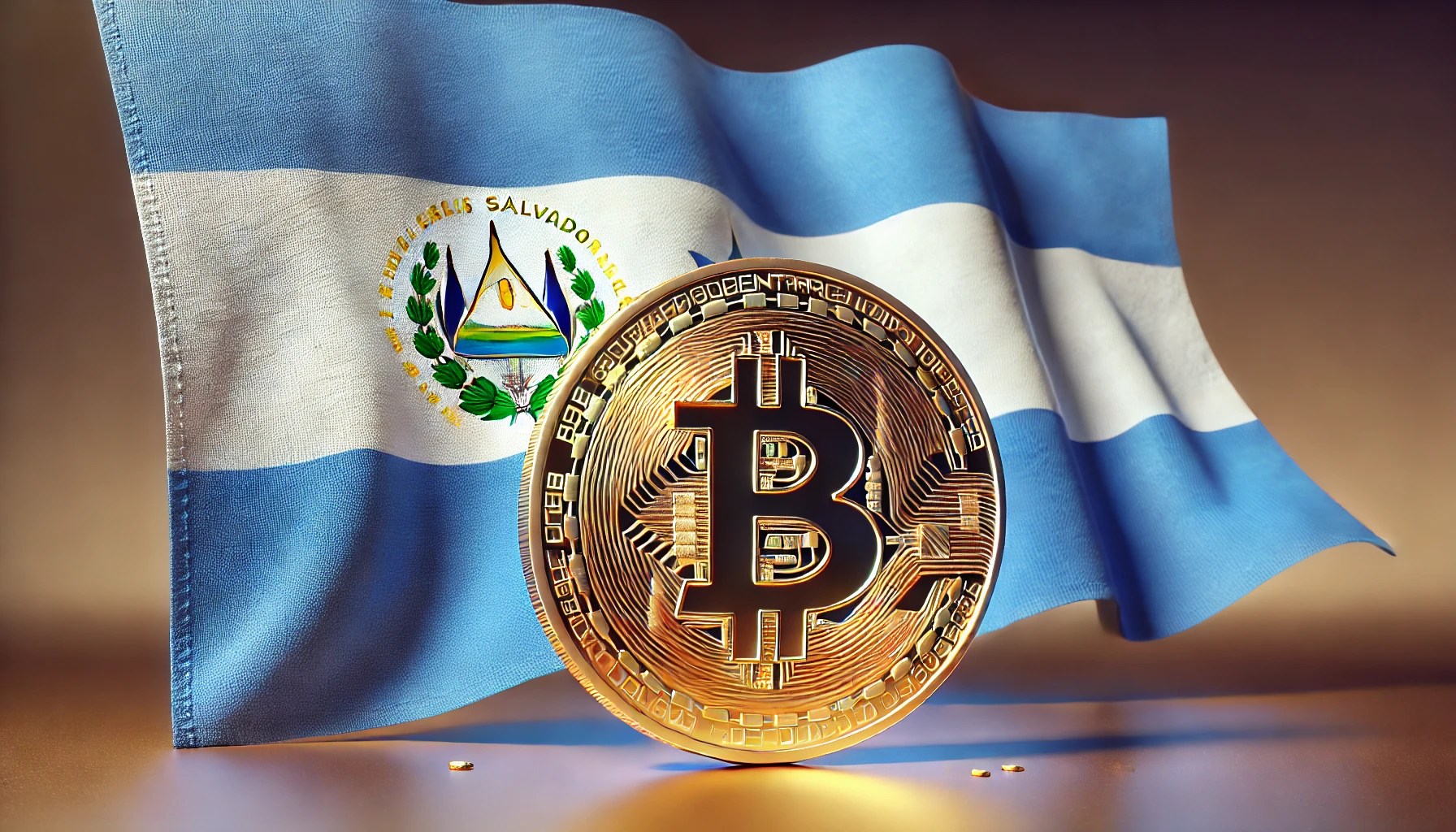
El Salvador has successfully secured a $1.4 billion bailout from the International Monetary Fund (IMF), a move that may have profound implications for the country’s cryptocurrency landscape. With a current economic backdrop of a 3.3% contraction in GDP and an inflation rate hovering around 7%, the bailout is critical for stabilizing the nation’s economy. However, the conditions attached to this financial assistance could impose stricter regulations on cryptocurrencies, particularly Bitcoin, which El Salvador famously adopted as legal tender in 2021.
Economic Context
Since becoming the first country to integrate Bitcoin into its national economy, El Salvador has championed blockchain technology and cryptocurrency as tools for financial inclusion and economic growth. The government, led by President Nayib Bukele, has made considerable investments in Bitcoin infrastructure, including the establishment of a Bitcoin trust fund to attract foreign investments.
However, the recent economic difficulties have prompted the IMF to step in with a bailout. According to the IMF’s assessments, El Salvador's economic situation, exacerbated by external shocks and internal policy missteps, necessitated immediate intervention. The organization’s conditions for the bailout are expected to focus on fiscal discipline and regulatory compliance, particularly in areas that concern cryptocurrencies.
Regulatory Implications
The bailout conditions may lead to more stringent regulations on cryptocurrency transactions and investments. This could manifest in several ways:
-
Enhanced Reporting Requirements: The IMF may require the government to implement measures that enhance transparency in crypto transactions, ensuring that all transactions align with global financial compliance standards.
-
Restrictions on Bitcoin as Legal Tender: Given the IMF's cautionary stance on cryptocurrencies, it is plausible that they will recommend scaling back Bitcoin's role in the economy or, at the very least, placing significant limitations on its use.
-
Encouragement of Central Bank Digital Currency (CBDC): As part of its advisement, the IMF could push for the development of a national digital currency that would be regulated and backed by the government, offering a more stable alternative to Bitcoin.
Global Outlook
El Salvador’s situation serves as a cautionary tale for other nations contemplating similar cryptocurrency adoption policies. The interplay between innovation and regulatory measures poses significant challenges that could affect not just El Salvador but also the broader cryptocurrency landscape globally. Analysts warn that excessive regulation could stifle innovation and deter investment, particularly from institutional players.
According to a recent report, countries that follow El Salvador’s lead must tread carefully. The balance between fostering an innovative financial environment and ensuring consumer protection and financial stability is delicate and fraught with risks. “What we are witnessing in El Salvador is a test case for other nations considering similar paths,” noted economic analyst Maria Lopez. “The outcomes will likely influence policy decisions worldwide.”
Future of Cryptocurrency in El Salvador
With the IMF's intervention, the future of cryptocurrency in El Salvador is uncertain. The government will need to navigate a complicated landscape where it must adhere to international financial standards while also promoting its crypto initiatives. The balancing act will not only determine the fate of Bitcoin in El Salvador but may also set precedents for cryptocurrency policies in other developing nations.
As the IMF's conditions unfold, stakeholders in the cryptocurrency sector are advised to monitor these developments closely. The potential for tighter regulations could reshape investment strategies and overall market sentiment in the region. Investors and crypto enthusiasts alike will be watching to see how the government adjusts its policies in response to both domestic pressures and international guidelines.
Conclusion
El Salvador's recent bailout from the IMF highlights the complex interplay between cryptocurrency innovation and regulatory oversight in today's financial landscape. While the infusion of $1.4 billion is intended to stabilize the economy, the potential regulatory implications could significantly alter the country’s ambitious Bitcoin integration policies. As other nations look to El Salvador as a model for cryptocurrency adoption, the lessons learned will be critical in shaping the future of digital currencies globally.
The situation serves as a reminder of the need for a balanced approach to cryptocurrency regulation—one that safeguards economic stability while fostering innovation.
For ongoing updates and further analysis, stakeholders are encouraged to keep a close eye on reports from the IMF and the El Salvadoran government as they navigate these critical challenges.
