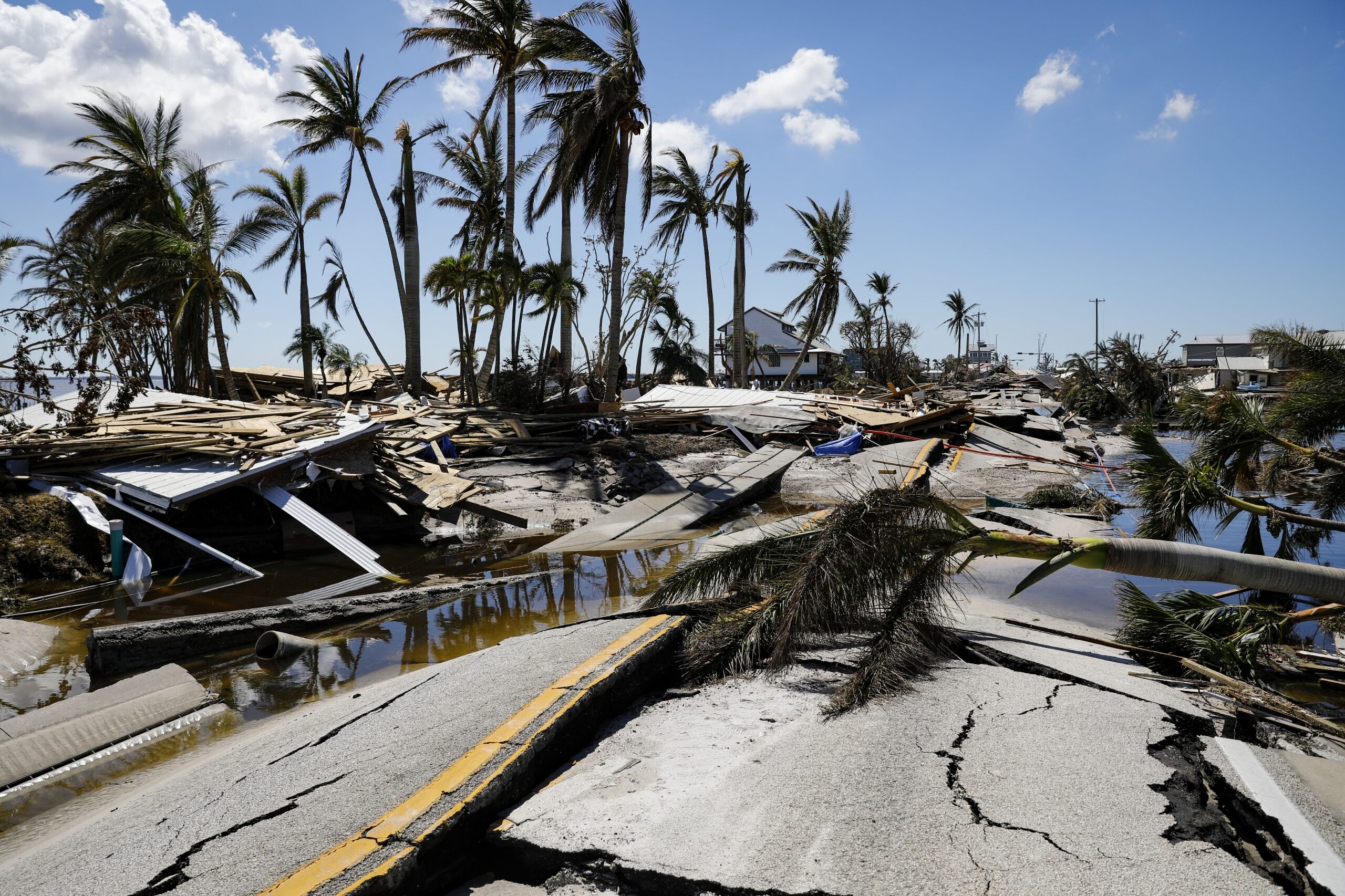
The Resurgence of Catastrophe Bonds: A 20% Growth Forecast for 2025
The financial landscape is witnessing a notable shift as catastrophe bonds emerge as a favored investment, with forecasts predicting a substantial 20% growth in this niche market for 2025. This momentum is largely fueled by heightened investor interest in financial products designed to address the increasing threats posed by climate change. According to Fermat Capital Management, a prominent hedge fund specializing in insurance-linked securities, the demand for these financial instruments is surging as investors look to diversify and hedge against the uncertainties of natural disasters.

Market Dynamics
The catastrophe bond market, also known as cat bonds, provides a unique form of insurance to investors while enabling issuers—often insurance companies—to obtain immediate cash for disaster relief and recovery. Typically, these bonds pay out to investors only if a specified disaster occurs, which makes them an integral part of risk management strategies in increasingly volatile environments.
The 2025 growth forecast is indicative of an evolving market where the financial community is beginning to seriously consider the implications of climate risk on investment portfolios. As natural disasters become more frequent and severe—linked to climate change—a growing number of institutional and retail investors are turning to catastrophe bonds as a way to gain exposure to non-correlated assets that provide high yields.
"Investors are recognizing that climate risks are not just an environmental issue but a financial one," said J. Michael McDaniel, a senior analyst at Fermat Capital. "The growth trajectory for catastrophe bonds reflects a broader understanding that financial instruments can offer solutions to climate-related challenges while also delivering solid returns."
Investor Sentiment
Investor sentiment towards catastrophe bonds has markedly shifted, especially in the wake of increasing reports on climate-related disasters, which have highlighted the urgency for innovative financing solutions. The appeal of catastrophe bonds lies not only in their potential for high yields—averaging around 10.86%—but also in their ability to serve as a hedge against traditional market volatility, particularly during periods of economic uncertainty.
The ongoing global conversation about climate change has further catalyzed interest in these instruments. With investors seeking ways to align their portfolios with sustainable practices, catastrophe bonds provide an avenue to invest in essential disaster recovery efforts while maintaining a focus on financial returns.
"Many investors are now looking for instruments that not only promise returns but also contribute positively to society, and catastrophe bonds fit that bill," stated Laura Cohen, a financial advisor specializing in sustainable investments.
Financial Implications and Future Outlook
As the catastrophe bond market continues to expand, it is essential for investors to understand the implications of this growth on broader financial strategies. The annual issuance of catastrophe bonds has already shown resilience amidst fluctuations in other markets, providing a stable alternative for fixed-income investors. As of early 2025, the market is expected to see issuance surpass $20 billion, driven by both new issuers and increased participation from institutional investors.
Furthermore, as the world adjusts to the realities of climate change, the integration of environmental considerations into investment strategies is becoming more pronounced. The anticipated growth of the catastrophe bond market reflects a significant trend where financial markets are increasingly responding to environmental challenges.
The impact of this shift could reshape how investors approach risk management and asset allocation. By incorporating catastrophe bonds into diversified portfolios, investors can achieve greater stability and resilience against unexpected global events.
Conclusion
The anticipated 20% growth in the catastrophe bond market for 2025 underscores a pivotal moment in the convergence of finance and environmental awareness. As investors navigate the complexities of climate risks, catastrophe bonds represent not only a viable investment option but also a crucial tool for disaster preparedness and recovery.
Incorporating these instruments into a diversified fixed-income strategy could yield favorable outcomes for investors looking to balance risk with social responsibility. As the market for catastrophe bonds evolves, it is essential for investors to stay informed and consider the broader implications of their investment decisions.
With the increasing recognition of climate-related risks, catastrophe bonds are poised to become key players in the fixed-income landscape, offering innovative solutions for both investors and communities grappling with the impacts of climate change.
For more detailed insights, you can read the original announcement from Fermat Capital Management here.
In summary, as financial markets adapt to new realities, the role of catastrophe bonds is likely to expand, providing avenues not only for substantial returns but also for contributing to a more resilient future in the face of natural disasters.