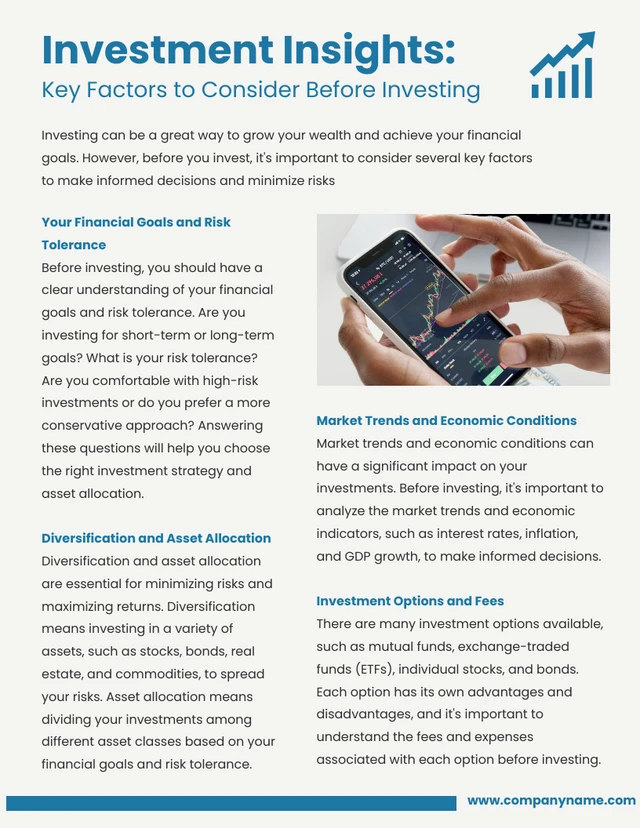
Navigating High-Yield Bonds: Strategies for Investors in 2025
With bond yields at their highest levels in years, the high-yield bond market has become increasingly attractive to investors seeking steady income streams. As of June 2025, the average yield on high-yield corporate bonds has surged to approximately 8.5%, providing opportunities for enhanced returns amidst a backdrop of economic uncertainty. As the landscape of high-yield bonds evolves, understanding the potential rewards and inherent risks associated with this asset class is critical for investors looking to maximize returns.

Current Market Overview
High-yield bonds, often referred to as junk bonds, are rated below investment grade by credit rating agencies. Despite their higher risk, they offer significantly higher yields compared to investment-grade bonds. The current yield on the Bloomberg Barclays U.S. High Yield Bond Index is indicative of robust demand for these securities as investors seek higher returns in a low-interest-rate environment.
According to MarketWatch, the current economic landscape has led many investors to turn towards high-yield bonds. During uncertain times, such as the ongoing fluctuations in U.S. economic policy and international trade agreements, these bonds can provide a more appealing investment option.
Key Strategies for Investing in High-Yield Bonds
Investing in high-yield bonds requires a strategic approach to navigate the associated risks effectively. Here are several key strategies:
-
Diversification: It’s essential for investors to diversify their high-yield bond portfolios across various sectors to mitigate risks associated with individual issuers. This can include bonds from industries such as technology, healthcare, and energy. A diversified portfolio can help cushion against sector-specific downturns.
-
Credit Analysis: Conducting thorough credit analysis is crucial. Investors should assess the financial health of issuers by focusing on cash flow, debt levels, and market position. This analysis helps identify bonds with the potential for solid performance while avoiding those that may pose greater risks of default.
-
Monitoring Economic Indicators: Keeping an eye on macroeconomic indicators, such as interest rates and inflation, can help investors anticipate shifts in the bond market. For instance, a rising interest rate environment may negatively impact bond prices, emphasizing the importance of timing in investment decisions.
-
Utilizing Bond Funds: For those less inclined to manage individual bonds, high-yield bond funds can offer professional management and diversification. Funds such as the iShares iBoxx $ High Yield Corporate Bond ETF (HYG) provide exposure to a broad range of high-yield securities, allowing investors to harness the expertise of seasoned fund managers.
Risks to Consider
While high-yield bonds can offer attractive returns, they also come with inherent risks:
-
Credit Risk: The possibility that issuers may default on their debt obligations is higher in the high-yield segment. Investors should carefully evaluate the creditworthiness of the issuing companies.
-
Interest Rate Risk: Rising interest rates can lead to declining bond prices, particularly impacting longer-duration high-yield bonds. Investors should be mindful of the interest rate environment and adjust their holdings accordingly.
-
Market Volatility: Economic downturns can lead to increased volatility in high-yield markets, affecting liquidity and pricing. Investors should stay informed about macroeconomic trends and global events that might impact market stability.
Conclusion
Investors looking to capitalize on the current high-yield bond landscape should adopt a strategic approach that includes diversification, thorough credit analysis, and a keen awareness of economic conditions. As yields continue to hover at multi-year highs, the potential for enhanced returns is evident; however, vigilance is paramount. By employing the strategies outlined above, investors can navigate the complexities of the high-yield bond market, potentially enhancing their portfolio returns while managing associated risks.
For more information, consider exploring resources from Bankrate and Grip Invest to further understand the dynamics of high-yield bonds and investment strategies.
References
By maintaining a disciplined approach and staying informed about market conditions, investors may find that high-yield bonds represent a valuable addition to their investment strategies as we move through 2025 and beyond.