The Resurgence of Catastrophe Bonds: Opportunities in a Volatile Environment
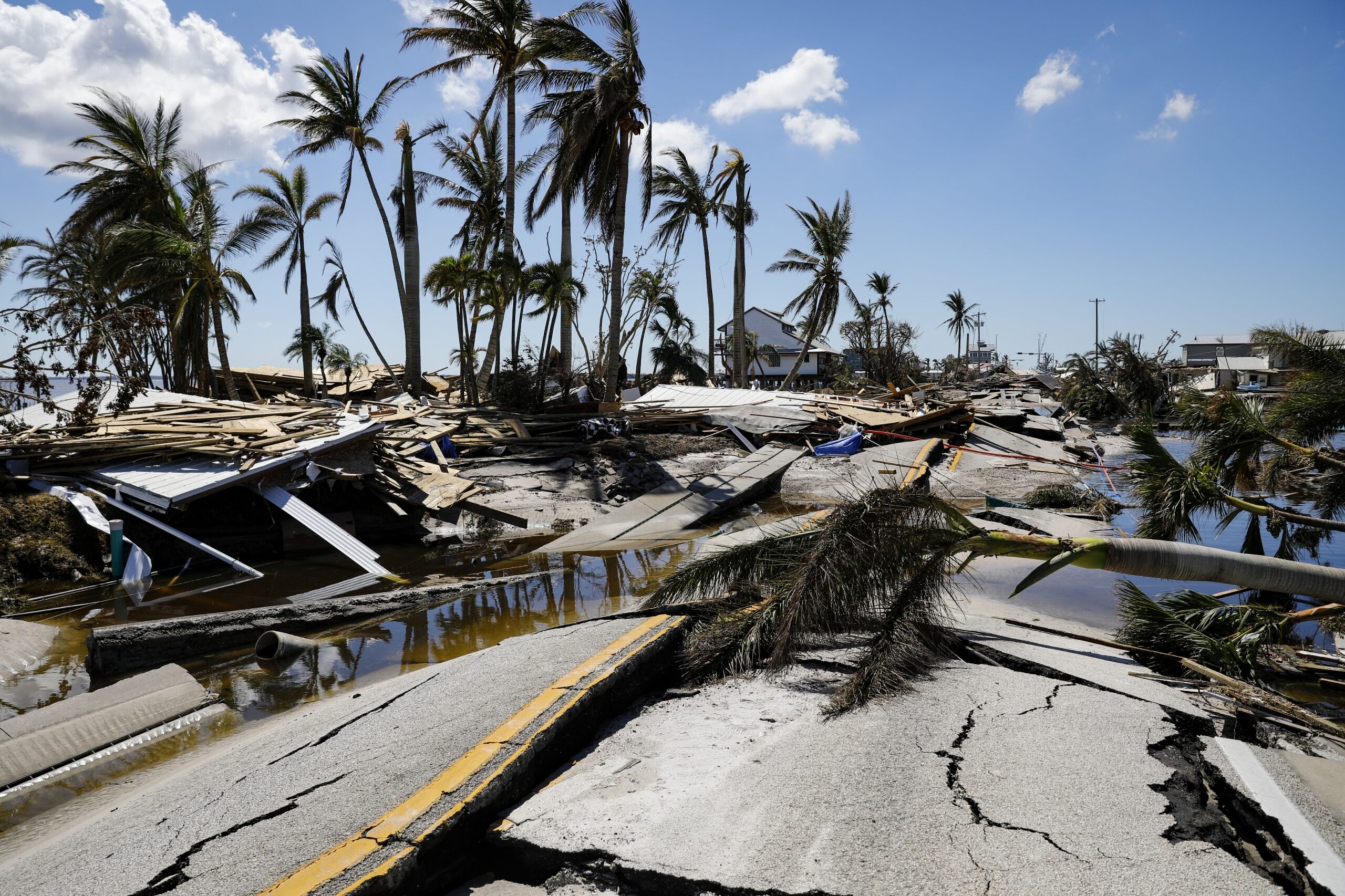
The catastrophe bond market has experienced a remarkable 15% growth in 2025, reaching a total issuance of $15 billion. This surge is largely attributed to the increasing frequency and severity of natural disasters, which has heightened the demand for innovative risk management solutions. With heavy rains, wildfires, and hurricanes impacting various regions, investors are keenly aware of the necessity of diversifying their portfolios to include unique fixed-income instruments like catastrophe bonds.

Key Drivers of Growth
Investors are increasingly recognizing the value of catastrophe bonds as a means to hedge against risks associated with climate change and natural disasters. Unlike traditional fixed-income securities, catastrophe bonds offer higher yields, making them particularly appealing to institutional investors seeking both diversification and enhanced returns.
According to a report by Aviva Investors, the growing frequency of catastrophic events has prompted a shift in risk management strategies. As these events become more commonplace, the attractiveness of catastrophe bonds is expected to increase. In essence, these instruments allow investors to earn a premium for taking on the risk of loss from specified natural disasters, thereby offsetting traditional investment risks.
Market Dynamics
The catastrophe bond market operates on the premise that investors receive attractive returns in exchange for assuming the risk of loss from specific catastrophic events, such as hurricanes or earthquakes. For instance, during Hurricane Katrina, significant payouts from catastrophe bonds helped insurers stabilize their balance sheets. As the frequency of such events rises, the attractiveness of these bonds is expected to grow, making them a viable option for risk-averse investors.
Investors who purchase catastrophe bonds essentially agree to forfeit their principal in the event of a triggering disaster. In return, they receive periodic interest payments that typically exceed those of traditional bonds. The structure of these bonds means that they are less correlated with financial market performance, offering a safeguard during economic downturns.
Investment Considerations
While catastrophe bonds can provide lucrative returns, they are not without risks. Investors must carefully assess the underlying models that predict disaster occurrences and the potential for loss. The models used to price these bonds have improved significantly, but uncertainties about the accuracy of these models remain.
Additionally, the market remains relatively niche, which can lead to liquidity concerns. As the market for catastrophe bonds grows, it is crucial for investors to consider how these bonds fit into their overall investment strategy. Diversification is key, but investors should remain aware of the potential impacts of rising interest rates and changing market dynamics.

A Growing Demand for Risk Management Solutions
The demand for effective risk management solutions continues to rise, particularly as climate-related events become more frequent and severe. According to a report from the World Meteorological Organization, the last decade has seen record-breaking weather events, emphasizing the urgency for investors to consider catastrophe bonds as part of their fixed-income portfolios.
The unique nature of catastrophe bonds provides an opportunity for investors to gain exposure to a growing market segment. With total issuance reaching $15 billion this year, it is evident that both issuers and investors are recognizing the value of these instruments in managing risk.
Conclusion
As demand for effective risk management solutions continues to rise, catastrophe bonds present a compelling opportunity for investors looking to enhance their fixed-income portfolios. With the right strategies, these instruments can offer both protection and yield in an increasingly volatile environment. Given the current trajectory of climate-related disasters and the evolving landscape of investment opportunities, catastrophe bonds are positioned to play an essential role in diversified investment strategies.
Investors considering these bonds should conduct thorough due diligence, keeping in mind the associated risks and the potential for significant returns in a rapidly changing climate. The catastrophe bond market represents not just a unique investment opportunity, but also a critical tool for managing risk in an uncertain world.
For a deeper dive into investment strategies and to explore the landscape of financial markets, consider visiting resources like Aviva Investors for expert insights into risk management and asset diversification.
This article includes information sourced from various reports and statistical data relevant to the catastrophe bond market and its implications for investors.