The Rise of Covered Call ETFs: A Strategic Approach for Income Generation
In a low-interest-rate environment marked by market volatility, covered call exchange-traded funds (ETFs) have gained traction among income-focused investors. These funds offer a compelling investment strategy that not only seeks to generate income but also aims to manage risk. By utilizing a combination of equities and options trading, covered call ETFs provide an accessible route for investors to navigate the complexities of income generation while offering some degree of downside protection.

Mechanics of Covered Call ETFs
Covered call ETFs operate by purchasing a portfolio of stocks while simultaneously writing call options against those holdings. In this context, "writing" a call option means the fund sells the right for another investor to purchase the stock at a predetermined price (the strike price) before a specific date. The premiums received from selling these options enhance the yield of the ETF.
For instance, if an ETF holds shares of a technology company and sells a call option on those shares, the ETF collects a premium that can be distributed to investors as income. This strategy allows investors to benefit from the income generated through option premiums while still holding a diversified portfolio of stocks.
Income Generation
One of the primary advantages of covered call ETFs is their ability to generate consistent income through the premiums received from the options. This is particularly appealing in low-interest-rate environments where traditional fixed-income investments yield minimal returns. According to data from Morningstar, covered call ETFs have become a staple for yield-seeking investors, especially those facing the challenge of low bond yields.
Reduced Volatility
Covered call strategies can potentially reduce the volatility of the underlying equity holdings. By writing call options, these ETFs create a buffer against market fluctuations, as the premiums can offset minor declines in equity prices. For example, during market downturns, the income generated from sold call options can help mitigate losses in the underlying stocks.
Accessibility for Average Investors
Traditionally, options trading required a certain level of expertise and market knowledge. However, covered call ETFs simplify this process, making it accessible to average investors. With these funds, investors can participate in the benefits of options trading without needing extensive knowledge of how options work. This democratization of options investing has contributed to the growing popularity of covered call ETFs among a broader audience.
Benefits of Covered Call ETFs
-
Income Generation: The ability to produce income through option premiums is the most significant advantage. Investors can potentially receive dividends along with premium payments, leading to higher total returns compared to traditional equity investments.
-
Volatility Management: By writing call options, these ETFs can diminish the volatility of their underlying holdings. This offers a more stable investment experience, appealing to risk-averse investors.
-
Ease of Trading: Covered call ETFs are traded like traditional stocks, providing liquidity and flexibility. Investors can easily buy and sell shares throughout the trading day, which is a distinct advantage over direct options trading.
Risks and Considerations
Despite their advantages, covered call ETFs are not without risks. Investors should be aware of the following:
-
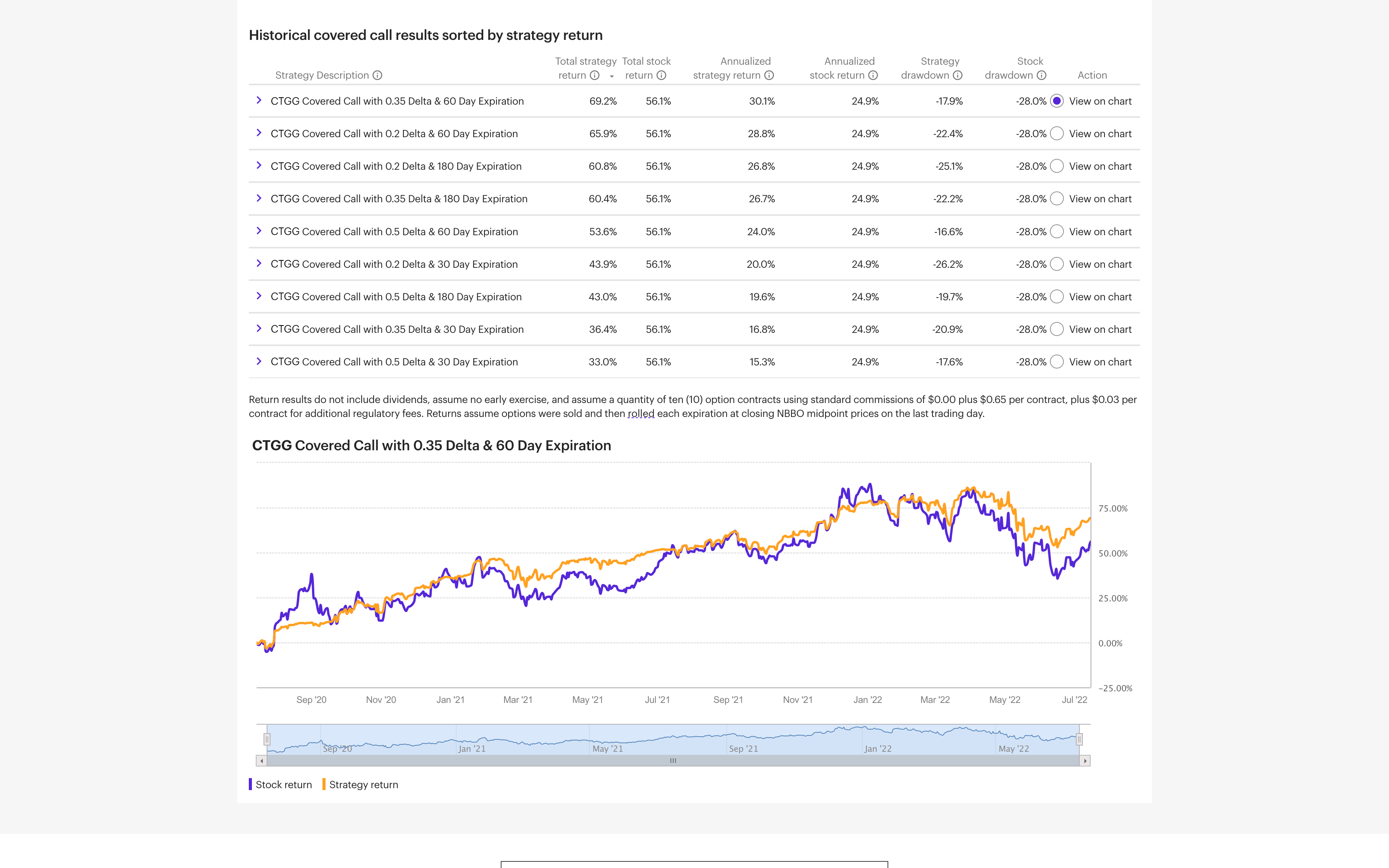
Opportunity Cost: In a strong bull market, the upside potential of the ETF may be limited. If stock prices soar above the strike price of the written call options, the ETF is obligated to sell those shares at the strike price, which could result in missed gains.
-
Market Downturns: While premiums provide some downside protection, they may not fully offset significant losses in a sharp market decline. Investors must consider the inherent risks of holding equities, especially during bear markets.
-
Management Fees: Investors should also be mindful of management fees associated with covered call ETFs. While these funds can be beneficial, higher fees can erode overall returns. As highlighted by sources like ETF Trends, it is crucial to evaluate the expense ratios of various funds before investing.
Conclusion
Covered call ETFs represent an innovative approach to income generation and volatility management. They provide investors with a unique opportunity to earn income while holding a diversified equity portfolio. However, potential investors should carefully evaluate their risk tolerance and investment objectives before including these instruments in their portfolios.
As the market landscape continues to evolve, covered call ETFs may remain an attractive option for those seeking a balanced approach to income generation, especially amid fluctuating interest rates and economic uncertainty.

Keywords
- Covered Call ETFs
- Income Generation
- Investment Strategy
- Volatility Management
- Options Trading