
The Current State of the Forex Market: Key Trends and Insights
As the world navigates a complex economic landscape shaped by geopolitical tensions and shifting monetary policies, the Forex market remains a dynamic space for traders. Recent fluctuations in major currency pairs like EUR/USD and GBP/USD illustrate how closely tied these currencies are to macroeconomic indicators and international events. Amidst this backdrop, the U.S. dollar has shown strength, driven by robust labor market data, while ongoing U.S.-China trade discussions add layers of uncertainty.
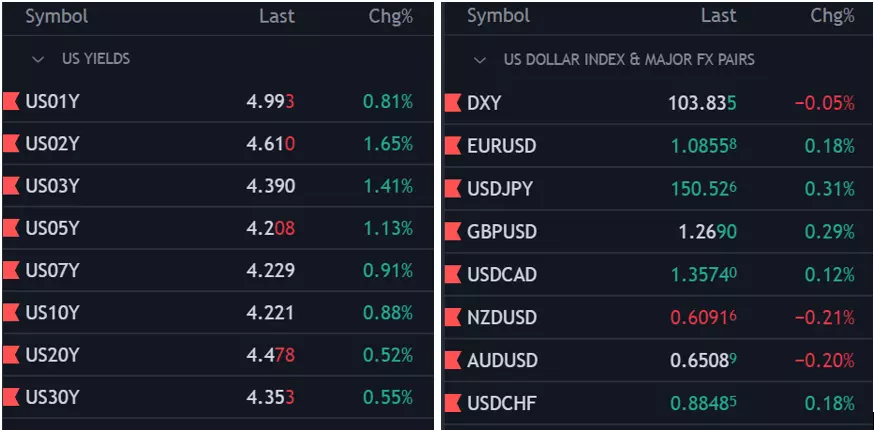
Overview of Recent Forex Movements
In the past week, notable movements in the Forex market have been observed. The EUR/USD pair, which recently tested the resistance zone around 1.1500, has shown signs of correction, now trading closer to 1.1410. Similarly, GBP/USD approached the 1.3600 resistance level before retreating slightly. These shifts reflect traders' responses to economic indicators and geopolitical developments.
Economic Indicators Impacting Forex
The latest labor market data from the United States, which revealed that 250,000 jobs were added in May, has played a crucial role in bolstering the U.S. dollar's position. This robust job growth, combined with an unemployment rate holding steady at 3.5%, has prompted analysts to speculate that the Federal Reserve may consider tightening its monetary policy in response. As of June 9, 2025, the U.S. dollar index stands at 99.00, signaling a positive sentiment towards the dollar.
As reported by ForexLive, this modest strengthening of the dollar against other currencies highlights the market's responsiveness to favorable economic indicators. Analysts predict that further positive data could enhance the likelihood of the Federal Reserve adjusting interest rates, potentially leading to additional gains for the dollar.
Geopolitical Influences
Alongside economic indicators, geopolitical factors significantly influence Forex market dynamics. The ongoing U.S.-China trade talks have created a cautious atmosphere among traders. As both nations engage in negotiations aimed at easing trade tensions, the dollar's performance varies against major currencies. For instance, USD/JPY is currently trading around 144.43, reflecting a slight decline of 0.3% on the day, while the EUR/USD pair has seen some upward movement.
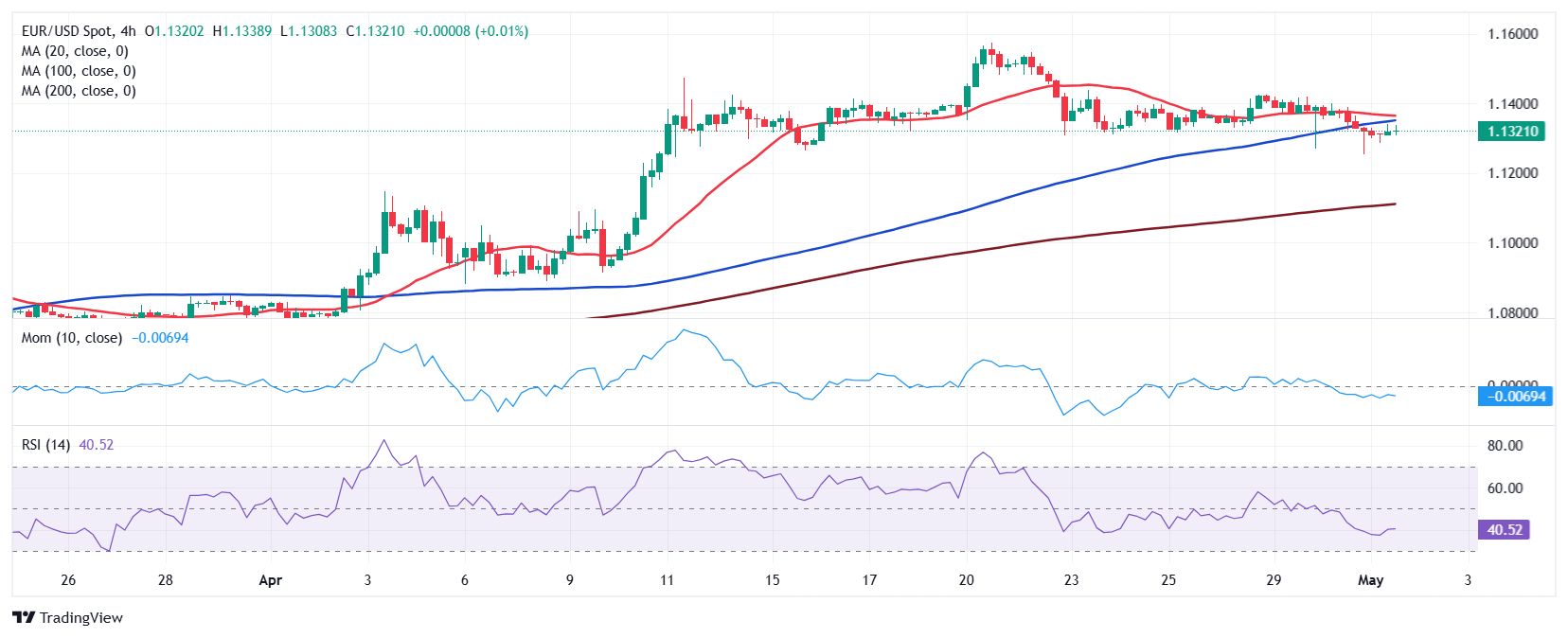
Market sentiment appears to hinge on the outcomes of these trade discussions, with investors closely monitoring any announcements that could shift expectations. As noted by FXStreet, traders are adopting a cautious stance, which is evident in the mixed performance of the dollar against the euro and the yen.
Conclusion
The Forex market is characterized by its complexity and volatility, driven by a confluence of economic indicators and geopolitical developments. As the U.S. dollar continues to gain ground, particularly in relation to the euro and pound, traders are advised to stay vigilant. With important economic data on the horizon and ongoing trade negotiations, opportunities for trading may arise for those who can adeptly navigate the nuances of this ever-evolving market.

As we look ahead, understanding the interplay between economic data, central bank policies, and geopolitical events will be crucial for traders seeking to position themselves effectively in the Forex market. Whether through established currency pairs or emerging market opportunities, the potential for profit remains strong, contingent upon informed and strategic trading decisions.