
Rising U.S. Government Debt: Implications for Fixed Income Investors
As U.S. government debt surpasses $36 trillion, the implications for fixed income investors are becoming ever more pronounced. Concerns surrounding rising budget deficits and their potential impact on bond yields, market volatility, and investment strategies have become focal points in today’s financial landscape. With the interest on federal debt recently exceeding $1 trillion annually and projected to rise, bond markets are reacting, leading to a steeper yield curve and increased volatility.

Current Debt Landscape
In recent years, the U.S. federal budget has been characterized by significant deficits, exacerbated by a combination of expansive fiscal policy and economic pressures. As the national debt has soared, interest payments have also surged, presenting a concerning scenario for bond investors. The burden of servicing this debt is anticipated to grow as maturing debt is refinanced at higher yields. This evolution raises critical questions about the sustainability of fiscal policy and the resilience of the bond market.
Yield Curve Dynamics
The current interest rate environment has seen yields on 20- and 30-year Treasury bonds approach 5%, which is approximately 100 basis points higher than yields on shorter-term instruments. This widening gap indicates a steepening yield curve, a phenomenon often associated with heightened credit risk perceptions within the market. According to Brian Therien, a Senior Fixed Income Analyst at Edward Jones, "the market is adjusting to the reality of increased government debt, and that is reflected in the yields."
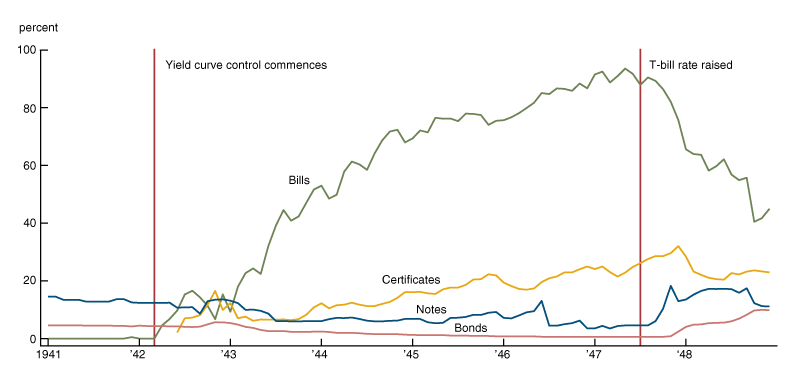
This steepening yield curve not only signals investor apprehension regarding the long-term viability of government debt but also creates a more volatile environment for bond prices. With financial institutions and global central banks reducing their exposure to U.S. Treasury securities, the need for a broader group of investors has emerged. This shift in demand dynamics could fuel further volatility, particularly for long-term bonds.
Investment Strategies
In light of these developments, fixed income investors are encouraged to reevaluate their strategies. Diversification has become a critical strategy for managing risks associated with rising yields and market fluctuations. Incorporating international investment-grade bonds and emerging market debt (EMD) can enhance portfolio diversification and provide better risk-adjusted returns.
Within the U.S. investment-grade bond space, analysts recommend focusing on seven- to ten-year bonds. These bonds can lock in higher yields while being less sensitive to government debt concerns compared to their longer-term counterparts. "Investors should consider the duration of their holdings and how they align with the current interest rate environment," Therien added.
Conclusion
While the U.S. Treasury market remains one of the largest and most liquid globally, the landscape is changing rapidly. The implications of rising government debt cannot be overlooked, as they influence everything from bond yields to investment strategies. Despite the potential for higher yields and increased volatility, the fundamental strength of U.S. Treasury bonds remains intact. The U.S. government is unlikely to default on its obligations, but prudent investment choices are essential in navigating this evolving fixed income environment.
Key Takeaways
- U.S. government debt has exceeded $36 trillion, raising questions about fiscal sustainability.
- A steepening yield curve indicates increased sensitivity to market fluctuations for long-term bonds.
- Diversifying into international bonds and emerging market debt may provide better risk-adjusted returns.
For those interested in learning more about the implications of rising government debt and strategies for navigating these challenges, resources such as Edward Jones provide insights and advice tailored to individual investment goals (source).

In conclusion, fixed income investors must remain vigilant, adapting their strategies to the evolving landscape of U.S. government debt and its implications for bond markets. As the fiscal environment continues to shift, staying informed and responsive will be crucial for optimizing investment outcomes.