Oil Market's Surprise Rally: Analyzing the Impact of Geopolitical Tensions
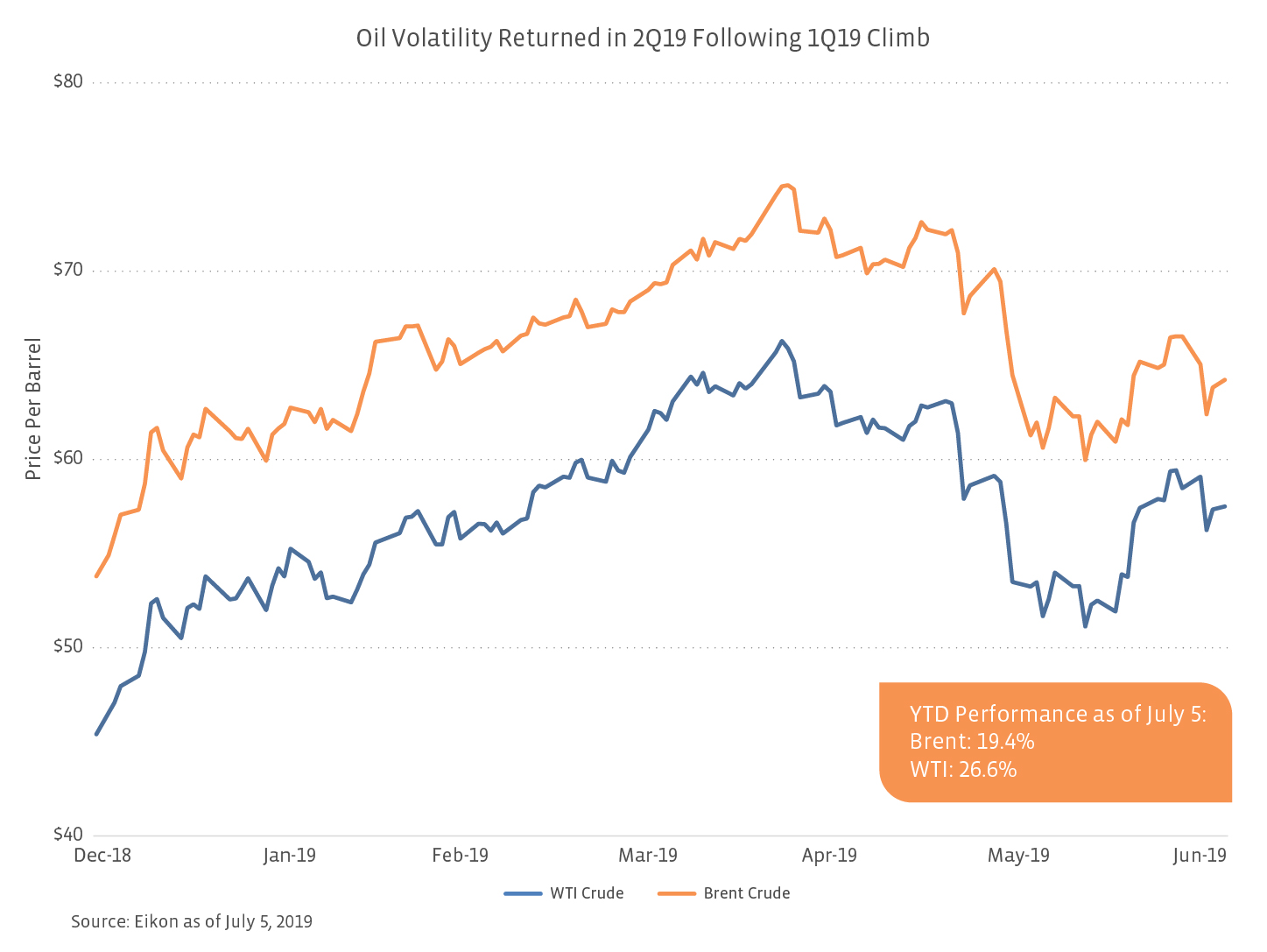
The oil market has recently witnessed a remarkable rally, with Brent crude futures climbing to $74.31 per barrel, the highest level since April 2025. This surge has caught many bearish traders off guard, primarily driven by escalating geopolitical tensions in the Middle East, particularly between the United States and Iran. The recent missile strikes by Israel on Iranian nuclear facilities have heightened fears of supply disruptions in an already volatile region, prompting a reassessment of the dynamics governing oil prices.

Key Drivers of the Rally
1. Geopolitical Tensions
The catalyst for the recent price surge has been the sharp escalation in hostilities between Israel and Iran. Following missile strikes by Israel aimed at Iranian nuclear sites, fears of an extended conflict have surged. Israeli Prime Minister Benjamin Netanyahu has indicated that military actions will continue until Iran's nuclear capabilities are effectively neutralized. This has raised alarm bells in global oil markets, as any prolonged military engagement risks significant supply disruptions, particularly through critical transit zones such as the Strait of Hormuz, which handles approximately 20% of the world's oil supply.
2. Market Reactions
The immediate market response has been pronounced, with West Texas Intermediate (WTI) futures also reflecting upward momentum at $73.15 per barrel. Reports suggest that the market's sensitivity to geopolitical events in the Middle East remains high, given the potential for supply chain disruptions in a region that is already fraught with instability. The latest developments have prompted a reevaluation of existing supply-demand dynamics, pushing many investors to adjust their positions in anticipation of further price increases.
3. OPEC+ Dynamics
While OPEC+ had previously increased output levels, leading to downward pressure on prices, the geopolitical climate has shifted sentiment dramatically. The oil cartel's ability to influence prices is now being overshadowed by real-time geopolitical developments. As tensions escalate, the prospect of supply constraints from the Middle East can significantly alter the oil market landscape, leading to a more bullish sentiment among traders and investors.
Implications for Investors
Investment Strategies
As the geopolitical landscape evolves, investors are advised to stay informed on developments that could impact oil prices. Strategies may include increasing exposure to energy stocks or oil exchange-traded funds (ETFs) to capitalize on potential price movements. Analysts suggest that now may be an ideal time to reassess investment portfolios to better hedge against volatility arising from geopolitical tensions.
Risk Management
Given the unpredictable nature of geopolitical events, implementing robust risk management strategies is essential for investors navigating this turbulent market. This includes closely monitoring news updates, diversifying investments across different energy sectors, and considering options strategies that could help mitigate risk exposure.
Conclusion
The recent rally in oil prices serves as a stark reminder of the intricate relationship between geopolitical tensions and commodity markets. Investors must remain vigilant and adaptable as they navigate these emerging opportunities while simultaneously managing associated risks. As the situation continues to unfold, market participants will need to carefully assess how these dynamics may influence oil prices in the weeks and months to come.
For more information on commodity markets, visit FT Commodities or ICIS.

This evolving scenario underscores the critical importance of keeping a watchful eye on global events that could significantly impact investments in the energy sector. As always, informed decision-making will be key to successfully navigating these choppy waters.