
Geopolitical Tensions Drive Commodity Prices: A Focus on Oil and Silver
In recent weeks, escalating geopolitical tensions, particularly between the United States and Iran, have triggered significant fluctuations in commodity prices. As of June 14, 2025, oil and silver markets are particularly affected, reflecting broader market dynamics that investors must navigate carefully. This article delves into current trends in these commodities, offering actionable insights for investment strategies amid this volatility.
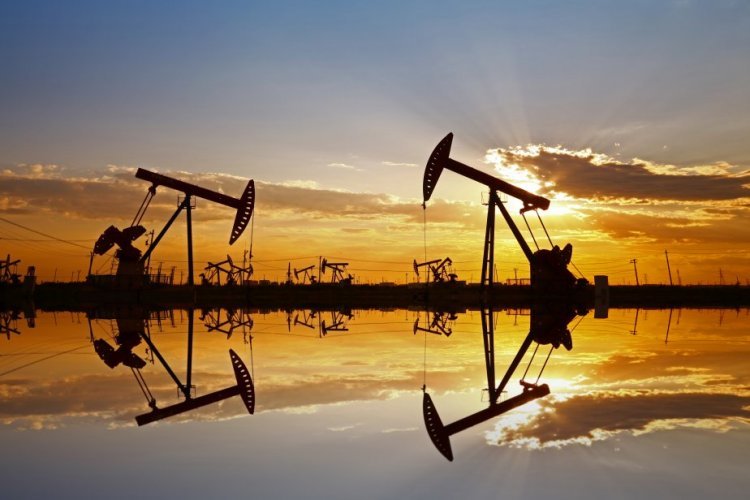
Oil Market Dynamics
Brent crude futures have surged to $74.31 per barrel, while West Texas Intermediate (WTI) futures have risen to $73.15 per barrel. This surge can be attributed to heightened fears surrounding potential supply disruptions after missile strikes on Iranian nuclear facilities. The Strait of Hormuz, a critical chokepoint for global oil transport, plays a pivotal role in this scenario, accounting for approximately 20% of the world's oil supply. The geopolitical landscape has led to increased speculation about the stability of oil flows from this region.
According to the U.S. Energy Information Administration (EIA), any disruptions in this region can have immediate and significant impacts on global oil prices. As tensions continue to mount, analysts are closely monitoring the situation. The volatility in oil prices reflects a broader trend where geopolitical events can dramatically influence market conditions, as outlined by multiple analysts and reports from prominent financial outlets such as Bloomberg and WSJ Commodities.
Silver as a Safe Haven
Simultaneously, silver prices have climbed to $26.50 per ounce, driven by a 5% increase in industrial demand and a 20% inflow into silver exchange-traded funds (ETFs). The ongoing geopolitical instability has led investors to seek refuge in precious metals, reinforcing silver's status as a safe-haven asset.
As geopolitical fears rise, historical trends indicate that precious metals often become attractive as protective investments. According to a forecast by analysts, silver prices could potentially reach $30 per ounce by the end of the year, suggesting a favorable investment environment for those looking to hedge against market volatility and inflation.

Investment Strategies
Given the current market conditions, investors are advised to reassess their portfolios strategically. Here are a few actionable strategies:
-
Increase Exposure to Energy Stocks or Oil ETFs: With oil prices on the rise due to geopolitical tensions, investors might consider increasing their allocations to energy stocks or oil-specific ETFs. Companies involved in oil production and refining stand to benefit from higher prices, offering potential for capital appreciation.
-
Diversify into Silver and Related ETFs: As silver gains traction as a safe haven, diversifying into silver ETFs can provide a cushion against stock market volatility. This strategy not only allows investors to benefit from rising silver prices but also provides a hedge against inflationary pressures.
-
Monitor Global Events Closely: Staying informed about geopolitical developments is crucial. Markets can react swiftly to news, and being ahead of the curve can provide investors with an advantage. Utilizing resources like AgWeb and financial news platforms can help maintain an informed investment strategy.
-
Implement Risk Management Practices: As volatility increases, implementing risk management strategies such as stop-loss orders or diversifying across different asset classes can help mitigate potential losses.
Conclusion
The interplay of geopolitical tensions and commodity prices underscores the need for strategic investment approaches. By understanding the factors driving oil and silver prices, investors can position themselves advantageously in a fluctuating market. The current landscape presents both challenges and opportunities; remaining informed and adaptable is key to capitalizing on these dynamics.

Keywords
- Oil
- Silver
- Geopolitical Tensions
- Investment Strategies
- Commodity Prices
References
By keeping a close eye on geopolitical developments and adjusting strategies accordingly, investors can navigate the complexities of the current commodity markets. The potential for growth in both oil and silver sectors makes for a compelling investment discussion as the landscape continues to evolve.