)
Navigating the Impact of Geopolitical Tensions on Oil and Silver Markets
As geopolitical tensions escalate, particularly between Israel and Iran, the commodity markets are experiencing significant volatility. Recent military actions have triggered fluctuations in oil and silver prices, compelling investors to reassess their strategies amid uncertainty. This analysis delves into the underlying factors driving these changes and offers actionable recommendations for navigating this volatile landscape.
Oil Market Dynamics
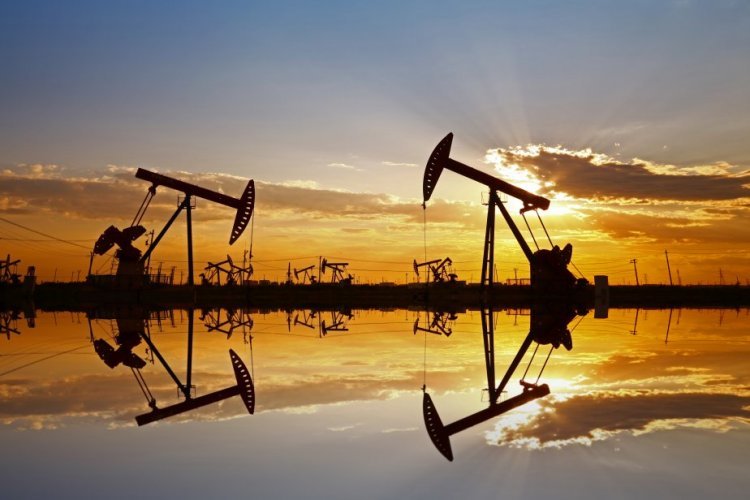
The ongoing conflict in the Middle East has led to a marked increase in oil prices, with Brent crude reaching $74.31 per barrel and West Texas Intermediate (WTI) trading at $73.15. The escalation of military actions has raised apprehensions regarding potential supply disruptions, specifically through the Strait of Hormuz, a crucial shipping route through which 20% of the world's oil supply transits.
Adding complexity to the market dynamics, the Organization of the Petroleum Exporting Countries (OPEC) recently announced a plan to boost production by 1.5 million barrels per day. This decision aims to stabilize prices amidst rising global demand but raises concerns about oversupply, especially given the geopolitical instability in the region. The interplay between increased production and geopolitical risks has led analysts to forecast heightened volatility in oil prices in the coming months.
Recent Price Movements
According to reports, the price surge for Brent crude was propelled by fears of disruptions in supply lines amid military tensions. The potential for conflict to escalate further could lead to strategic oil reserves being tapped, adding another layer of complexity to price forecasting.

Silver as a Safe-Haven Asset
In parallel to oil, the silver market is witnessing a robust uptick. The price of silver has risen to $26.50 per ounce, with analysts predicting a potential increase to $30 per ounce by year-end. This surge in price is attributed to several factors, including heightened industrial demand and significant inflows into silver exchange-traded funds (ETFs), which have increased by 20%.
Silver's appeal as a safe-haven asset during times of geopolitical instability is proving to be a critical factor in its price resilience. As uncertainty looms over the oil market, many investors are reallocating their portfolios towards precious metals, a strategy that historically provides a hedge against inflation and market volatility.

Strategic Recommendations for Investors
Navigating the current geopolitical landscape requires a nuanced approach. Here are several strategies for investors looking to capitalize on the volatility in oil and silver markets:
-
Diversification: Broadening investment portfolios to include both oil and silver can help balance exposure to these commodities, which may respond differently to geopolitical developments. A diversified portfolio often mitigates risks associated with market fluctuations.
-
Monitoring Geopolitical Developments: Staying informed about the latest geopolitical events is crucial, as these can lead to rapid and unpredictable price changes in commodities. Regularly reviewing news from credible financial sources can help investors make timely decisions.
-
Utilizing ETFs: For those interested in investing in silver without the complexities involved in physical ownership, ETFs offer a convenient alternative. They provide exposure to silver price movements while offering liquidity and lower transaction costs.
Conclusion
The current geopolitical landscape presents both challenges and opportunities for commodity investors. By understanding the dynamics of the oil and silver markets, investors can make informed decisions to navigate this volatile environment effectively. The interplay between escalating tensions and market responses underscores the importance of vigilance and strategic planning in commodity investments.
For ongoing updates and expert insights, investors are encouraged to refer to reputable financial platforms such as Business Standard and Livemint, which provide real-time data and analysis on market trends.