
Navigating Forex Volatility: Strategies for Traders Amid Economic Uncertainty
As geopolitical tensions escalate, particularly in the Middle East, forex markets are experiencing heightened volatility. The recent conflict has led to significant shifts in currency values, with safe-haven currencies like the U.S. dollar rising against others. As traders confront these turbulent conditions, adopting effective strategies becomes essential for managing risks and capitalizing on market movements.
Understanding Market Dynamics
The ongoing hostilities have led to uncertainty that can significantly impact currency trading. In times of crisis, investors often seek refuge in stable currencies, which results in appreciation for the U.S. dollar and the Japanese yen. The sudden spikes in volatility demand that forex traders remain vigilant and prepared to adjust their strategies accordingly.
According to recent reports, the U.S. dollar saw a notable increase against various global currencies as investors shifted towards safe-haven assets amidst the unrest. This movement is reflective of a broader trend in the forex market where geopolitical risks have historically influenced currency performance.
Key Strategies for Traders
-
Implement Risk Management Techniques: Managing risk is paramount in a volatile market. Traders should set stop-loss orders to limit potential losses during unexpected market shifts. By clearly defining how much capital they are willing to risk per trade, forex traders can protect themselves from significant downturns.
-
Diversify Currency Pairs: Engaging with various currency pairs can help mitigate risk. Traders might consider exploring emerging market currencies or pairs that exhibit lower correlation with major currencies, thereby spreading their exposure and reducing the impact of adverse movements in any single currency.
-
Stay Informed on Geopolitical Developments: Continuous monitoring of geopolitical events is vital for making informed trading decisions. Utilizing tools like economic calendars and reputable news sources can equip traders with timely information on developments that directly impact the forex market.
-
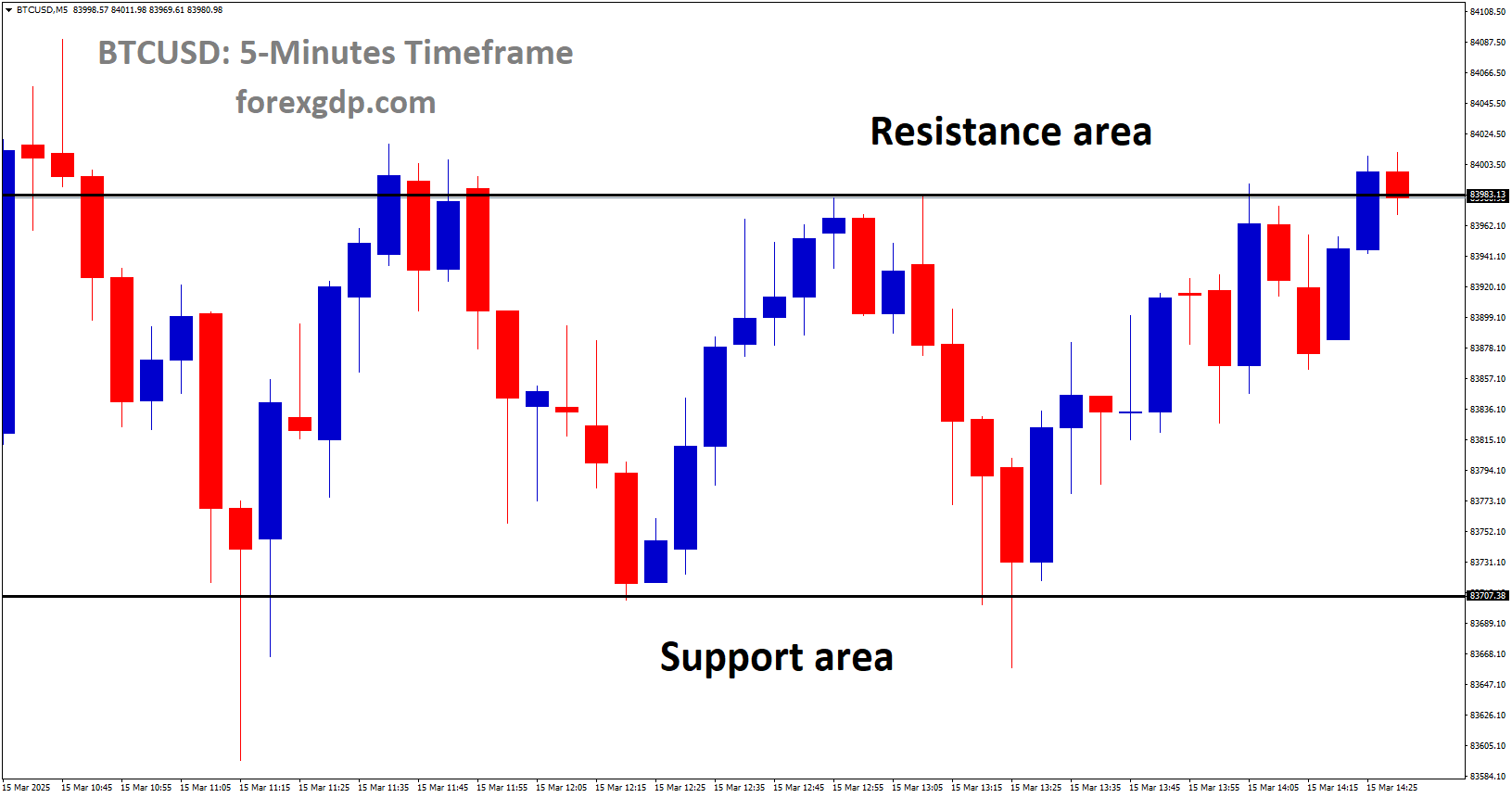
Utilize Technical Analysis: Employing technical analysis tools, such as moving averages and the Relative Strength Index (RSI), can assist traders in identifying potential entry and exit points. These tools help traders analyze historical price movements and make educated predictions about future price directions.
-
Consider Automated Trading: For those unable to monitor the markets consistently, automated trading systems can be advantageous. These systems execute trades based on predefined criteria, allowing traders to capitalize on market movements without constant oversight.
Conclusion
As the forex market continues to react to external pressures, including geopolitical tensions and economic uncertainty, traders must stay agile and informed. Implementing robust risk management strategies, diversifying currency pairs, and utilizing technical analysis can significantly enhance trading effectiveness. Additionally, the growing trend of automated trading offers solutions for those seeking to navigate complexities without dedicating extensive time to market observation.
The evolving nature of the forex market underscores the importance of adaptability in trading strategies. By remaining aware of global events and employing strategic tools, forex traders can position themselves to respond effectively to volatility and capitalize on opportunities.
Keywords
- Forex
- Volatility
- Trading Strategies
- Risk Management
- Geopolitical Tensions