
Emerging Market Bonds: A Strategic Opportunity Amid Rising Yields

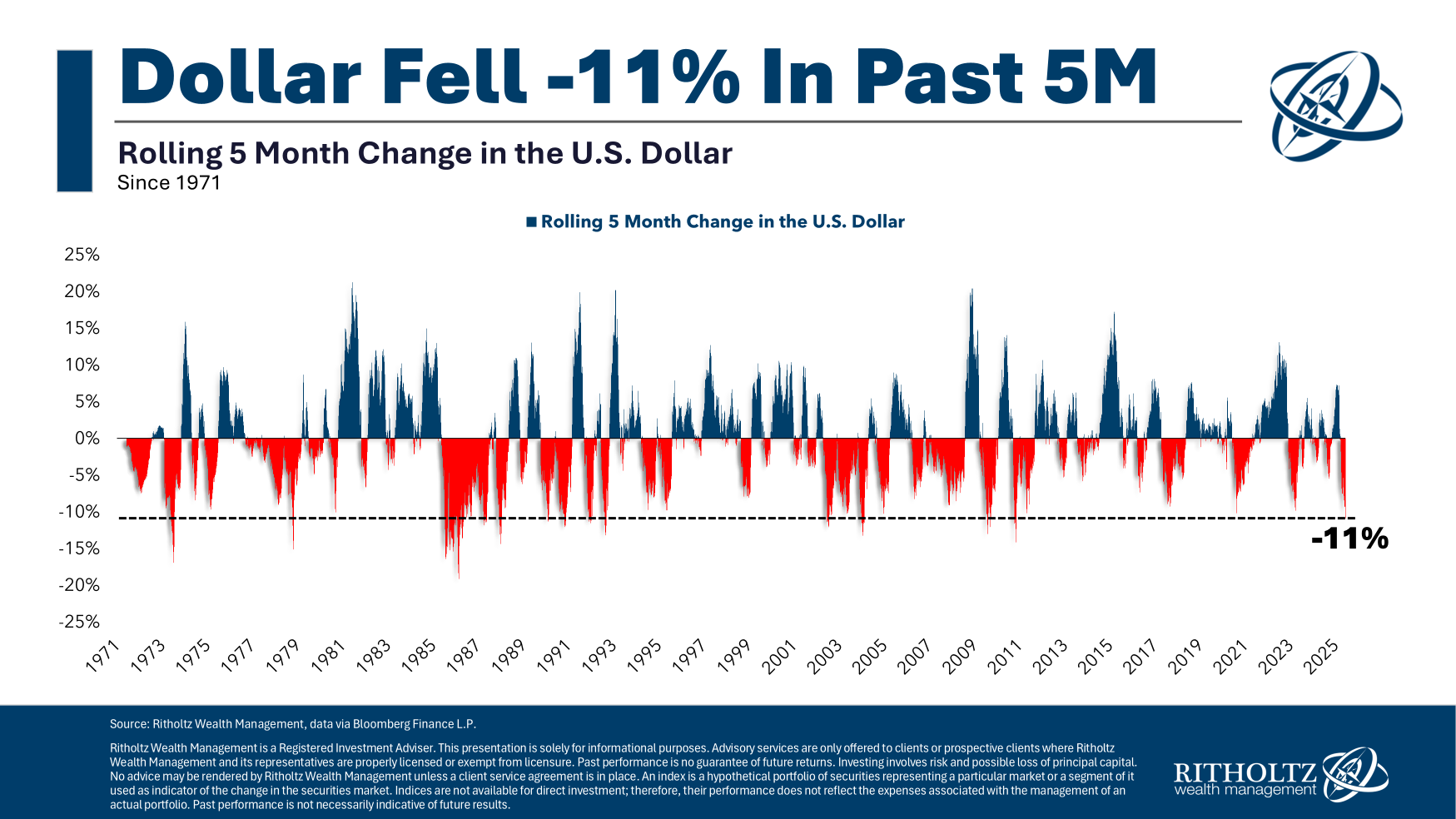
Emerging market bonds are witnessing a noteworthy resurgence, with inflows hitting $3.8 billion as of June 13, 2025—marking the highest level of investment in over a decade. This trend is primarily fueled by a weakening U.S. dollar and improving economic indicators in pivotal markets like Brazil and Mexico, establishing a fertile ground for investors seeking alternatives to traditional fixed-income securities.
Current Market Dynamics
The current yield on emerging market bonds surpasses 6%, presenting a compelling option for income-seeking investors. This yield is particularly attractive when juxtaposed against the 4.418% yield offered by U.S. Treasuries. As global interest rates rise, many investors are reassessing their portfolios, increasingly looking to emerging markets for higher returns and diversification opportunities.
Investors are keenly aware of the potential for emerging market bonds to outperform established markets, especially in light of recent trends that show these bonds capturing significant investor interest. According to a report by Reuters, emerging market bond funds have seen eight consecutive weeks of inflows, indicating a pronounced shift in market sentiment that could reshape investment landscapes.
Risks and Considerations
Despite the alluring prospects of high yields, investing in emerging market debt is not without its challenges. The inherent risks associated with these bonds—such as political instability, economic volatility, and currency fluctuations—pose significant considerations for investors. These factors underscore the necessity of a diversified investment strategy.
For example, in regions where political landscapes are uncertain, the potential for sudden market corrections can expose investors to losses. Therefore, while the potential returns from emerging market bonds can be significantly higher, they come with a trade-off that necessitates careful analysis and risk management.
"Emerging markets can provide lucrative opportunities for yield, but investors must navigate the political risks carefully," says Michael Vernier, Head of Fixed Income Strategy at Barclays Private Bank. "A diversified approach can help mitigate some of these risks while allowing investors to capitalize on the potential benefits."
The Case for Diversification
As investors weigh the risks and rewards associated with emerging market bonds, a diversified investment strategy becomes essential. By spreading investments across various regions and sectors within emerging markets, investors can potentially reduce exposure to localized risks while enhancing overall portfolio performance.
Considerations for diversification might include mixing high-yield corporate bonds from developing economies with sovereign debt, or incorporating funds that focus on specific regions or industries that show robust growth potential. This approach not only cushions against market volatility but also allows investors to tap into different economic cycles prevalent in various countries.
Conclusion
As emerging market bonds continue to attract significant investor interest, they represent a strategic opportunity for those looking to enhance yield and diversify their fixed-income portfolios. The current economic climate, characterized by a weaker dollar and improving fundamentals in key markets, supports the growing appeal of these bonds.
Nevertheless, careful consideration of the associated risks will be crucial for successful investments in this space. Investors are advised to conduct thorough research and maintain a diversified investment strategy that aligns with their risk tolerance and financial goals.
For those looking to explore this opportunity, the evolving landscape of emerging market bonds presents a compelling case for reconsideration within broader investment portfolios.
References
- Reuters: Emerging Market Local Currency Debt
- Additional insights can be obtained from financial platforms such as Bloomberg and Morningstar.