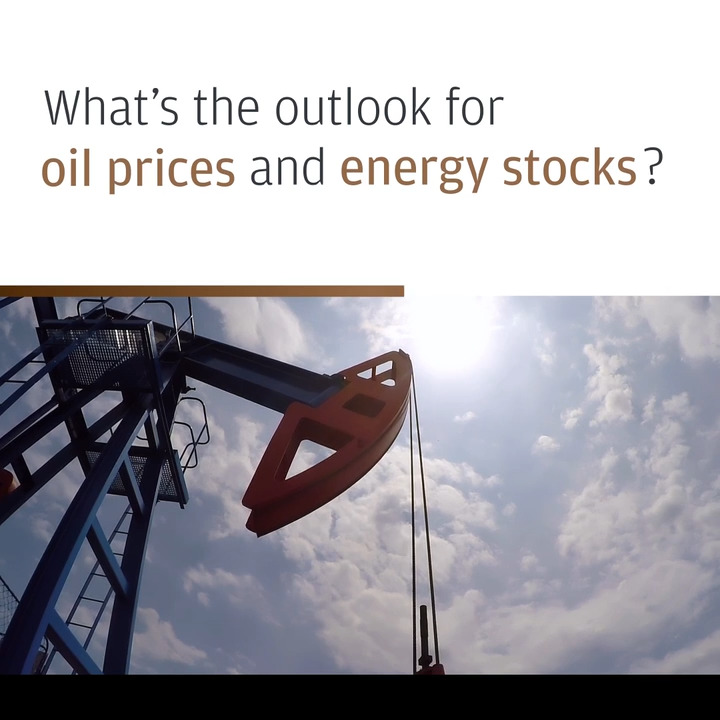

Oil Market Dynamics: Navigating Price Surges Amid Geopolitical Tensions
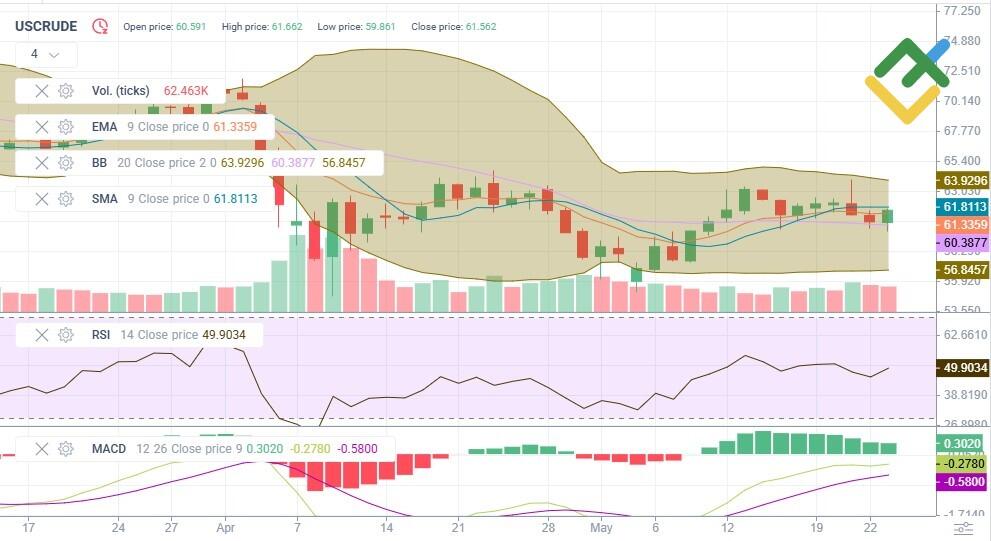
As geopolitical tensions escalate in the Middle East, particularly due to rising conflicts involving Israel and Iran, the oil market is facing significant price surges. As of June 16, 2025, Brent crude oil prices soared to $74.31 per barrel, marking a 12% increase over the past month. This spike in prices has compelled investors to reassess their strategies within the commodities market, seeking ways to navigate this increasingly volatile environment.
Factors Influencing Oil Prices
-
Geopolitical Tensions
The ongoing conflict between Israel and Iran has intensified fears of potential disruptions in oil supply routes, particularly through the Strait of Hormuz. This narrow passageway serves as a critical chokepoint for global oil shipments, handling approximately 20% of the world's oil supply. According to analysts, any escalation in military actions could severely impact shipping and increase prices further. As one analyst noted, "Tensions in the Middle East directly correlate with oil supply stability; hence, rising hostilities will invariably lead to price hikes in the oil market." -
Supply Chain Dynamics
The Organization of the Petroleum Exporting Countries (OPEC+) has implemented production cuts in an attempt to stabilize prices amidst fluctuating global demand. However, with the geopolitical landscape becoming more precarious, any further instability could exacerbate existing supply constraints, leading to even higher prices. According to OPEC's latest report, "Continued adherence to production cuts is essential to maintain price stability, but external factors such as geopolitical tensions pose significant risks." -
Market Sentiment
Investor sentiment has shifted dramatically towards risk aversion. Many investors are now viewing oil as a hedge against inflation and economic uncertainty, further driving up demand. A recent survey indicated that 71% of investors considered energy assets as a safer investment during periods of geopolitical tension, revealing a stark shift in portfolio strategies.
Investment Strategies
In light of the current market dynamics, investors are encouraged to adopt strategic approaches to mitigate risk and capitalize on opportunities:
-
Diversification
To manage exposure effectively, investors should consider diversifying their portfolios by including energy stocks and exchange-traded funds (ETFs) related to oil. This strategy provides exposure to the oil market while mitigating direct commodity risk. The Energy Select Sector SPDR Fund (XLE), for instance, has shown resilience, with returns reflecting the underlying movements in crude oil prices. -
Futures Contracts
Utilizing futures contracts can be an effective way to hedge against price volatility. By locking in prices, investors can manage their risk more effectively and safeguard their investments against sudden market shifts. For example, buying Brent crude futures contracts could serve as a protective measure against expected price increases stemming from geopolitical instability. -
Monitoring Global Events
Staying informed about geopolitical developments and their potential impact on oil prices is crucial for making timely investment decisions. Analysts recommend using resources such as the Energy Information Administration (EIA) and reputable financial news platforms to track significant developments that could affect supply and demand dynamics in the oil market.
Conclusion
The current landscape of the oil market presents both challenges and opportunities for investors. With price surges driven primarily by geopolitical tensions, particularly in the Middle East, stakeholders must remain vigilant and strategic. By understanding the underlying factors that drive oil price movements and employing diversified investment approaches, investors can navigate this volatile environment more effectively. As the situation evolves, the ability to adapt and respond swiftly to changing market conditions will be key to capitalizing on opportunities within the oil market.
In this volatile period, it is essential for investors to reassess their risk profiles and investment strategies, leaning towards a more diversified and informed approach to remain resilient in the face of uncertainty. As the geopolitical climate continues to evolve, so too will the strategies employed by savvy investors in the oil sector.
For more insights on oil market dynamics and price forecasts, refer to resources such as ING's Commodities Feed and other financial news outlets.