Gold ETFs Outperform Bitcoin Funds in 2025: A Market Analysis
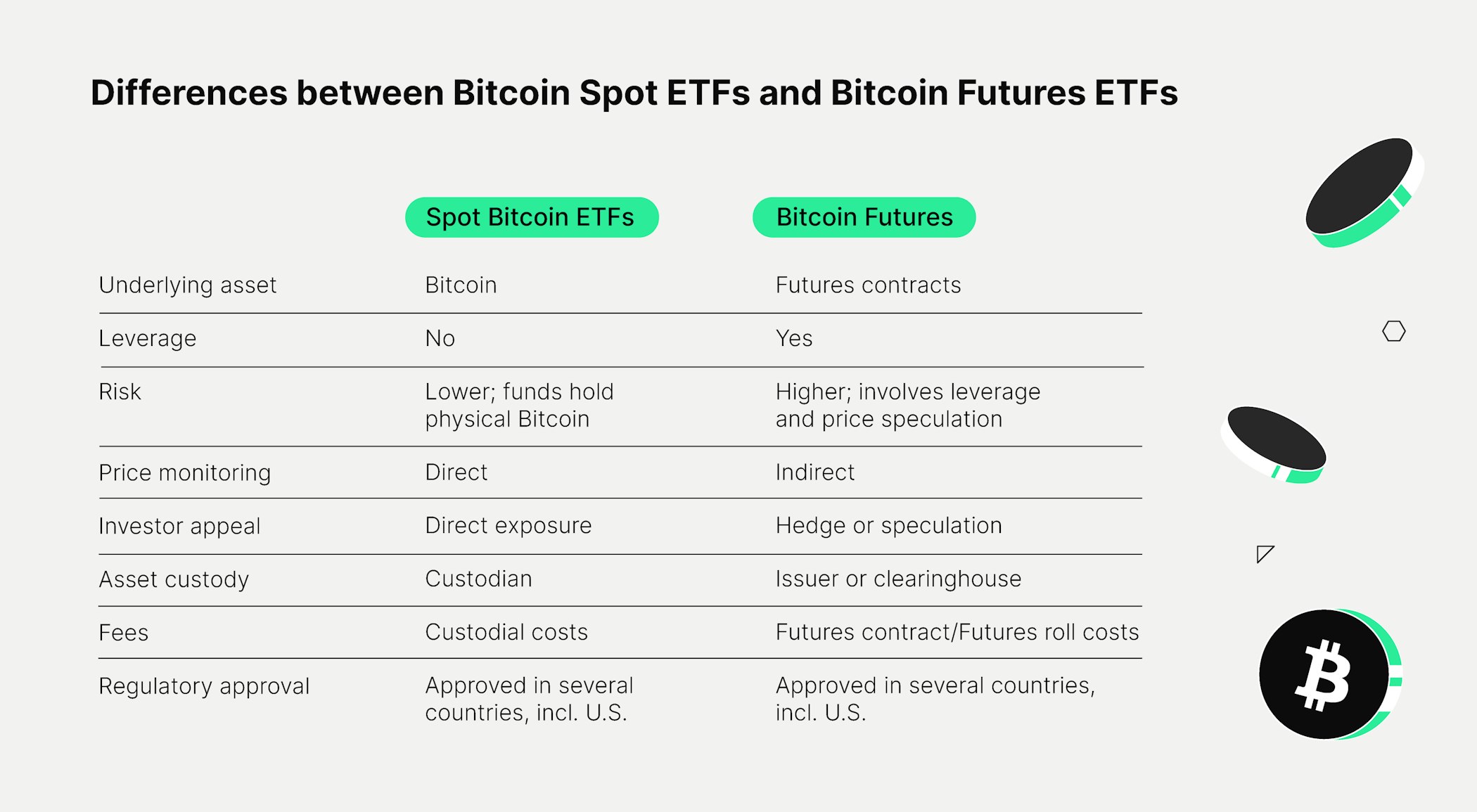
In a year marked by economic uncertainty, investors have displayed a distinct preference for traditional safe-haven assets over their more volatile cryptocurrency counterparts. As of June 30, 2025, the SPDR Gold Shares ETF (GLD) has outshined Bitcoin funds, achieving a notable year-to-date return of 24.4%. This remarkable performance starkly contrasts with Bitcoin ETFs, such as the iShares Bitcoin Trust (IBTC), which have struggled to gain traction amidst a climate of fluctuating prices and regulatory challenges.

Performance Metrics
The divergence in performance between Gold ETFs and Bitcoin funds can be attributed to several critical factors:
-
Market Stability: Historically, gold has been viewed as a safe-haven asset, particularly during economic downturns or periods of geopolitical instability. In contrast, Bitcoin's notorious volatility has continued to deter conservative investors seeking stability in their portfolios. According to data from ETF.com, the SPDR Gold Shares ETF has benefited significantly from this sentiment, as investors pivot toward more stable assets.
-
Inflation Hedge: With persistent inflationary pressures affecting global economies, gold has resurfaced as a preferred hedge against inflation. The World Bank and the International Monetary Fund (IMF) have indicated that inflation rates are projected to remain elevated, prompting investors to flock to Gold ETFs. As noted by financial analysts, this trend has contributed to a substantial increase in demand for gold, further fortifying its market position.
-
Institutional Interest: The resurgence of institutional interest in gold has played a pivotal role in its strong performance. Major asset managers, including BlackRock and Vanguard, have reportedly increased their allocations to gold in response to macroeconomic indicators suggesting a potential recession. This institutional backing has provided a significant boost to Gold ETFs, reinforcing their appeal to retail investors as well.
Investor Sentiment
The shift in investor sentiment is palpable. Many are now viewing gold as a more reliable store of value compared to cryptocurrencies. A recent survey conducted by Fidelity Investments revealed that 68% of investors perceive gold as a safer investment during times of economic turmoil, compared to only 32% who feel the same way about Bitcoin. This growing skepticism surrounding the long-term viability of Bitcoin as an investment vehicle has raised questions about its place in diversified portfolios.
In a statement, Rahul Kapoor, an investment analyst at Goldman Sachs, commented, "Gold has consistently proven to be a stable asset during turbulent times. Investors are rightly cautious about Bitcoin's volatility and are choosing to prioritize stability over potential high returns."
Regulatory Environment
The regulatory landscape surrounding cryptocurrencies has also contributed to the underperformance of Bitcoin funds. Increasing scrutiny from regulatory bodies, particularly in the United States and Europe, has created an environment of uncertainty for Bitcoin investors. The U.S. Securities and Exchange Commission (SEC) has ramped up its efforts to impose regulations on cryptocurrency exchanges and funds, leading to a chilling effect on investment inflows. This regulatory pressure contrasts sharply with the more established framework surrounding Gold ETFs, which operate under well-defined guidelines and regulations.
Comparative Analysis
To further understand the performance dynamics, a comparative analysis of the two asset classes reveals essential insights:
-
Year-to-Date Returns: As mentioned, the SPDR Gold Shares ETF has recorded a year-to-date return of 24.4%, while the iShares Bitcoin Trust has struggled to maintain positive performance, resulting in a year-to-date decline of approximately 15%. This stark contrast highlights the prevailing preference for traditional assets in the current economic climate.
-
Volatility: The rolling 30-day volatility of Bitcoin remains significantly higher than that of gold. Current data indicates that Bitcoin's volatility is approximately 70%, compared to gold's more stable 15%. Such volatility poses risks that many investors are unwilling to take, given the current uncertainties in global financial markets.
-
Market Capitalization: As of mid-2025, the total market capitalization of gold has surpassed $12 trillion, while Bitcoin's market cap has fallen below $600 billion. This shifting landscape demonstrates gold's enduring appeal as a store of value, especially in the face of economic challenges.
Future Outlook
Looking ahead, the trajectory suggests that Gold ETFs will continue to attract significant investor interest as we progress further into 2025. Analysts predict that the ongoing inflationary environment combined with geopolitical uncertainties will further bolster gold's appeal, making it a staple in diversified portfolios.
Conversely, Bitcoin funds may need to reassess their strategies to regain market confidence. The cryptocurrency landscape is evolving, and only those funds that can adapt to regulatory changes and market demands are likely to survive in the long run. Many industry experts believe that Bitcoin needs to establish a more stable use case and improve its regulatory compliance to enhance its attractiveness to both retail and institutional investors.
Conclusion
In summary, the current market dynamics underscore the resilience of Gold ETFs compared to Bitcoin funds. As investors prioritize stability and inflation hedging in a turbulent economic landscape, gold has reaffirmed its status as a reliable asset. The shift in investor sentiment, coupled with institutional backing and regulatory clarity, positions Gold ETFs for continued success in 2025 and beyond. Investors should take these dynamics into consideration when evaluating their portfolios and investment strategies moving forward.
For more detailed analysis and insights, visit ETF Trends and Morningstar.
Ultimately, as we navigate through the complexities of today's financial landscape, Gold ETFs appear poised to maintain their momentum, while Bitcoin funds face an uphill battle in regaining investor trust.