Evaluating the Impact of Recent Trade Policies on Stock Market Performance
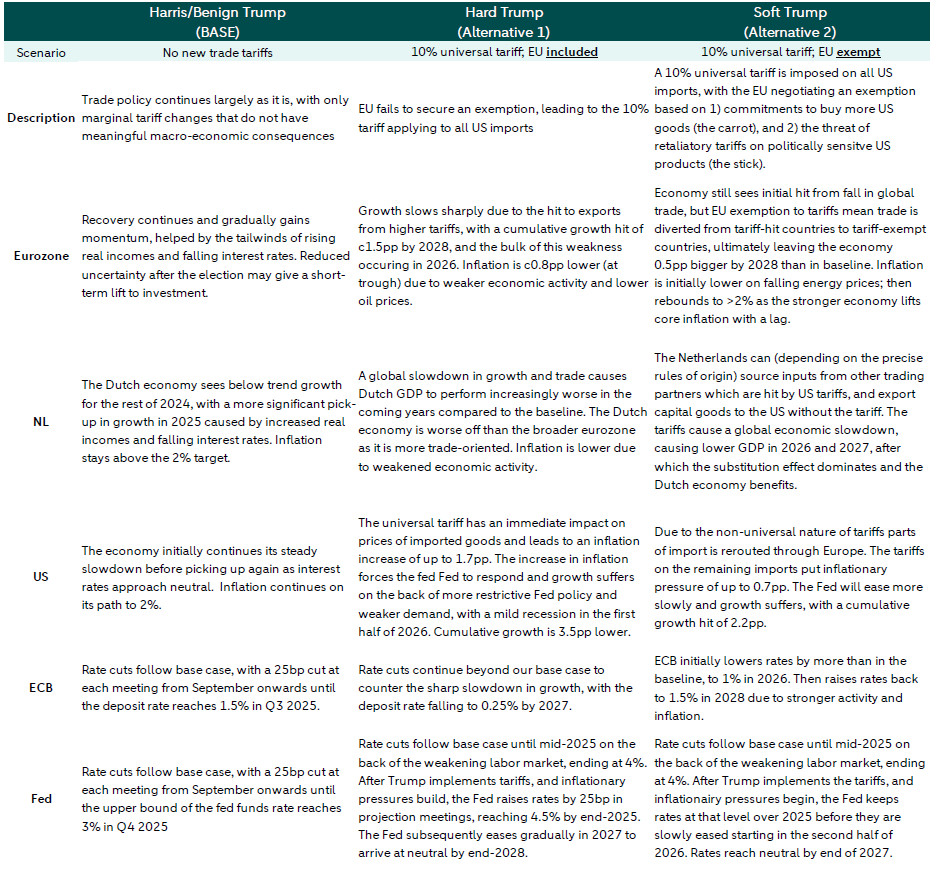
In a significant move that has sent ripples through financial markets, President Trump announced a 20% tariff on Vietnamese goods, prompting investors to reassess their portfolios and anticipate the potential consequences on stock market dynamics. This tariff, part of a broader strategy to reshape U.S. trade relationships, raises pertinent questions regarding inflationary pressures and potential disruptions within the global supply chain.
Market Reaction
The market response to the tariff announcement has been decidedly mixed. As of July 2, 2025, the Nasdaq Composite Index demonstrated resilience, rebounding as technology stocks showed some strength. Conversely, broader indices like the S&P 500 faced downward pressure, indicating a cautious sentiment among investors. The volatility can be attributed to concerns over how tariffs will influence consumer prices and corporate earnings, especially in sectors heavily dependent on imports from Vietnam.
According to the latest updates from The Wall Street Journal, analysts observe that "the market is on wobbly footing as it navigates these new trade realities." The apprehension is evident as traders assess potential inflationary impacts and explore the implications of retaliatory tariffs from trading partners.
Sector Analysis
1. Consumer Goods
The consumer goods sector stands to face significant challenges due to the increased costs associated with the tariffs. Companies that rely heavily on imported goods may opt to pass these costs onto consumers, leading to higher retail prices. This sector's performance will be pivotal in determining overall market sentiment, as it reflects how consumers adapt to rising costs and changing economic conditions.
2. Technology
The technology sector, particularly firms with substantial exposure to Vietnamese manufacturing, may experience heightened volatility. Notable companies like Apple Inc. (AAPL) and Intel Corp. (INTC) must be scrutinized for potential impacts. Increased production costs could affect profit margins and, consequently, stock valuations. Moreover, any disruption in supply chains could hinder technological advancements and innovation, critical to maintaining competitive advantages in a rapidly evolving market.
3. Manufacturing
U.S. manufacturers might find a silver lining in reduced competition from imported goods. However, they may also face higher input costs, complicating profit margins. With tariffs in place, the dynamics of domestic and international competition will be altered, necessitating a strategic reassessment for manufacturers looking to optimize their operations while managing costs.
Expert Insights
Market experts are weighing the long-term implications of these tariffs. While they could theoretically protect domestic industries, there is a palpable risk of retaliatory measures from other nations, potentially escalating into a full-blown trade war. “The threat of retaliatory tariffs is a looming shadow over the market, and investors must remain agile in their strategies,” remarked a senior analyst at Goldman Sachs.
Moreover, economists warn that tariffs can lead to unintended consequences, such as increased prices for consumers and disruptions in global trade flows. The complexity of the situation requires vigilant monitoring of sector performance and geopolitical developments.
Conclusion
In light of these recent developments, investors are urged to remain vigilant and consider diversifying their portfolios to mitigate risks associated with evolving trade policies. Continuous monitoring of sector performance and economic indicators will be crucial in making informed investment decisions. The interplay between tariffs, corporate earnings, and market sentiment will shape the investment landscape in the coming months, and a proactive approach will be essential for navigating this uncertain terrain.

As the situation unfolds, stakeholders in the financial markets must keep a close eye on policy developments and their broader implications, gearing up for a landscape that may demand agility and strategic foresight in investment practices.
For more detailed updates and real-time insights, investors can refer to sources like CNBC and The Wall Street Journal.
Keywords
Trade Policy, Tariffs, Stock Market, Investor Sentiment, Economic Impact