
Bullish Sentiment Prevails as U.S. Stocks Reach New Heights
Date: July 3, 2025
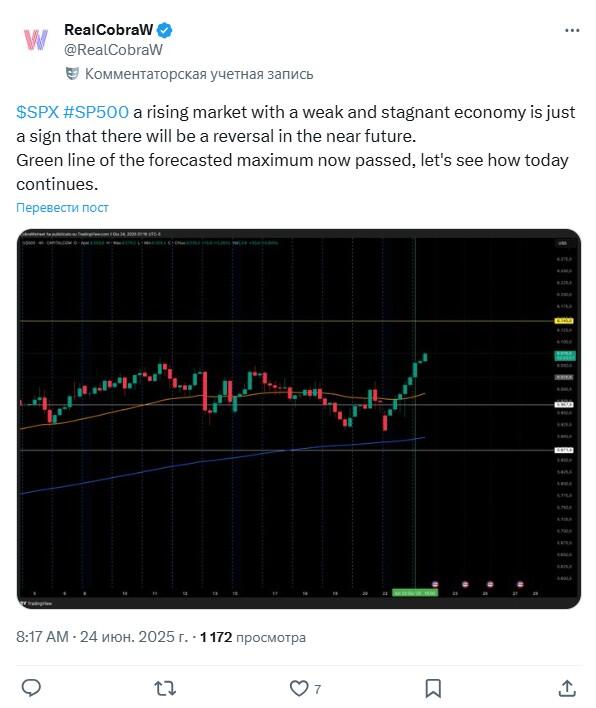
As the curtain falls on the first half of 2025, U.S. stock markets are witnessing an unprecedented resurgence. The S&P 500 and Nasdaq have both achieved record highs, leading to a wave of bullish sentiment among investors. This remarkable recovery comes on the heels of a tumultuous economic landscape, raising questions about the underlying factors contributing to this shift and what investors can expect in the coming months.
Overview
The U.S. stock market has shown remarkable resilience in the first half of 2025, with the S&P 500 up over 6% year-to-date as of July 2. This surge reflects strong underlying economic indicators and a renewed investor appetite, despite earlier concerns about inflation, interest rates, and geopolitical tensions.
Key Drivers of Market Performance
-
Strong Economic Indicators
Investors have responded positively to a surprisingly robust employment report for June, which revealed an addition of 400,000 jobs, significantly surpassing analyst estimates. This healthy labor market is a crucial component for sustained economic growth, providing consumers with disposable income and boosting overall confidence in the market.
-
Easing Trade Tensions
A recent easing of trade barriers, particularly the reduction of tariffs on Vietnamese goods as announced by President Trump, has had a favorable impact on sectors reliant on international trade. The market's response has been overwhelmingly positive, with sectors such as technology and consumer goods rallying as a direct result.
-
Investor Behavior
Despite volatility, a clear shift in investor sentiment is apparent. Many are returning to the market, driven by the allure of growth opportunities and a favorable earnings outlook. Recent reports indicate significant capital inflows into equities, suggesting a preference for stock investments over bonds in the current climate. According to Edward Jones, “Investors are advised to maintain a diversified portfolio, focusing on sectors with strong fundamentals.”
Future Outlook
Looking ahead, analysts suggest that the second half of 2025 may continue to favor U.S. equities, particularly large-cap and mid-cap stocks. The anticipated easing cycle by the Federal Reserve is expected to further support stock prices, especially as the U.S. grapples with government deficit concerns that may keep Treasury yields rangebound.
Market analysts emphasize the importance of strategic allocation: “While international bonds currently offer lower yields, we recommend focusing on U.S. equities for greater growth potential,” stated a summary from recent investment strategies shared by CFRA.

Challenges and Considerations
While the outlook remains optimistic, the U.S. economy is not without its challenges. Inflation rates hovering around 4.5% and a sluggish growth forecast raise concerns about potential market corrections. Analysts note that high valuations, with the S&P 500 trading at a price-to-earnings (P/E) ratio of 24.5, could lead to volatility in the near future.
Investors should exercise caution and remain adaptable. “Maintaining a well-diversified portfolio with opportunistic tilts can help investors take advantage of opportunities and market fluctuations,” remarked an expert from Goldman Sachs.
Conclusion
As the market enters the second half of 2025, the combination of strong economic indicators, easing trade tensions, and bullish investor sentiment presents a favorable outlook for U.S. stocks. For those looking to invest, the current environment suggests that focusing on large-cap and mid-cap stocks may yield advantageous results. However, it remains crucial for investors to stay vigilant and adaptable to navigate potential market fluctuations while capitalizing on growth opportunities.
Continuing this momentum will depend on forthcoming economic reports and the Federal Reserve's policy decisions. For ongoing updates, investors can follow sources like CNN, CNBC, and Edward Jones.

In this dynamic and fast-paced environment, aligning investment strategies with evolving market conditions will be essential for achieving financial goals.