
Navigating the Fixed Income Landscape: Opportunities Amidst Market Volatility
As the Federal Reserve (Fed) signals an impending shift in its monetary policy, U.S. investors are poised to reassess their bond portfolios amidst evolving economic conditions. With expectations of interest rate cuts in the latter half of 2025, the focus is shifting toward a strategic engagement with the seven- to ten-year maturity segment of U.S. investment-grade bonds. This area promises higher yields and reduced risk associated with rising interest rates, attracting the attention of both retail and institutional investors.

Current Market Conditions
Recent analyses have indicated that the yield on the 10-year U.S. Treasury bond is likely to stabilize between 4% and 4.5% as the Fed approaches its anticipated rate cuts, projected to commence as early as September 2025. Historical data suggests that such rate cuts typically lead to increased demand for longer-duration bonds, which tend to appreciate as yields decline. According to Edward Jones, the yields might remain rangebound, but investors should remain alert to market movements that could temporarily disrupt this trend.
The Federal Reserve's Role
The Fed's monetary policy decisions are crucial in shaping the fixed income landscape. With U.S. economic growth showing signs of slowing, the Fed is expected to navigate a delicate balancing act. Analysts project two interest rate cuts in the latter half of 2025, which would likely exert downward pressure on yields. This prospect is compounded by concerns surrounding potential stagflation—higher inflation paired with stagnant growth—due to ongoing geopolitical tensions and trade challenges.
Investment Strategies
With these dynamics in mind, investors are advised to adopt a targeted approach to their bond investments, particularly honing in on the seven- to ten-year segment of U.S. investment-grade bonds. This strategy offers several advantages:
- Extended Duration: By focusing on intermediate- to long-term bonds, investors can lock in competitive yields for a longer duration, thereby insulating themselves from potential interest rate spikes in future economic recoveries.
- Mitigated Risks: Bonds in this maturity range are less exposed to fears regarding widening government budget deficits compared to longer-dated securities, such as 30-year bonds. This reduced exposure makes them an attractive option during periods of economic uncertainty.
Recommendations for Investors
-
Lock in Higher Yields: By extending duration within the investment-grade bond spectrum, investors can benefit from locking in yields that are currently favorable amidst fluctuating interest rates.

-
Diversification: A well-diversified portfolio that incorporates a blend of growth and value sectors can help buffer against market volatility. This strategy is particularly relevant now, as investors may find stability in bonds while navigating the more turbulent equity markets.
-
Continuous Monitoring: Keeping a close watch on economic indicators and Fed announcements will be critical in making informed investment decisions. As FactSet highlights, understanding the interplay between economic data and market conditions is essential for optimizing bond strategies.
Economic Indicators to Watch
Key economic indicators that investors should monitor include:
- Inflation Rates: Rising inflation can erode bond returns, making it essential to assess its trajectory closely.
- Employment Data: Job growth reports will provide insights into consumer spending and overall economic health, influencing Fed policy decisions.
- Treasury Yield Movements: Fluctuations in Treasury yields can offer clues about investor sentiment and broader market trends.
Conclusion
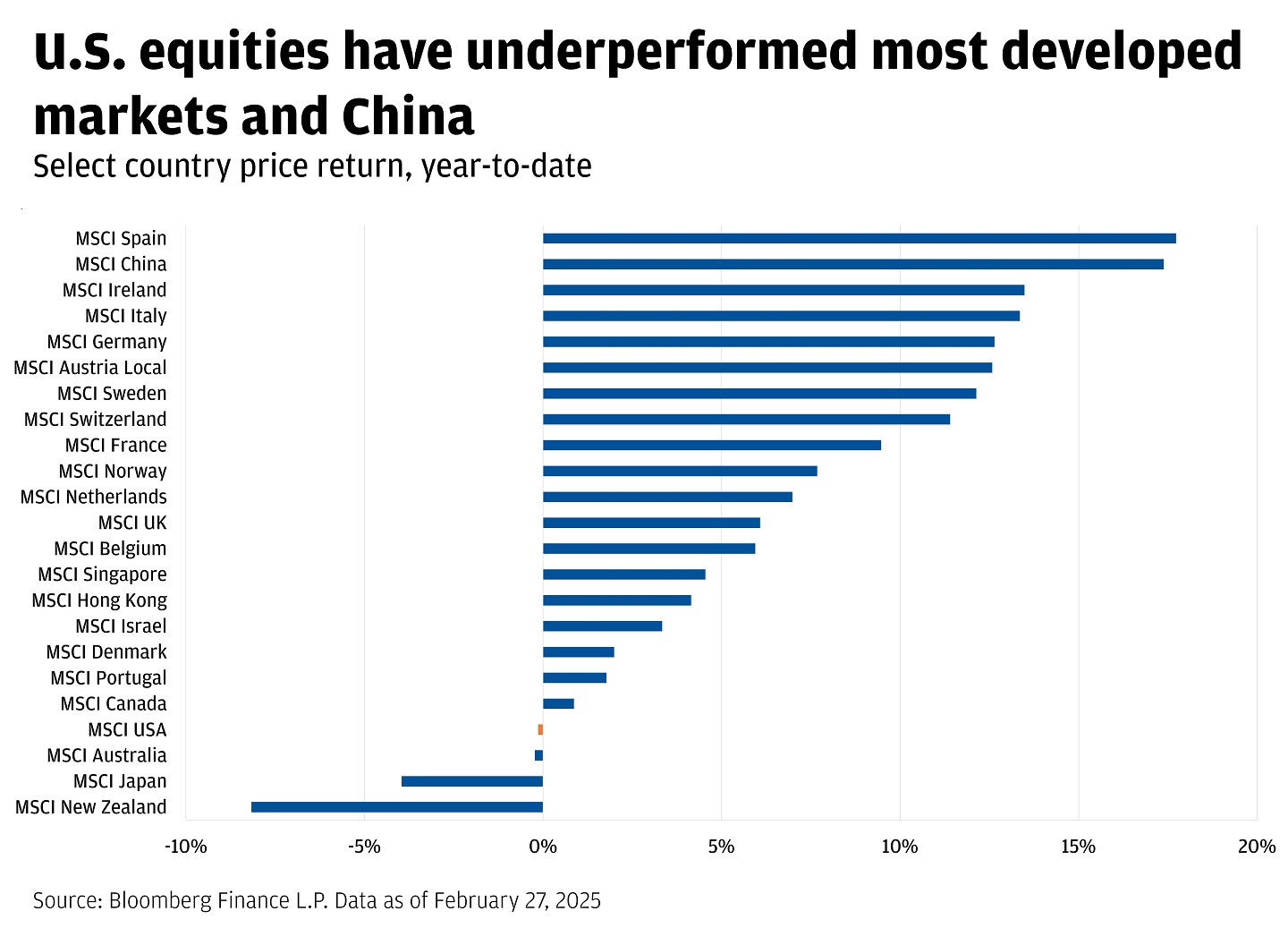
As the financial landscape evolves, investors must remain agile, leveraging opportunities within the fixed income market while being conscious of the broader economic implications. The seven- to ten-year maturity segment of U.S. investment-grade bonds represents a unique opportunity that combines yield potential with relative safety, particularly in a volatile market. By maintaining a diversified portfolio and staying informed about economic indicators, investors can navigate the complexities of the fixed income landscape effectively.
As always, it is advisable for investors to consult with financial advisors to tailor strategies that align with their individual risk tolerance and investment objectives. For further insights, resources such as CNBC and Yahoo Finance can provide valuable market intelligence.
This article aims to encapsulate the current dynamics of the fixed income market, offering actionable insights and strategies that highlight the potential for investment-grade bonds amidst changing economic conditions.