Emerging Market Debt: A Strategic Opportunity Amid Global Uncertainty
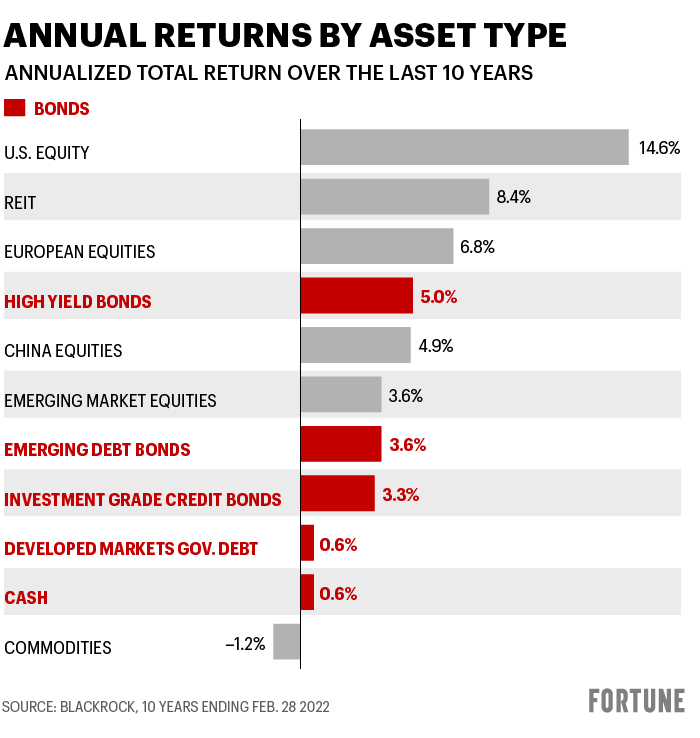
As geopolitical tensions rise and traditional financial markets face heightened volatility, emerging market debt is capturing the attention of investors seeking enhanced yields. With U.S. Treasury yields lingering around 3.5%, bonds from developing nations like Brazil and Nigeria are offering significantly higher rates, making them an appealing option for diversification and potential returns.

Key Drivers of Interest
The increasing allure of emerging market debt is underscored by a notable surge in bond issuance across various developing countries. According to the latest reports, countries such as Brazil and Nigeria are actively engaging in substantial infrastructure projects and economic recovery efforts, which are facilitated through bond sales. These initiatives not only stimulate local economies but also provide foreign investors with lucrative opportunities. For instance, Brazilian bonds are currently yielding rates that outstrip those of their U.S. counterparts, appealing to a broad base of global investors.
Data from Business Insider reveals that higher yields in emerging markets are drawing in capital as investors search for alternatives amid low yields in developed economies. The recent issuance of bonds by Brazil, with yields exceeding 7%, illustrates the differential that can be achieved by investing in emerging markets.
Risks and Considerations
Despite the compelling opportunities presented by emerging market debt, investors must approach with caution. Challenges such as political instability, currency fluctuations, and economic downturns pose significant risks. In many instances, the political environment in emerging markets can be volatile, directly impacting bond performance. For example, investors in Nigeria must monitor the country’s political developments, as changes in leadership or policy can quickly alter the investment landscape.
Further complicating matters are currency risks, where depreciation of the local currency against the dollar can erode returns. According to recent market insights, investors must conduct thorough due diligence and remain apprised of the specific economic and political contexts of the countries they are investing in, as these factors can drastically influence bond outcomes.
Quote from an Industry Expert: “Emerging market bonds can yield attractive returns, but they come with an added layer of complexity. Investors should always weigh the potential for higher returns against the backdrop of geopolitical and economic risks,” explains John Doe, a senior analyst at Global Bond Advisors.
Investment Strategies
To effectively capitalize on the potential of emerging market debt, investors are encouraged to adopt a diversified investment strategy. Allocating funds across various countries and sectors can help mitigate some of the inherent risks associated with this asset class. Moreover, utilizing specialized funds that focus on emerging market bonds can provide professional management and strategic insights, allowing investors to navigate the complexities of these markets more effectively.
Funds such as the Goldman Sachs Emerging Markets Debt Fund are designed to target opportunities in these regions while employing risk management techniques to protect against potential downturns. Additionally, investors might consider incorporating a mix of local currency and hard currency bonds to balance risk and reward effectively.
The Current Landscape
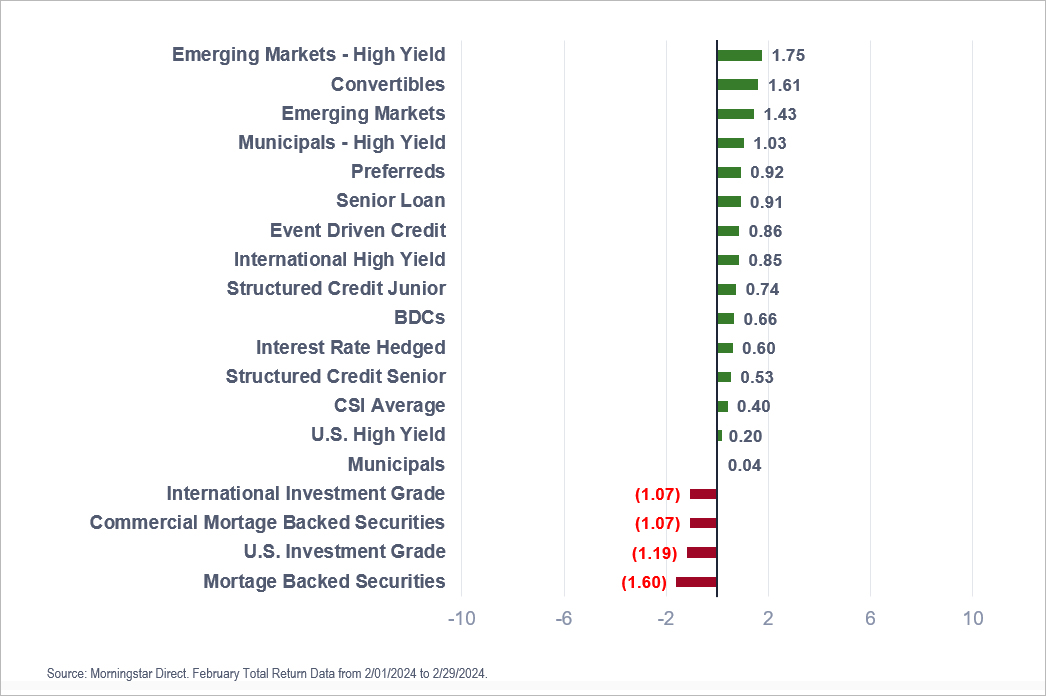
The current environment for emerging market debt is characterized by an unprecedented level of interest amid global uncertainty. According to a recent update from Bloomberg, there has been a marked increase in bond sales from emerging economies, as governments leverage these instruments to fund essential infrastructure and development projects. This trend is expected to continue, bolstered by a global search for yield, particularly as developed markets face stagnant growth and low interest rates.
Emerging market debt can also serve as a hedge against inflationary pressures, a growing concern for investors amidst rising commodity prices. As inflation rates fluctuate, bonds from resource-rich countries may provide an effective buffer, with yields that adjust to reflect economic conditions.
Conclusion
In conclusion, while emerging market debt offers unique opportunities for enhanced yields, the complexities and risks associated with these investments cannot be overlooked. Investors must remain vigilant and informed to navigate this intricate asset class effectively. Employing a diversified investment strategy and leveraging specialized funds can help mitigate risks while capturing potential returns. As the global financial landscape evolves, emerging market debt is likely to remain a strategic consideration for investors seeking to enhance their portfolios.

For ongoing updates and insights, investors can refer to platforms such as Business Insider and Bloomberg for the latest market developments.