The Resurgence of Platinum: Analyzing Market Dynamics and Investment Opportunities
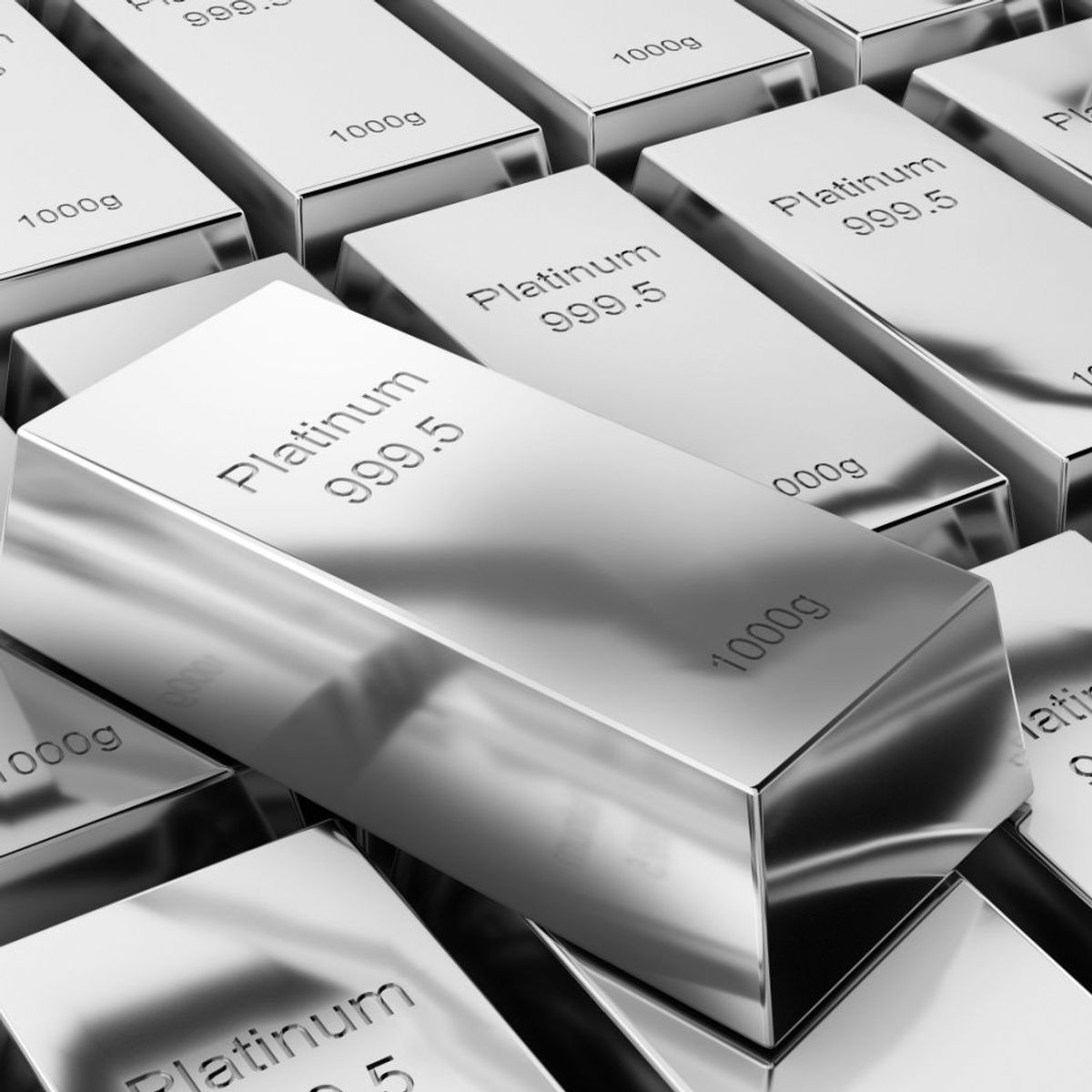
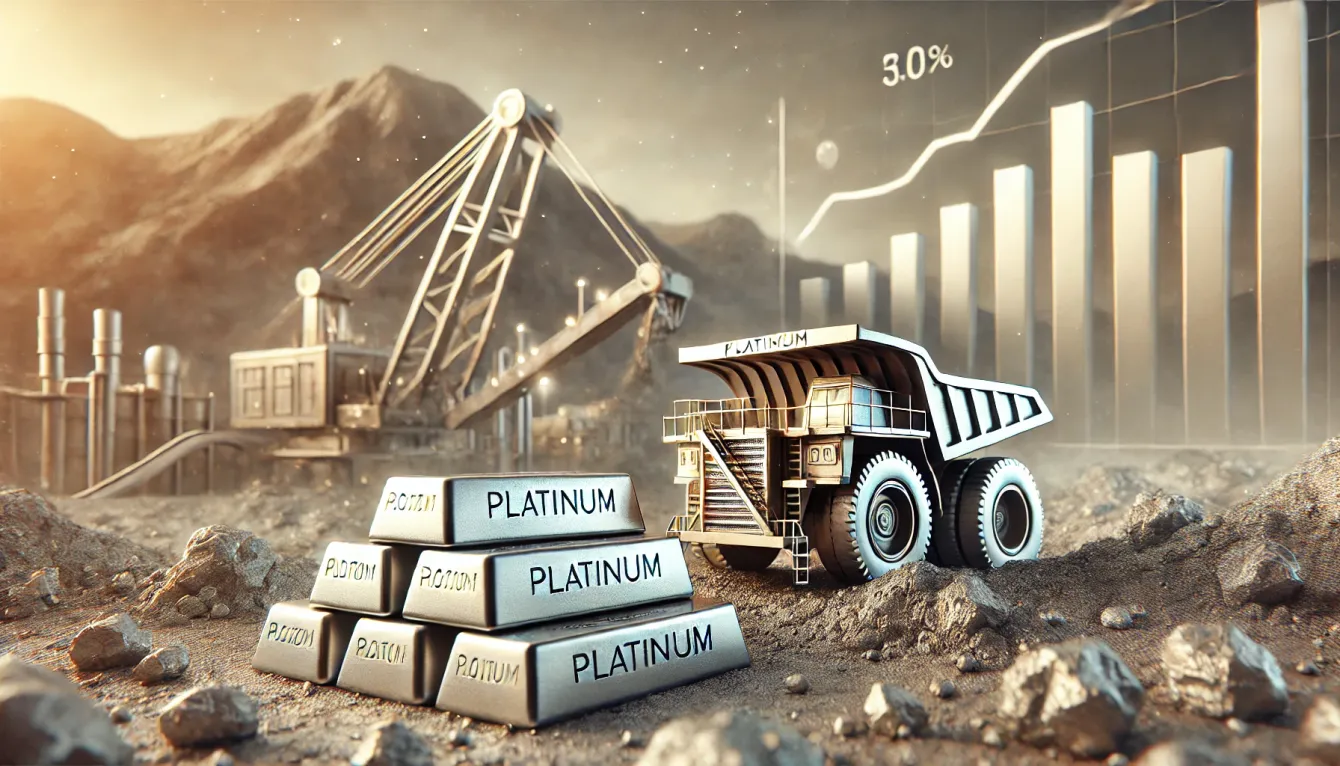
In recent months, platinum has emerged as a standout performer in the commodities market, with prices surging to approximately $1,200 per ounce. This dramatic resurgence is primarily attributed to robust demand from the automotive sector and a significant increase in jewelry consumption. As investors seek alternatives to traditional precious metals like gold and silver, the dynamics surrounding platinum's market position warrant a closer examination.
Market Dynamics
Platinum's market dynamics are uniquely influenced by its industrial applications, particularly in the automotive and jewelry sectors. According to industry reports, nearly 40% of platinum consumption is driven by the automotive industry, where it is primarily used in catalytic converters to reduce harmful emissions. As automakers ramp up production in response to recovering consumer demand post-pandemic, platinum's significance is set to rise. The rebound in automotive production is reflected in recent statistics, showing a notable increase in vehicle sales worldwide.
Simultaneously, the jewelry sector has reported a remarkable 25% year-on-year increase in platinum demand. This resurgence can be attributed to a growing consumer preference for platinum over gold and silver, driven by its durability and prestige. As consumers become more conscious of their purchasing choices, the allure of platinum jewelry, particularly in Asian markets, is expected to further enhance its appeal.
Investment Implications
For investors, the ongoing growth in platinum demand presents a compelling investment opportunity. The increase in platinum exchange-traded funds (ETFs) has been particularly striking, with a 30% rise in assets year-to-date. This trend indicates a growing confidence among investors in platinum's potential for capital appreciation amidst shifting market conditions.
However, while the outlook for platinum appears favorable, potential challenges loom on the horizon. Regulatory changes, particularly those aimed at reducing emissions, could impact platinum demand as more automakers shift toward electric vehicles (EVs). The International Energy Agency (IEA) projects that EV adoption will accelerate in the coming years, potentially disrupting the traditional automotive market and altering platinum's demand dynamics.
Strategic Considerations for Investors
Investors eyeing platinum should consider diversifying their portfolios to include both physical platinum investments and ETFs that focus on this precious metal. Diversification can mitigate risks associated with market volatility while capitalizing on the unique demand factors driving platinum prices.
Moreover, staying informed about evolving market trends, such as changes in consumer preferences and technological advancements in the automotive sector, will be crucial for making informed investment decisions. As electric vehicles gain traction, investors may need to re-evaluate their strategies concerning platinum holdings, particularly in the automotive context.
Conclusion
As platinum continues to gain traction in the commodities market, it represents a strategic opportunity for investors seeking to capitalize on its potential for growth. While the current landscape is promising, it is essential to remain vigilant regarding the market's evolving dynamics. By strategically investing in platinum, capitalizing on its unique demand factors, and maintaining a diversified portfolio, investors can position themselves to reap significant returns in the coming years.

For more detailed insights and updates, investors are encouraged to monitor resources such as Reuters and Wall Street Journal, which provide continuous coverage of market dynamics and investment opportunities in the commodities sector.