
Market Analysis: The Impact of Tariff Announcements on Global Stock Indices
Date: July 7, 2025
On July 7, 2025, global stock markets exhibited mixed performance as investors reacted to U.S. President Donald Trump's confirmation of reciprocal tariffs initially announced in April. This development has raised concerns over potential trade tensions and their impact on economic growth.
Current Market Overview
U.S. Markets
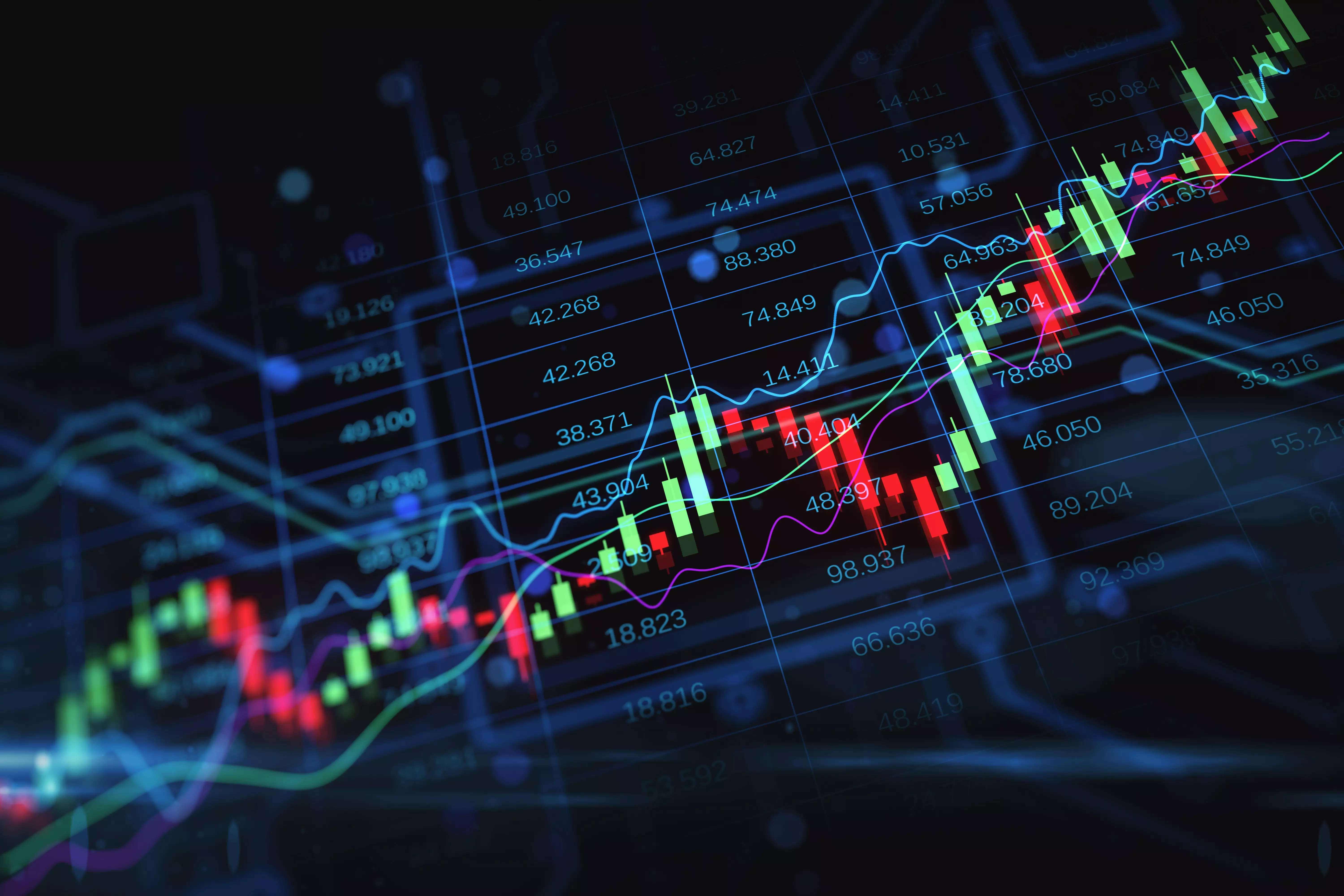
The U.S. markets are experiencing a paradoxical situation. The S&P 500 and Nasdaq have reached record highs, trading at 4,675 and 15,000 points, respectively. Despite these gains, the announcement of tariffs has introduced volatility into the market, leading to cautious trading and a recalibration of investor sentiment. Investors are weighing the implications of tariffs against the backdrop of strong earnings reports that have propelled indices to historic levels.
Asian Markets
In Asia, the response has been more varied. The Nikkei 225 and Hang Seng indices displayed mixed results. The Nikkei traded slightly lower, reflecting fears that tighter trade barriers could lead to reduced exports from Japan. Conversely, the Hang Seng index, which includes companies significantly exposed to the Chinese market, showed resilience, buoyed by domestic consumption trends.
Analysis of Tariff Implications
Investor Sentiment
The announcement of reciprocal tariffs has significantly impacted investor sentiment, creating an atmosphere of uncertainty. According to recent data, there has been a notable increase in portfolio adjustments as investors reassess their positions in light of the potential for reduced corporate earnings and slower economic growth. "The market is in a wait-and-see mode as investors digest the implications of these tariffs," said Mark Thompson, a senior market analyst at Blue Horizon Investments.
Sector Performance
The tariff announcements are expected to have varying effects across different sectors. Industries that rely heavily on exports, such as technology and manufacturing, may face headwinds as tariffs could increase costs and reduce competitiveness in foreign markets. For instance, companies like Apple Inc. (AAPL) and Boeing Co. (BA), which depend on global supply chains, may experience margin pressures.
Conversely, domestic-focused sectors, particularly utilities and consumer staples, could benefit from these trade policies as they face less competition from foreign entities. As a result, analysts project a potential rotation of capital into these sectors as investors seek refuge from the volatility associated with export-oriented companies.

Strategic Considerations for Investors
Diversification
Given the uncertain landscape fostered by the tariff announcements, diversification remains a key strategy for investors. By spreading investments across various sectors and geographic regions, investors can mitigate risks associated with specific trade policies. "Diversification is more crucial than ever; it helps cushion the impact of market shocks stemming from geopolitical developments," noted Jennifer Lee, a portfolio manager at Capital Advisors.
Monitoring Economic Indicators
Moving forward, paying close attention to economic indicators such as job growth, inflation rates, and manufacturing output will be critical for investors navigating this evolving landscape. The Federal Reserve's responses to inflationary pressures and employment data will also influence market dynamics significantly.
Conclusion
As the market responds to these geopolitical developments, investors must remain vigilant and adaptable. The interplay between trade policies and market dynamics will be pivotal in shaping investment strategies moving forward. With ongoing uncertainty over tariffs and their implications for economic growth, strategic positioning and continuous monitoring of market trends will be essential for maintaining a robust investment portfolio.
For further updates on market performance and economic indicators, investors can refer to sources such as CNBC.