

Global Investors Shift Focus: The Surge in Non-US Stock ETFs
In June 2025, a notable trend emerged as global investors redirected more than $20 billion toward non-US stock Exchange-Traded Funds (ETFs), marking one of the largest inflows recorded in recent history. This substantial shift reflects growing investor confidence in international equities while domestic markets struggle with volatility. As investors increasingly seek diversification and seek to capitalize on global growth opportunities, this trend merits a closer examination of its implications and the performance of both developed and emerging market funds.
Key Trends in Non-US ETFs
Recent data reveals a significant divergence in the performance of non-US equity ETFs compared to their US counterparts. Eighty percent of non-US equity ETFs experienced inflows during June, exceeding the typical rate of 74%. Conversely, only 53% of US equity exposures saw inflows, declining from the standard monthly average of 59%. This shift indicates a clear pivot among investors, who are beginning to favor international markets as potential sources of growth amid concerns about the domestic economic landscape.
Matthew Bartolini, head of Americas ETF research, remarked, "This trend reflects a strategic pivot among investors, who are increasingly wary of domestic market volatility." He highlighted that shifting toward non-US equities not only diversifies portfolios but also positions investors to benefit from global economic recovery and growth opportunities.
Breakdown of Inflows
The inflows into non-US ETFs were particularly pronounced in two categories:
-
Developed Market Funds: These funds attracted $12.5 billion, becoming a preferred choice for investors searching for stability and established companies in economically sound countries. Developed markets, particularly in Europe and Japan, have shown resilience and potential for growth, making them attractive destinations for investment.
-
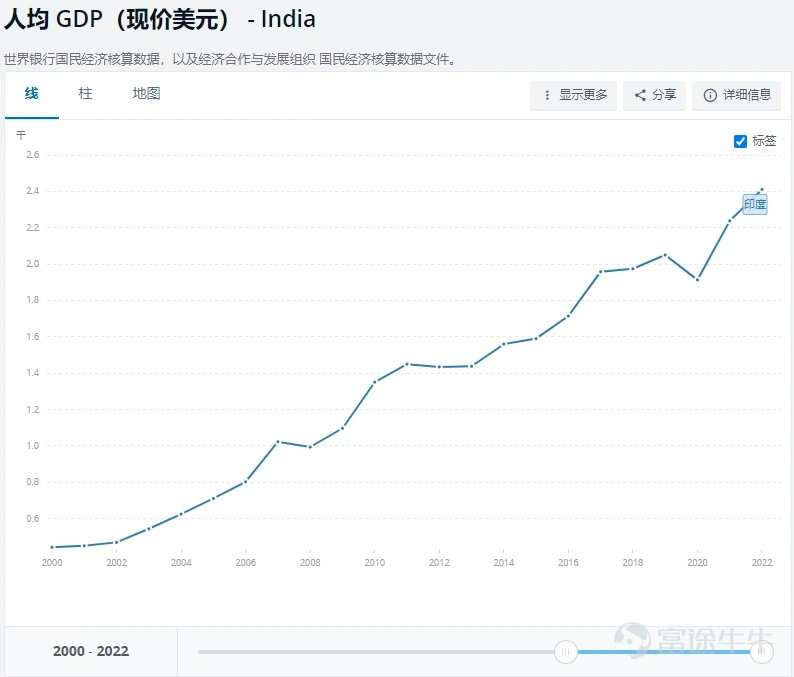
Emerging Market Funds: With $6.8 billion in inflows, such funds appeal to investors looking for higher growth prospects despite the inherent risks. Countries like China, India, and Brazil continue to offer substantial growth potential, drawing investors looking for higher returns, albeit with increased volatility.
Implications for Investors
The surge in non-US stock ETFs underscores several critical implications for investors. First, as domestic markets become increasingly unpredictable, international markets provide an avenue for risk management through diversification. By allocating capital to non-US equities, investors can reduce the risk associated with concentrated domestic exposure, thereby enhancing portfolio resilience.
Additionally, global economic recovery post-pandemic is contributing to investor optimism towards international markets. As countries navigate their recovery paths and governments implement stimulus measures, the potential for growth in various sectors globally is becoming more apparent.
Furthermore, the differing inflationary pressures and monetary policies across regions can impact the relative performance of these markets. For instance, while the Federal Reserve's stance on interest rates may create headwinds for US equities, countries with more stable economic indicators might provide a more favorable environment for investment.
Conclusion
As the landscape of global investing evolves, the significant inflows into non-US stock ETFs signal a pivotal moment for investors. By embracing international markets, investors can not only enhance their portfolios but also mitigate risks associated with concentrated domestic exposure. In this context, monitoring trends in both developed and emerging markets will be crucial for making informed investment decisions moving forward.

Keywords
- Non-US ETFs
- Developed Markets
- Emerging Markets
- Investment Strategy
- Capital Inflows
References
The movement towards non-US stock ETFs is emblematic of a broader strategic evolution in investment psychology, reflecting a growing acknowledgment of opportunities beyond traditional US markets. As global investors recalibrate their focus, the implications for portfolio management and asset allocation strategies are profound and will shape the investment landscape for the foreseeable future.