Analyzing the Impact of Trump's Tariff Announcements on Stock Market Dynamics

Introduction
On July 8, 2025, President Donald Trump announced steep tariff rates for 14 countries, a move that sent shockwaves through the stock market. This article explores the immediate effects of these tariffs on key sectors and sheds light on investor sentiment in the wake of this announcement.
Market Reaction
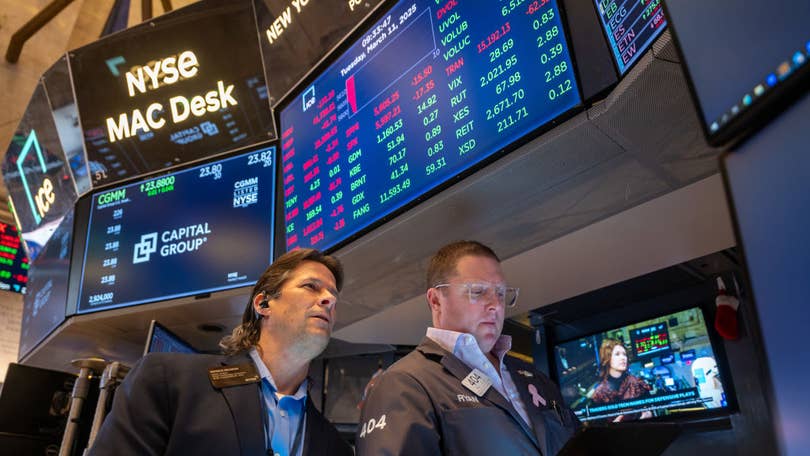
Following the tariff announcements, U.S. stocks experienced a notable sell-off, with the Dow Jones Industrial Average dropping significantly. According to CNBC, the S&P 500 and Nasdaq indices also faced declines, reflecting heightened investor anxiety regarding trade relations and economic growth. Investors reacted swiftly, reassessing the implications for companies reliant on international supply chains.
Sector Analysis
Technology
The technology sector has been particularly hard-hit. Major players like Apple (AAPL) and Microsoft (MSFT) are facing challenges due to potential increases in costs associated with imported components. The uncertainty surrounding consumer spending, exacerbated by tariffs, could lead to further volatility. Analysts are concerned that these tariffs may disrupt established supply chains and inflate production costs, ultimately impacting profit margins.
For instance, Apple’s reliance on international suppliers for components means that any increased costs could squeeze its margins, leading to potential price hikes or reduced profitability. Conversations among investors have shifted to focus on how tech companies will navigate these economic headwinds.
Consumer Staples
In stark contrast, the consumer staples sector appears to be gaining traction amidst the turmoil. Companies such as Procter & Gamble (PG) and Coca-Cola (KO) are emerging as defensive stocks, valued for their stable demand even during economic downturns. Investors seeking safety amidst the market turbulence are gravitating toward these stocks, which have historically performed well during uncertain times.
This shift is evident in the performance of these stocks post-announcement, where they have shown resilience as investors look for stability. Procter & Gamble, for example, reported that its diverse portfolio allows it to absorb some of the tariff impacts more effectively than those in the tech sector.
Investor Sentiment
Investor sentiment has turned cautious, with many looking to diversify their portfolios to mitigate risks associated with the ongoing trade tensions. Market participants are advised to focus on sectors less exposed to international trade, such as utilities and healthcare. The sentiment is shifting towards a more defensive stance, reflecting concerns about the long-term effects of these tariffs on overall economic growth.
According to recent analyses, defensive stocks are likely to outperform others as investors prioritize security over growth in volatile conditions. With the unclear trajectory of U.S.-China trade relations and the potential for retaliatory tariffs, the cautious approach among investors seems justified.
Conclusion
The recent tariff announcements by President Trump have introduced significant uncertainty into the stock market. With immediate effects seen across technology and consumer staples sectors, investors are encouraged to remain vigilant and consider adjusting their strategies in response to these developments. Continuous monitoring of economic indicators and sector performance will be crucial in navigating this complex landscape. As the market reacts to tariff implications, adaptability and informed decision-making will be key for investors looking to mitigate risks and seize opportunities.