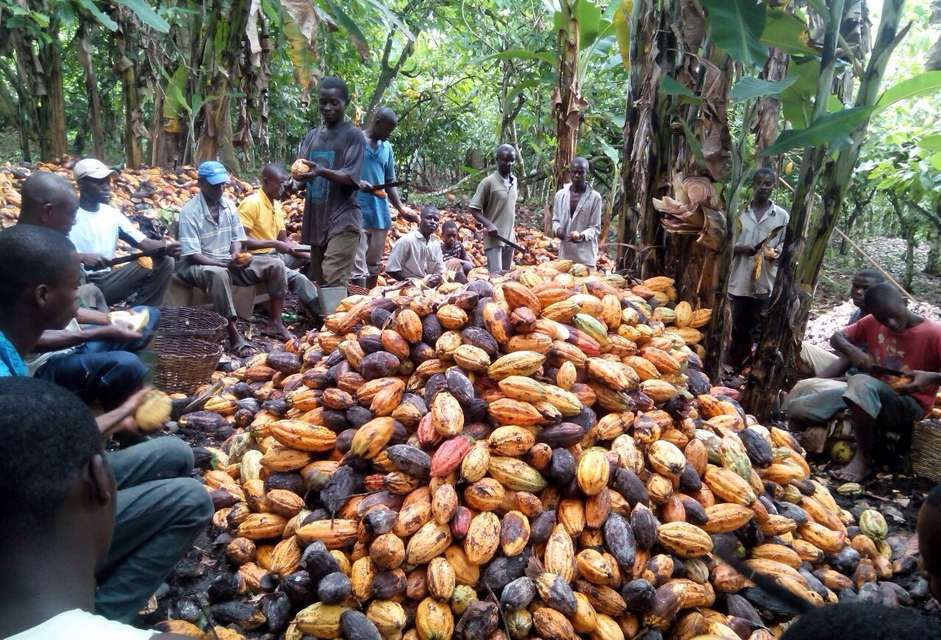
Cocoa Market Dynamics: Analyzing Supply Chain Challenges and Price Trends
The cocoa market is experiencing a tumultuous phase as it grapples with significant supply chain challenges and price fluctuations that are reshaping the landscape for investors and manufacturers alike. As of July 2025, cocoa prices have surged to approximately $3,200 per metric ton, a notable increase from about $2,800 the previous year. This volatility, driven by adverse weather conditions in key producing regions and evolving global demand patterns, underscores the complexity of the current market dynamics.

Supply Chain Challenges
Cocoa production is predominantly concentrated in West Africa, particularly in countries like Côte d'Ivoire and Ghana, which together account for over 70% of global supply. Recent reports from the International Cocoa Organization (ICCO) indicate that fluctuating rainfall and rising temperatures have adversely affected crop yields, leading to significant concerns over future supply stability. For instance, Côte d'Ivoire, often hailed as the world's largest cocoa producer, has faced reduced output due to prolonged dry spells followed by intense rainfall, which can exacerbate diseases in cocoa trees.
According to a report by Trading Economics, these climatic variations have raised fears among producers about meeting the growing global demand for cocoa, particularly as chocolate consumption maintains its upward trajectory in emerging markets. The ICCO has urged stakeholders to invest in sustainable agricultural practices that could mitigate the impact of climate change on cocoa production.
Price Trends
The surging cocoa prices reflect the underlying supply constraints. With prices hitting $3,200 per metric ton, manufacturers are facing pressure to reassess their pricing strategies. For example, major chocolate producers, including Nestlé and Mondelez International, are contemplating passing these increased costs onto consumers, which could eventually lead to higher retail prices for chocolate products.
Statistical data indicates that cocoa prices have been on a volatile upward trend, with a 14% increase noted since the beginning of 2025 alone. This price trajectory not only affects cocoa farmers but also ripples through to consumers, as the costs of raw materials become a significant factor in the pricing strategies of confectionery companies.
Demand Shifts
On the demand front, the global appetite for chocolate remains robust, particularly in emerging markets like India and China, where consumption is projected to grow significantly. However, there is a notable shift towards sustainable and ethically sourced cocoa, reflecting a broader consumer trend towards responsible consumption.
According to a recent survey by Mintel, 56% of consumers in developed markets express a willingness to pay a premium for chocolate made with ethically sourced cocoa. This shift is evident as brands ramp up their investments in sustainable practices, such as direct trade relationships with farmers and certification programs like Fair Trade and Rainforest Alliance.

These trends may further impact cocoa pricing and availability, as sustainable sourcing often comes with higher production costs. Companies that successfully navigate these challenges can differentiate themselves in an increasingly competitive marketplace.
Investment Opportunities
For investors, the current cocoa market offers a mix of challenges and opportunities. The price volatility underscores the importance of employing hedging strategies to mitigate risks associated with cocoa trading. Futures contracts and options on exchanges like the Intercontinental Exchange (ICE) provide avenues for managing price risk and capitalizing on market fluctuations.
Additionally, there is a growing opportunity for investment in companies that prioritize sustainable sourcing practices. As consumer preferences shift towards ethical consumption, businesses that align themselves with these values are likely to see long-term benefits. For instance, companies that invest in sustainable farming methods not only contribute to environmental conservation but also enhance their brand loyalty among conscious consumers.
Conclusion
The cocoa market is navigating a complex landscape characterized by supply chain challenges and shifting demand dynamics. With climate change impacts becoming increasingly pronounced, stakeholders are urged to stay informed about market trends and consider strategic approaches to capitalize on emerging opportunities in this vital commodity sector.
As the market moves forward, collaboration among producers, manufacturers, and consumers will be essential in addressing these challenges head-on. Continued investment in sustainable practices is not just a corporate responsibility; it is a strategic imperative that can lead to a more resilient and profitable cocoa industry.
For ongoing insights, resources like Trading Economics and the International Cocoa Organization provide valuable updates on market dynamics and price trends.