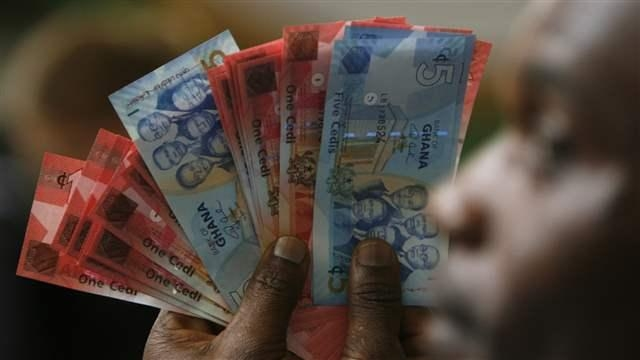
Bank of Ghana’s $1.4 Billion Forex Market Intervention in Q1 2025: Implications for Currency Stability and Policy Transparency
In the first quarter of 2025, the Bank of Ghana (BoG) undertook an unprecedented level of intervention in the foreign exchange market, injecting approximately $1.4 billion to support the Ghanaian cedi. This strategic move has propelled the cedi to become the world’s best-performing currency in 2025, appreciating impressively from about 14.7 to roughly 10.37 per U.S. dollar. Backed by robust commodity inflows, including gold and cocoa exports, alongside strong remittance flows, the intervention has not only stabilized the currency but also bolstered Ghana’s foreign reserves to $10.6 billion, representing nearly 4.7 months of import cover.
This article delves into the macroeconomic fundamentals underpinning the intervention, highlights the International Monetary Fund’s (IMF) recommendations for transitioning to a rules-based forex intervention framework, and explores the strategic challenges and opportunities that lie ahead for Ghana’s currency management in an evolving and complex global economic landscape.
Intervention Scale and Market Impact
The $1.4 billion BoG intervention during Q1 2025 marks a significant escalation compared to previous years, with projections indicating that annual interventions could reach $5.6 billion—nearly doubling the total for 2024. This substantial capital injection has been instrumental in reversing the cedi’s depreciation trend, fostering confidence among market participants, and positioning Ghana’s currency as a standout performer on the global stage.
The appreciation from 14.7 to about 10.37 cedis per dollar reflects a roughly 29% gain, a rare feat for an emerging market currency amid persistent global volatility and inflationary pressures. This intervention outcome underscores the role of timely monetary actions in mitigating external shocks and fostering financial stability.
Macroeconomic Support: Commodity Inflows and Reserve Accumulation
Central to the success of the BoG’s intervention was the favorable macroeconomic environment characterized by elevated commodity prices and sustained export performance. Ghana’s status as a leading gold and cocoa exporter has been a crucial pillar in this regard.
-
Gold Prices and Government Purchase Program: Elevated global gold prices in 2025 provided a windfall for Ghana’s foreign exchange earnings. Complementing this, government-led programs to purchase gold domestically have ensured steady inflows into the economy, facilitating reserve accumulation.
-
Cocoa Export Revenues: Ghana’s cocoa sector continued to deliver strong export volumes and revenues, benefiting from both healthy global demand and improvements in production efficiency.
-
Remittance Inflows: Diaspora remittances remained robust, supplying a steady stream of foreign currency into the domestic market. These inflows have helped cushion external accounts and reduce pressure on the cedi.
Together, these factors pushed gross international reserves to $10.6 billion by mid-2025, an unprecedented level for Ghana, enhancing the country’s ability to meet external obligations and defend the currency against speculative attacks.
IMF Recommendations: Transitioning to a Rules-Based Intervention Framework
While the BoG’s interventions have yielded short-term stabilization benefits, the IMF has cautioned against reliance on discretionary, ad hoc forex market operations. Instead, the Fund recommends a gradual shift towards a transparent, rules-based intervention framework that would:
-
Enhance Market Efficiency: Clearly defined intervention rules reduce uncertainty and distortions, allowing market forces to operate more effectively.
-
Reduce Speculative Pressures: Transparency deters speculative attacks by signaling predictable central bank behavior.
-
Improve Policy Credibility: Rules-based interventions foster investor confidence through demonstrated consistency and accountability.
The IMF’s advice aligns with best practices in emerging markets, where central banks seek to balance intervention support with market discipline to ensure sustainable exchange rate management.
Risks and Challenges Ahead
Despite the positive momentum, several risks and strategic challenges must be acknowledged:
-
Commodity Price Volatility: Ghana’s heavy reliance on commodity exports exposes foreign reserves and currency stability to global price fluctuations, which remain unpredictable.
-
Reserve Sustainability: Continuous heavy intervention risks depleting reserves if inflows slow or external shocks materialize, potentially undermining confidence.
-
Fiscal-Monetary Coordination: Effective currency management requires tight alignment between fiscal discipline and monetary policy to avoid conflicting signals to markets.
-
Market Expectations: Overdependence on intervention may delay necessary structural reforms, encouraging speculation and volatility once support wanes.
Strategic Outlook: Towards Sustainable Currency Management
To build on its Q1 2025 achievements, Ghana faces a critical juncture where policy evolution must emphasize sustainability and transparency.
Short-Term Measures
-
Maintain Interventions Prudently: Given comfortable reserve levels and strong commodity inflows, the BoG can sustain measured interventions to smooth excessive volatility.
-
Monitor Market Dynamics: Continuous assessment of capital flows, external shocks, and investor sentiment is vital to timely responses.
Medium- to Long-Term Reforms
-
Develop Transparent Intervention Rules: Establish clear criteria and communication protocols to guide forex operations, enhancing market predictability.
-
Export Diversification: Reduce vulnerability by incentivizing growth in non-commodity sectors such as manufacturing, services, and technology.
-
Deepen Domestic Capital Markets: Expand bond markets and local currency instruments to provide alternative financing sources and reduce external dependency.
-
Strengthen Policy Coordination: Enhance collaboration between fiscal authorities and the BoG to align economic objectives and reinforce macroeconomic stability.
Conclusion
The Bank of Ghana’s $1.4 billion forex intervention in Q1 2025 has been a decisive factor in the remarkable appreciation of the Ghanaian cedi, elevating it to the top spot globally in currency performance. Supported by buoyant commodity exports and remittances, this intervention has strengthened foreign reserves and restored market confidence.
However, sustaining these gains requires a strategic pivot toward more transparent, rules-based intervention policies coupled with structural economic reforms. By adopting IMF recommendations and focusing on diversification and capital market development, Ghana can chart a path toward enduring currency stability and resilient economic growth.
References:
- Bank of Ghana forex intervention details: MyJoyOnline
- IMF recommendations to Bank of Ghana: MyJoyOnline