
Navigating the Forex Market: The Impact of Central Bank Policies on Currency Values
In the rapidly shifting landscape of Forex trading, central bank policies significantly influence currency values. As we approach the end of 2025, pivotal decisions by major central banks, particularly the Federal Reserve (Fed) and the European Central Bank (ECB), have ignited substantial movements in the Forex market. Traders are now reassessing their strategies to effectively navigate the currency fluctuations resulting from these policy changes.
Current Central Bank Landscape
As of December 2025, the Fed has adopted a hawkish stance, indicating potential interest rate hikes in early 2026. This shift is poised to strengthen the U.S. dollar, positioning it as a focal point for traders globally. On the contrary, the ECB maintains a dovish approach, which can be expected to weaken the euro against the dollar. This divergence in monetary policy is crucial for Forex traders as it creates opportunities for strategic positioning.
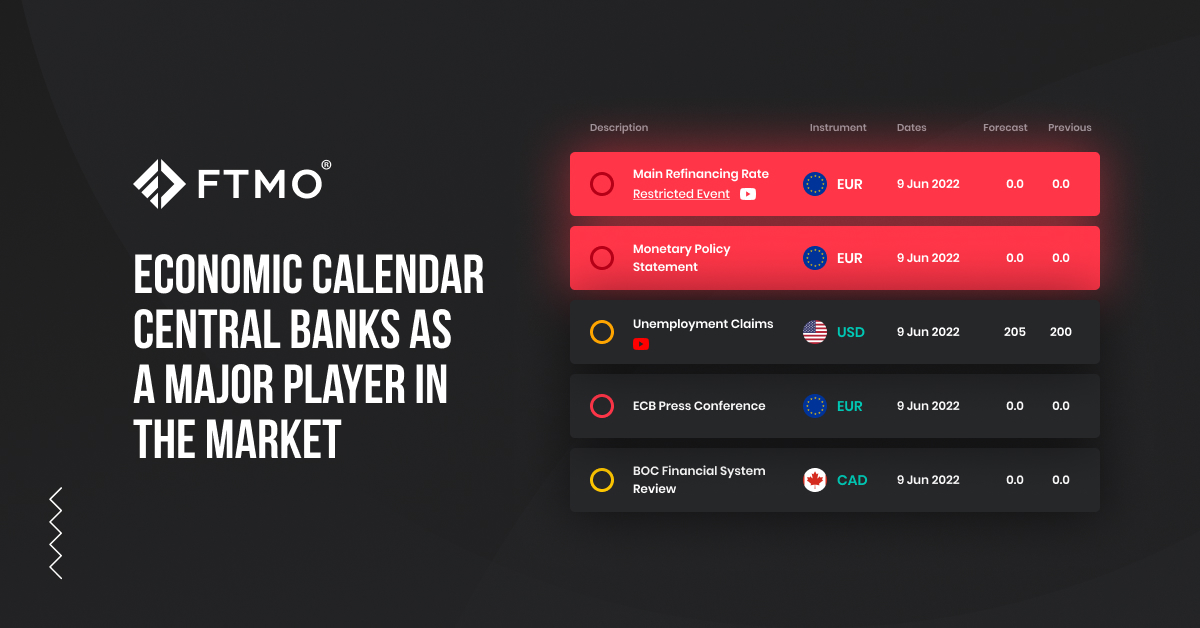
Implications for Major Currency Pairs
-
EUR/USD: The dovish stance of the ECB presents potential declines in the euro, particularly against the U.S. dollar. Traders should closely monitor economic indicators from both the U.S. and the Eurozone to anticipate movements in this pair. Current forecasts suggest that if the ECB fails to signal a shift toward tighter monetary policy, the euro could continue its downward trajectory.
-
GBP/USD: The British pound is also subject to the influence of the Bank of England's policies. As the U.K. faces various economic challenges, including inflation and unemployment metrics, traders are advised to keep a close watch on these reports. Recent trends indicate mixed signals, leading to increased volatility in this currency pair.
-
USD/JPY: The performance of the Japanese yen remains closely tied to the Bank of Japan's monetary policy. Recent data has shown a fragile yen, with analysts warning of potential volatility in the USD/JPY pair as the Bank of Japan may need to reconsider its long-held ultra-loose monetary policy amid rising global interest rates.

Strategies for Forex Traders
To navigate these central bank-driven changes effectively, traders should consider implementing several strategic approaches:
-
Diversification: Spreading investments across multiple currency pairs can mitigate risks associated with specific economies. By not placing all capital into a single bet, traders can cushion against sudden market movements.
-
Technical Analysis: Utilizing technical indicators, such as moving averages and relative strength indexes, can help identify entry and exit points based on current market trends. This analytical approach allows traders to make informed decisions aligned with market movements.
-
Stay Informed: Continuous monitoring of central bank announcements and economic reports is essential. As interest rates and monetary policies evolve, maintaining an up-to-date understanding of these factors can empower traders to adjust their strategies proactively.
Conclusion
As central banks continue to shape the Forex market landscape, traders must remain agile and informed. Understanding the implications of monetary policies is crucial for capitalizing on currency movements. By employing effective strategies, Forex traders can enhance their positioning in the market as we head into 2026.
For more insights and daily analysis, traders can refer to resources like Forex.com and Investing.com.
