
The Impact of Declining Egg Prices on the Agricultural Sector
On December 20, 2025, a notable shift occurred in the agricultural market when the price for wholesale large cartoned shell eggs in New York dropped by $0.46, settling at $1.39 per dozen. This price decline, stemming from a combination of factors including enhanced supply chain efficiencies and seasonal demand fluctuations, has significant implications for retailers, consumers, and producers alike. Understanding these dynamics is crucial for stakeholders navigating this evolving landscape.
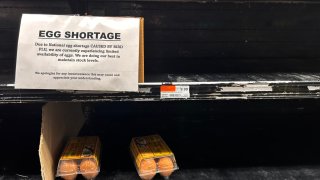
Overview of Price Decline
The recent dip in egg prices marks a critical moment in the agricultural sector. According to the USDA, the wholesale price reduction reflects both better logistics and changes in buying patterns as the holiday season approaches. This seasonal fluctuation in demand often results in significant price adjustments, particularly for perishable goods like eggs.
Factors Influencing Price Changes
Supply Chain Improvements
One of the primary drivers behind the recent price drop is the enhanced supply chain efficiency. Advances in logistics, including better transportation and storage practices, have ensured a more consistent and reliable supply of eggs. These improvements have allowed producers to meet consumer demand without escalating prices, thus stabilizing the market.
Seasonal Demand
Additionally, the seasonal nature of egg consumption plays a crucial role in price dynamics. During the holiday season, demand can increase due to festive cooking and gatherings. However, as supply chains improve, producers can more effectively manage inventory levels to prevent overstocking, thereby avoiding drastic price hikes.
Implications for Retailers and Consumers
Retail Strategies
For retailers, the drop in wholesale prices presents an opportunity to potentially lower their prices, thereby passing savings onto consumers. This strategy could increase sales volume not just for eggs, but also for related grocery categories, as price-sensitive consumers may buy more products when they perceive a good deal.
Consumer Behavior
From a consumer perspective, lower egg prices may encourage bulk purchases, leading to increased consumption. For many households, eggs are a staple, and reduced prices could prompt families to stock up, benefitting both consumers and retailers in the long run. This behavior shift also highlights the interconnectedness of consumer purchasing patterns and retail strategies in response to market fluctuations.
Agricultural Impact
However, the implications of declining egg prices extend beyond retail. Producers may need to reassess their operational strategies in response to sustained low prices. If price trends continue downward, farmers might consider adjusting production levels or diversifying their agricultural outputs to maintain profitability. The agricultural sector is inherently linked to the pricing dynamics of its products, and continuous low prices could lead to broader market shifts.
Production Adjustments
Producers might not only reduce production quantities but may also explore alternative markets or products to hedge against future price fluctuations. For instance, some egg farmers could pivot to organic or specialty eggs, which may command higher prices and offer more significant margins.

Conclusion
The decline in egg prices is a pivotal development for the agricultural market, with potential ripple effects across various stakeholders, from farmers to retailers and consumers. As the market continues to adapt to these changes, monitoring the evolving dynamics will be essential for all involved. Stakeholders must stay informed and agile to navigate this shifting landscape effectively while seeking opportunities to optimize their strategies.
In summary, the current price trends for eggs highlight the importance of understanding the factors influencing agricultural markets—ensuring that retailers and producers alike can respond effectively to consumer needs while maintaining profitability. The ongoing changes serve as a reminder of the intricate connections within the agricultural sector, where every price change can have far-reaching implications.
For more detailed insights, check out the USDA Market News.