The Rise of Cryptocurrency ATMs: A Double-Edged Sword for Investors
As cryptocurrency ATMs proliferate, they manifest both opportunities and risks for investors. In Southern Arizona, a nonprofit organization is currently leading a campaign to remove these machines, citing a troubling rise in financial scams that disproportionately target vulnerable populations, especially seniors. This development raises critical questions about the balance between accessibility and security in the cryptocurrency market.

Why It Matters
The expansion of cryptocurrency ATMs has made it easier for individuals to engage with digital currencies, potentially increasing adoption rates of well-known cryptocurrencies like $BTC (Bitcoin) and $ETH (Ethereum). However, the associated risks—particularly for vulnerable populations—cannot be overlooked. As scams become more sophisticated, the presence of these ATMs in communities may inadvertently facilitate fraudulent activities.
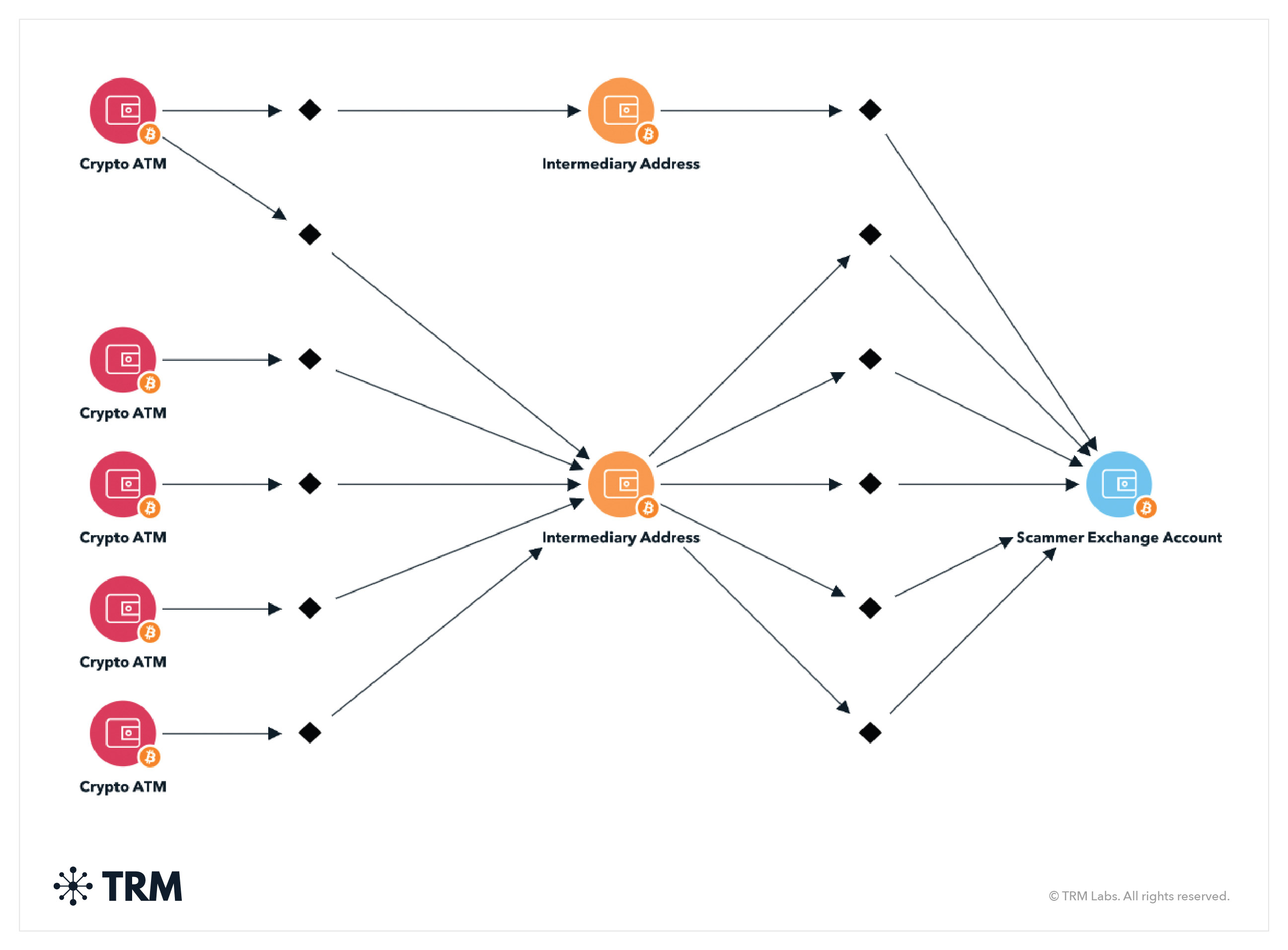
According to reports, the U.S. Federal Trade Commission (FTC) has seen a significant increase in scams involving cryptocurrencies. Notably, seniors represent a substantial portion of the victims, facing high-pressure tactics that prompt them to transfer funds via ATMs. As the FTC warns, "Scammers use various tactics to pressure victims into acting immediately," often resulting in devastating financial repercussions for the elderly.
Current Trends
Increased Accessibility
Cryptocurrency ATMs provide a straightforward entry point for new investors, allowing them to purchase digital assets without needing a bank account or an online exchange. Many ATMs enable users to buy cryptocurrencies using cash, making the process simple and immediate. As of 2025, there are approximately 40,000 cryptocurrency ATMs worldwide, with the numbers steadily rising.
Scam Surge
Scams targeting seniors have surged recently, with some individuals losing thousands of dollars. Scammers often impersonate authorities or familiar individuals, creating an illusion of urgency that pressures victims to act quickly. The FTC emphasizes that "this kind of manipulation is not just a tactic; it's a crime."
Regulatory Responses
In response to the increasing number of scams, local governments are reconsidering regulations surrounding the operation of cryptocurrency ATMs. Tucson's nonprofit campaign highlights a growing legislative interest in tightening oversight. According to a KVOA report, community leaders are now advocating for stricter regulations or outright bans on these ATMs to protect vulnerable citizens.
Implications for Investors
Investors should remain vigilant as the landscape surrounding cryptocurrency ATMs evolves. While these machines can facilitate quick transactions, they also expose users to significant risks that require careful consideration. Understanding the local regulatory environment and being aware of potential scams is crucial for anyone looking to invest in cryptocurrencies through ATMs.
Key Considerations for Investors:
-
Local Regulations: Regulations can vary widely by region. Investors should keep an eye on local initiatives aimed at regulating ATM operations.
-
Scam Awareness: It's vital for investors to educate themselves about common scams and tactics used by fraudsters. The FTC offers resources on recognizing and avoiding scams.
-
Investment Strategy: For novice investors, using ATMs may seem like a straightforward path into cryptocurrency. However, it's essential to incorporate comprehensive strategies that include thorough research and risk assessment.
-
Security Measures: Utilizing ATMs poses unique security challenges. Investors must ensure that they are using ATMs in safe locations and that they understand the transaction process to avoid potential scams.
Conclusion
As cryptocurrency ATMs continue to proliferate, they present both a gateway to digital assets and a potential risk factor for investors. Stakeholders must navigate this duality, weighing the benefits of accessibility against the imperative of protecting vulnerable populations from scams. Increasing awareness, regulatory scrutiny, and education about the risks associated with ATMs is vital for both individual investors and the broader community.
Investors should stay informed about local developments and exercise caution when using these machines, ensuring they are equipped to navigate this evolving landscape. While the allure of immediate access to cryptocurrencies is strong, the potential pitfalls highlight the need for vigilance in an uncertain market.
For further reading on scams involving cryptocurrencies, the FTC provides valuable resources. Additionally, those interested in the recent Tucson campaign to remove cryptocurrency ATMs can find more information in the KVOA article.

In a market where accessibility and risk coalesce, knowledge will be an investor's most valuable commodity.