The Impact of Geopolitical Tensions on Forex Trading: A 2025 Analysis
In an era where geopolitical tensions are increasingly front and center, the Forex market has been a prime battleground for currency volatility. Recent conflicts in Eastern Europe and escalating trade disputes in Asia have not only provoked financial reactions but have compelled traders to rethink their strategies. The implications of these geopolitical shifts extend far beyond immediate market reactions, affecting broader economic stability and investor sentiment in the currency trading sphere.

Why It Matters
The significance of understanding geopolitical events in Forex trading cannot be overstated. As conflicts arise, currencies from nations involved often experience a steep decline due to heightened risk aversion among investors. For instance, the prolonged tensions between the United States and China have traditionally bolstered the U.S. dollar as traders gravitate toward safer assets. According to recent data, the U.S. dollar index has shown resilience, currently hovering around 98.50, as safe-haven demand spikes amidst uncertainty.
Conversely, currencies from nations embroiled in conflict—such as the Russian ruble—tend to depreciate sharply. Following the introduction of sanctions against Russia, the ruble lost significant ground against its peers, with the euro and pound also feeling the ripples due to their economic ties with Europe, which faces energy supply concerns stemming from the conflict.
Adapting Trading Strategies
As geopolitical dynamics shift, traders are urged to incorporate geopolitical analysis into their trading strategies. This involves more than just monitoring headlines; it requires a comprehensive understanding of how these events influence market sentiment and currency valuation.
For example, the imposition of sanctions not only affects the targeted country's currency but can also create volatility across the Eurozone and the U.S. dollar as Europe navigates its energy dependencies. Traders should be vigilant about how these sanctions may affect energy prices, which in turn influence currencies of oil-exporting nations, such as the Canadian dollar and Norwegian krone.
Some trading strategies to consider include:
-
News Cycle Monitoring: Regularly engage with reliable financial news sources to stay informed about geopolitical developments. This includes outlets like FXStreet and Economic Times that provide real-time insights.
-
Position Adjustment: Shift positions based on anticipated market reactions to significant geopolitical developments. If a conflict intensifies, consider reducing exposure to currencies tied to the affected region.
-
Diversification: Spread investments across different currency pairs to mitigate risk. For instance, pairing EUR/USD with AUD/USD can balance exposure from geopolitical tensions affecting Europe and the Asia-Pacific region.
Currency Pairs to Watch
Certain currency pairs are particularly sensitive to geopolitical tensions and warrant close monitoring:
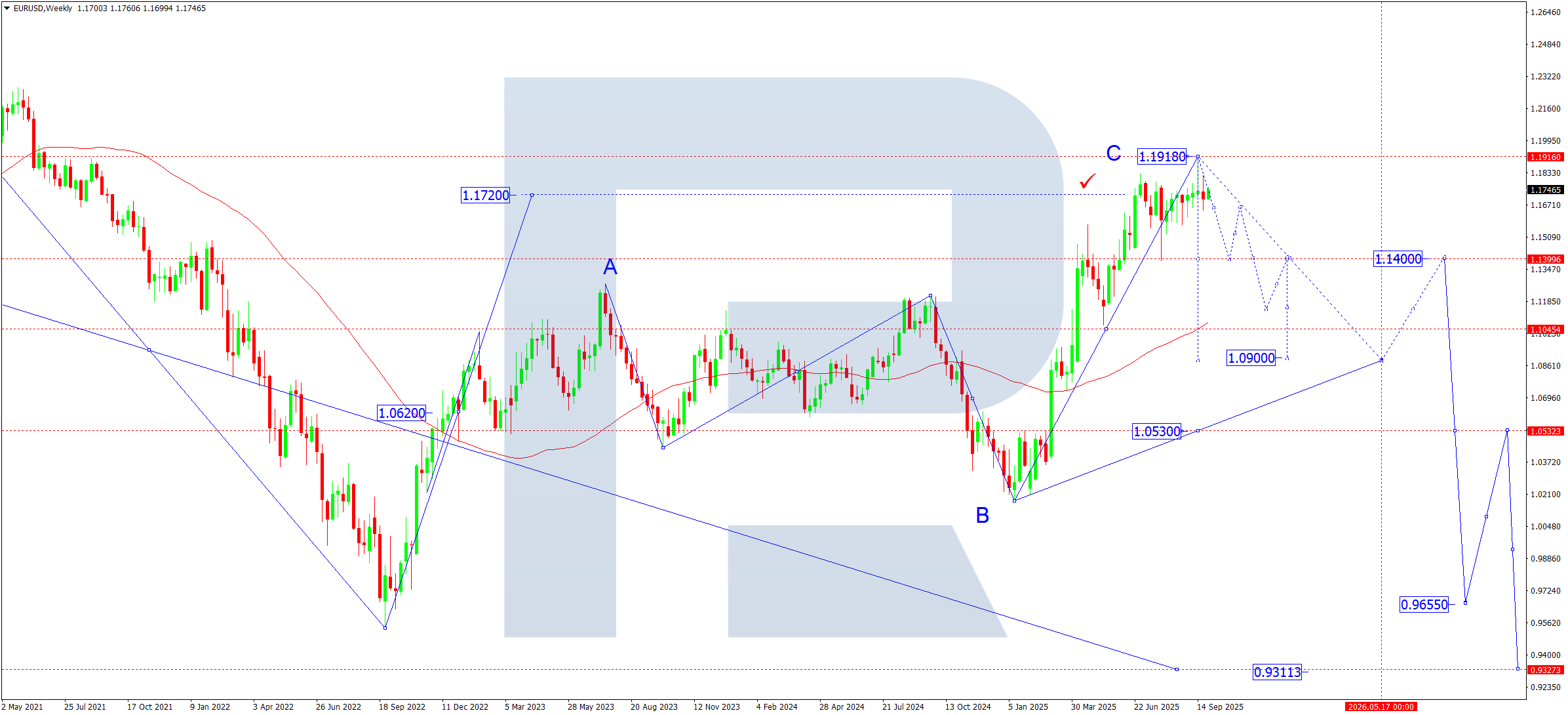
- EUR/USD: The eurozone's economic stability is often rattled by geopolitical issues, leading to fluctuations in this major pair. The euro has recently faced headwinds as concerns about energy supply from Russia persist.
-
USD/JPY: The Japanese yen often strengthens during global uncertainty as it is considered a safe-haven currency. Traders should watch for shifts in the pair as geopolitical tensions escalate.
-
AUD/USD: Given that the Australian dollar is heavily tied to commodity prices and trade dynamics, shifts in Chinese economic sentiment (due to geopolitical tensions) can significantly impact this pair.
Conclusion
As we look forward to 2026, it is evident that geopolitical developments will continue to shape the Forex landscape. Investors must remain vigilant and adaptable, leveraging geopolitical analysis to navigate this complex environment effectively.
By staying informed and responsive to global events, traders can position themselves strategically to capitalize on emerging opportunities while mitigating risks. In an interconnected world, being proactive in understanding geopolitical tensions can significantly enhance one's trading success in the Forex market.

In this volatile landscape, the ability to adapt and anticipate market movements will be the cornerstone of successful trading strategies. As the Forex market continues to react to geopolitical events, informed traders will find themselves better equipped to navigate the uncertainties ahead.