Lincoln's New Ordinance: A Step Towards Protecting Residents from Cryptocurrency Scams
In a proactive move aimed at safeguarding residents from the escalating threat of cryptocurrency scams, the city of Lincoln, Nebraska, has enacted a new ordinance mandating that all cryptocurrency ATMs display warning stickers. This initiative comes in response to alarming statistics that indicate local residents have suffered losses of approximately $12 million to scams this year alone.

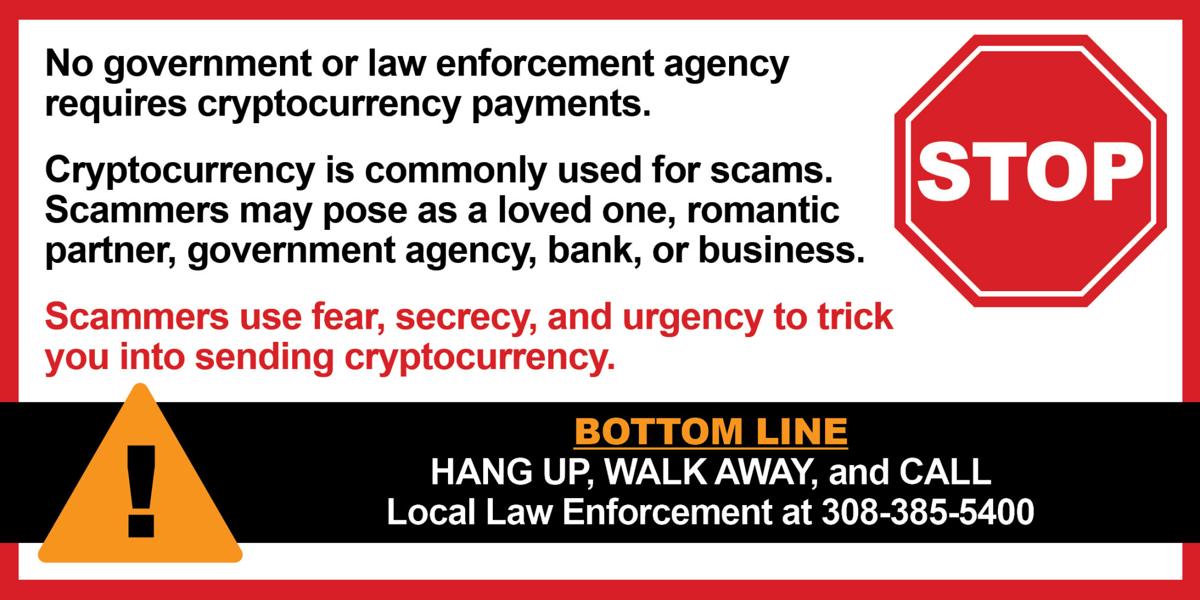
The ordinance requires the roughly 100 cryptocurrency ATMs in Lincoln to feature prominent warning stickers designed to alert users to common scam tactics. These stickers, which include a large stop sign, aim to encourage users to pause and reconsider their actions before proceeding with potentially risky transactions.
Tom Beckius, a member of the Lincoln City Council, emphasized the emotional nature of many scams, stating, "What we’re hoping is that, at the very least, people will stop and rethink what’s going on. Oftentimes, these scams are emotional in nature and can move really quickly."
Authorities have noted that many scams begin with phone calls employing high-pressure tactics, creating a sense of urgency and fear among victims. Chief Deputy Ben Houchin of the Lancaster County Sheriff’s Office warned, "Once victims are directed to a cryptocurrency ATM, the losses can be immediate and irreversible. You put your money in that ATM — it’s gone."
A Growing Concern
In addition to the sticker requirement, the city plans to add a dedicated investigator within the Lincoln Police Department to focus exclusively on cryptocurrency-related fraud starting in 2026. This move reflects the city’s commitment to enhancing consumer protection and addressing the growing concerns surrounding cryptocurrency scams.
City officials hope that these measures will not only help prevent future scams but also foster a more informed community. They encourage residents to take a step back, seek advice from trusted individuals, and think critically before engaging in cryptocurrency transactions.
As Lincoln takes these steps, it joins a growing list of cities across the United States implementing measures to protect residents from the risks associated with cryptocurrency transactions. The hope is that these initiatives will serve as a model for other cities facing similar challenges in the evolving landscape of digital finance.
The Bigger Picture
Lincoln's ordinance highlights a significant shift in how local governments are responding to the rise of cryptocurrency. As the digital asset landscape continues to evolve, officials recognize the imperative to protect vulnerable populations, particularly seniors who may be more susceptible to scams.
The new ordinance is not merely a local effort; it reflects a broader trend of increasing regulatory scrutiny in the cryptocurrency sector. For instance, according to the Economic Times, the SEC has been working on establishing clearer guidelines for cryptocurrency projects, aiming to provide regulatory clarity while fostering innovation.

In recent months, various states have introduced legislation targeting cryptocurrency scams, signaling a growing recognition of the need for protective measures in the face of rapidly advancing technology. The situation in Lincoln serves as a crucial case study for other municipalities grappling with similar issues.
Conclusion
As scams continue to proliferate in the cryptocurrency space, Lincoln's ordinance represents a critical step in safeguarding residents from financial exploitation. By requiring warning stickers on cryptocurrency ATMs and committing resources to combat fraud, the city demonstrates a proactive approach that other jurisdictions may look to emulate.
Authorities stress that education and awareness are as important as regulatory measures in this fight. Residents are encouraged to remain vigilant, seek counsel from trusted sources, and take a moment to reflect before engaging in any cryptocurrency transactions. As this situation unfolds, it will be vital for both local leaders and citizens to navigate the complexities of the digital financial landscape carefully.
For more information on the ordinance and its implications, you can view the full article here.