Navigating Rising U.S. Treasury Yields: Implications for Global Investors
As of December 2025, U.S. Treasury yields are reported to be between 4% and 4.5%, prompting a reevaluation of fixed income strategies among global investors. The tightening monetary policy and increased borrowing costs are significant factors influencing this environment, leading to a potential flight to quality and diversification into equities.
The rise in yields presents both challenges and opportunities. For existing bondholders, higher yields can lead to capital losses on current holdings, while new investors may find attractive entry points. Investors are encouraged to reassess their duration exposure and consider diversifying their bond portfolios to mitigate risks associated with rising yields.
Why It Matters
Understanding the implications of rising U.S. Treasury yields is crucial for global investors. The current yield fluctuations signal anticipated economic growth and inflation, necessitating agile investment strategies. As capital flows shift in response to these changes, investors must remain vigilant to adapt their strategies accordingly.
According to recent reports, the surge in U.S. Treasury yields coincides with an ongoing tightening of monetary policy by the Federal Reserve, which has been implementing interest rate hikes to combat inflation. This environment has led to an observable flight to quality, with investors moving capital into perceived safe-haven assets such as Treasury bonds, despite the higher yields creating potential short-term losses for existing bondholders.
The potential for capital losses arises primarily from the inverse relationship between bond prices and interest rates. When yields rise, bond prices fall, impacting portfolios heavily invested in fixed income securities. For instance, the average duration of a bond portfolio can determine the extent of this impact; longer-duration bonds are generally more sensitive to changes in yields.
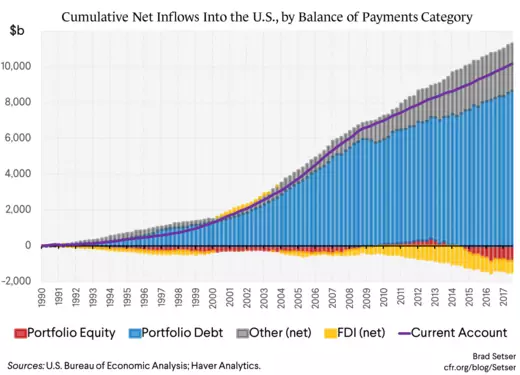
Furthermore, the shift in yields has implications for global capital flows. As U.S. bonds offer higher returns relative to foreign debt, capital may flow from emerging markets and other international assets back to the U.S. This dynamic could lead to currency fluctuations and increased volatility in global markets. For example, countries with weaker currencies may face higher borrowing costs, making it more difficult to finance their debts.
Key Strategies for Investors
-
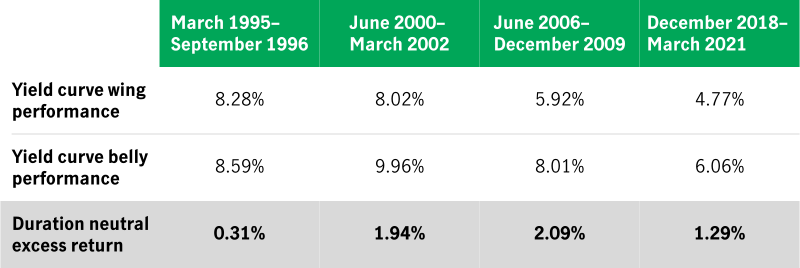
Reassess Duration Exposure: Investors holding long-duration bonds should consider shortening their duration to reduce sensitivity to rising yields. This strategy can help mitigate potential losses and position portfolios for a more favorable risk-return profile.
-
Diversification into Equities: With the potential for rising yields, equities, particularly those in sectors such as technology and financials, may offer better growth opportunities. Historical data shows that equities often outperform fixed income in rising rate environments, making them an attractive alternative.
-
Focus on Quality Bonds: Investors should prioritize high-quality bonds, such as those with strong credit ratings. These bonds are less likely to face significant price declines and may offer better relative value compared to lower-rated securities.
-
Consider Global Opportunities: As capital flows shift, global investors should explore opportunities in other markets that may benefit from U.S. monetary policy changes. For instance, emerging markets could see increased interest as investors seek higher yields outside the U.S.
-
Utilize Bond ETFs: For those seeking to manage risk while maintaining exposure to fixed income, bond exchange-traded funds (ETFs) can provide diversification and flexibility. These instruments allow investors to adjust their exposure to various fixed income sectors rapidly.
Conclusion
The landscape of fixed income investing is evolving as U.S. Treasury yields rise. Investors should focus on maintaining a balanced portfolio while exploring opportunities in other asset classes to navigate this complex market environment effectively. By adapting their strategies to the changing dynamics of interest rates and capital flows, global investors can position themselves for success in the face of rising yields.
As we look ahead, the imperative for investors will be to stay informed and agile, ready to pivot as market conditions dictate. By understanding the implications of rising yields and implementing strategic adjustments, investors can mitigate risks and capitalize on the potential opportunities that arise in the global financial landscape.