
Emerging Markets Bond Trading Surpasses $1 Trillion in 2025
MarketAxess has reported a remarkable milestone in the fixed income sector, announcing that trading volumes in emerging markets (EM) have exceeded $1 trillion year-to-date. This surge is indicative of a robust recovery in investor interest, signaling an increasing confidence in the potential returns that EM bonds can offer despite ongoing global economic uncertainties.

The findings reveal that average daily trading volumes have reached approximately $5 billion, highlighting an impressive appetite for EM debt instruments. This trend is particularly significant given the backdrop of fluctuating interest rates and geopolitical tensions that have historically impacted market stability.
Why It Matters
The substantial increase in EM bond trading volumes carries important implications for the broader financial landscape:
-
Investor Diversification: With traditional markets facing increased volatility, investors are actively seeking to diversify their portfolios. EM bonds often provide higher yields compared to developed markets, making them an attractive alternative for those looking to enhance their returns.
-
Economic Recovery: The uptick in trading volumes suggests that investors are optimistic about a recovery in emerging economies. This renewed interest could lead to improved credit ratings for these nations, potentially lowering default risks moving forward.
-
Market Liquidity: Higher trading volumes contribute to greater liquidity within the EM bond market. This increased liquidity means that investors can enter and exit positions with less impact on market prices, fostering a more efficient trading environment.
As we transition into 2026, the sustained interest in EM bonds may prompt a reevaluation of investment strategies across global fixed income portfolios. Investors should remain vigilant and consider the implications of this trend as they strategize for the upcoming year.
Broader Market Context
The rise in EM bond trading also reflects broader trends in the fixed income market, where investors are adapting to changing conditions. For example, U.S. investment-grade bonds gained over 7% in 2025, outperforming cash by approximately 3%. Similarly, international high-yield bonds saw gains exceeding 8%, indicating a shift towards riskier assets in pursuit of better returns.
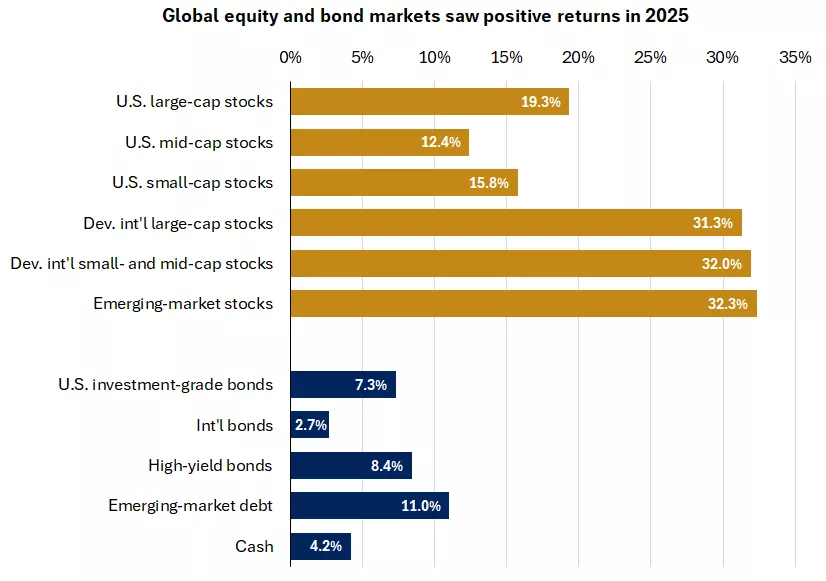
The dynamics of the global bond market are expected to evolve further in 2026, with expectations of steady economic growth and potential monetary policy adjustments. For investors, this environment presents both opportunities and challenges as they navigate the complexities of bond investing.
Conclusion
The milestone of surpassing $1 trillion in EM bond trading volumes is not merely a statistical achievement; it reflects a significant shift in investor sentiment and market dynamics. As the landscape continues to evolve, investors must adapt their strategies to align with these changes. By understanding the implications of rising EM bond engagement, market participants can better position themselves to capitalize on new opportunities while managing associated risks.
For detailed insights and continuous updates on market trends, investors are encouraged to stay informed and engage with expert analyses.
References:
