The Rise of Institutional Crypto Investments: Trends and Predictions for 2026
In a rapidly evolving financial landscape, the surge of institutional investment in cryptocurrencies has become a defining trend. Major financial players are no longer viewing digital assets merely as speculative ventures; they are increasingly recognized as essential components of diversified investment portfolios. As we look toward 2026, several key trends are emerging that shape the future of institutional crypto investments, offering insights into how these trends could redefine the landscape of digital finance.

Key Trends Driving Institutional Interest
1. Increased Regulatory Clarity
One of the most significant barriers to institutional investment in cryptocurrencies has been regulatory uncertainty. However, as global regulatory frameworks begin to solidify, institutional investors are finding greater confidence in entering the market. According to a report by MarketWatch, recent moves by governments worldwide to establish clearer guidelines are making it easier for institutions to navigate compliance and risk management effectively.
Regulatory bodies, including the SEC, are now initiating discussions on setting up frameworks specifically for cryptocurrencies and digital assets. This shift indicates a growing recognition of the importance of proper regulation in fostering a more stable and secure investment environment.
2. Emergence of Crypto ETFs
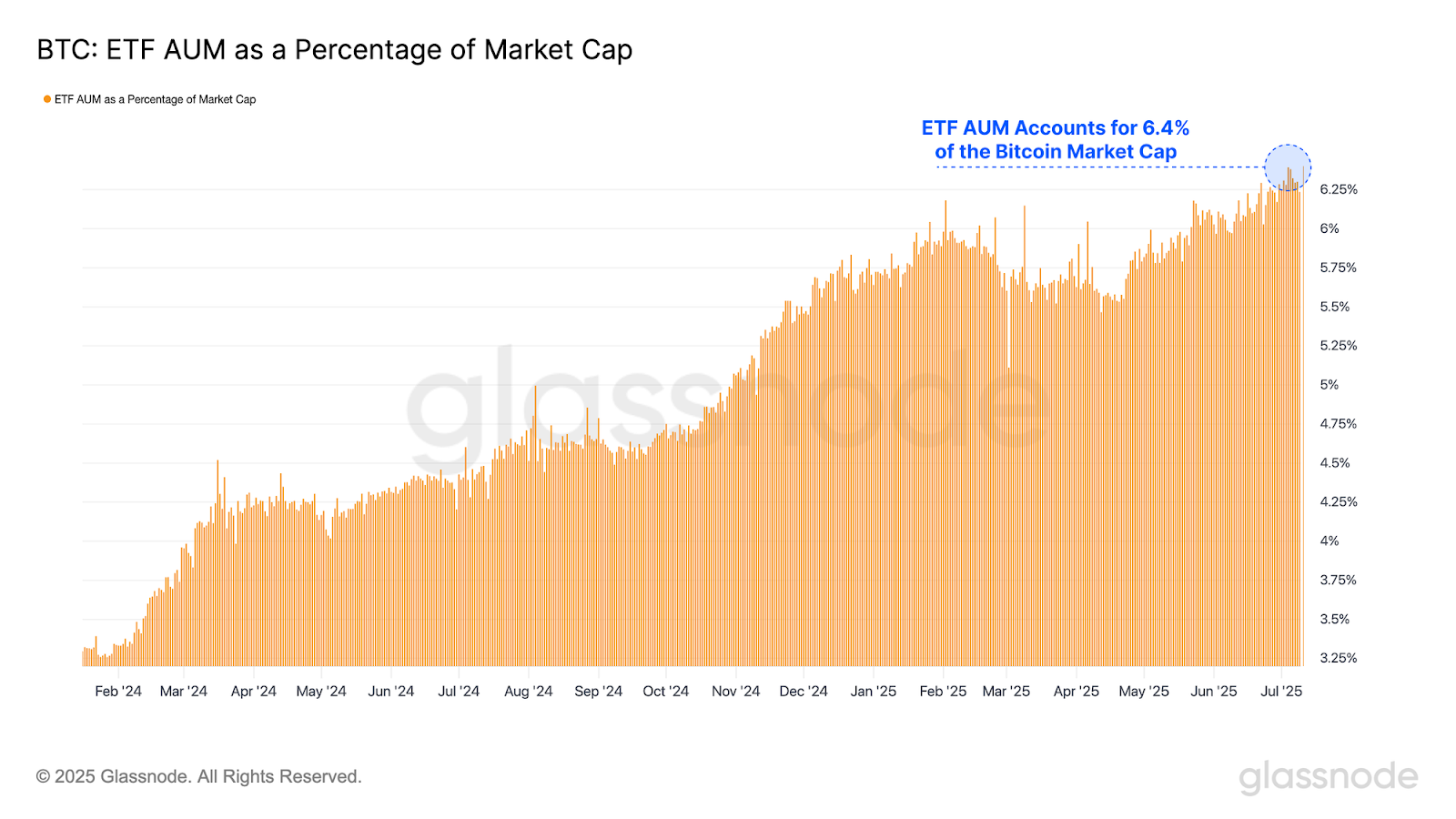
The launch of cryptocurrency exchange-traded funds (ETFs) has opened the floodgates for institutional investment. These products allow institutions to gain exposure to cryptocurrencies without the need to directly hold the underlying assets, significantly lowering the barriers to entry. In 2026, analysts predict an expansion in the crypto ETF market, with new products set to attract substantial inflows.
Current data shows that institutional investors are especially keen on ETFs due to their liquidity and regulatory oversight. A recent survey by Investing.com highlighted that 72% of institutional investors are considering adding crypto ETFs to their portfolios as part of their diversification strategies.
3. Focus on Security
As institutional adoption of cryptocurrencies grows, so does the emphasis on security. Institutions are prioritizing advanced custody solutions and insurance products to mitigate risks associated with theft and loss of digital assets. This focus on security is crucial as high-profile hacks and frauds have made headlines, raising concerns among potential investors.
Data from Economic Times indicates that nearly 93% of institutional investors are implementing enhanced security measures as a preemptive strategy against potential cybersecurity threats.
4. Integration with Traditional Finance
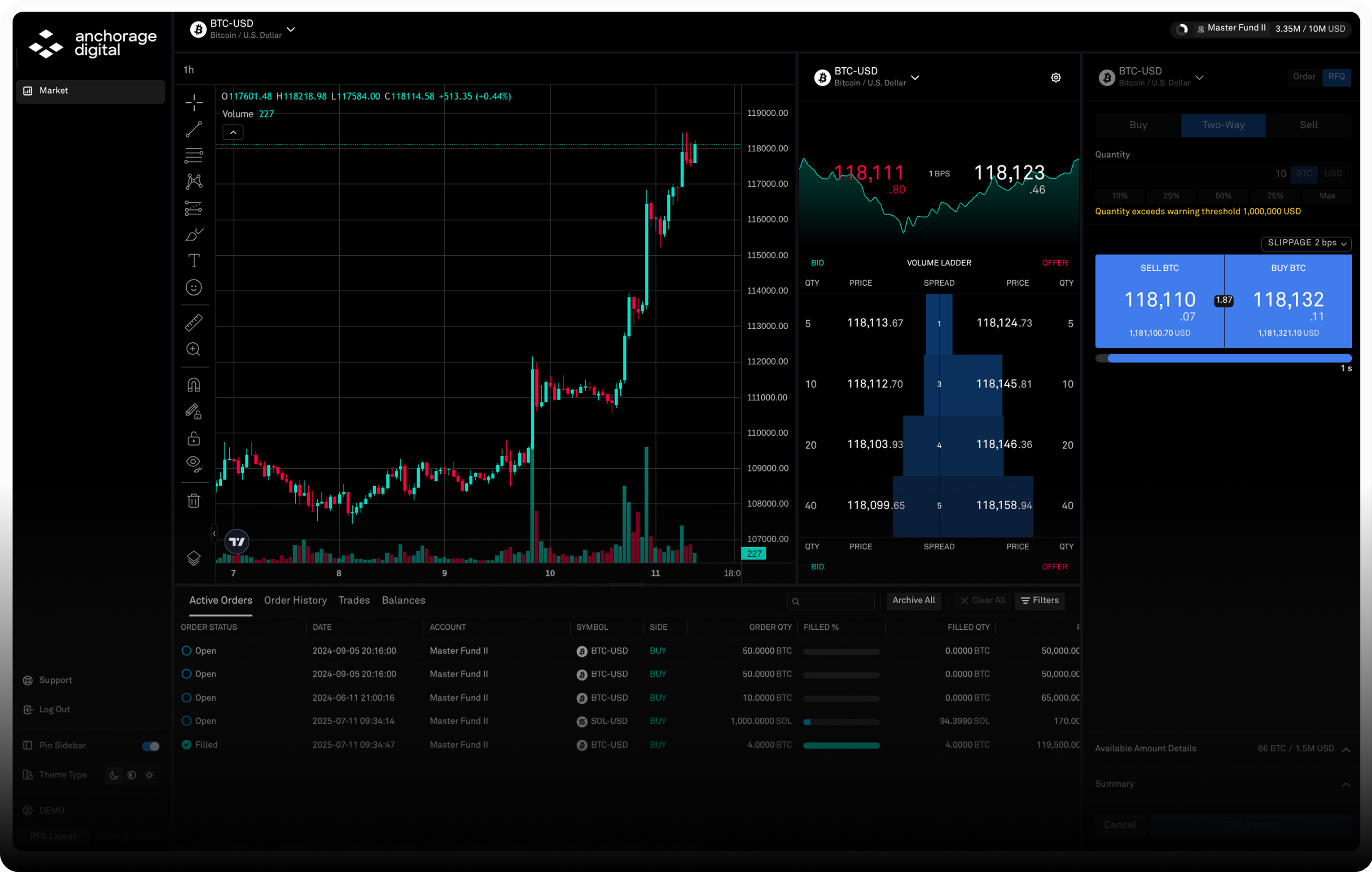
The integration of crypto services within existing financial institutions is accelerating. Major banks and financial service providers are rolling out platforms that enable clients to trade and hold cryptocurrencies alongside traditional assets. This convergence signifies not only a legitimization of digital assets but also a broader acceptance of cryptocurrencies in mainstream finance.
As the demand for crypto-related services continues to grow, institutions that adapt to this trend are likely to gain a competitive edge. According to research from [Investopedia](https://www.investopedia.com/thmb/-JeYmLDqyc70vG5JsDo9dnH9WAU=/1500x0/filters:no_upscale():max_bytes(150000):strip_icc()/Pros-and-cons-of-crypto-etfs-8362499-e85d2852ed624cdba4dc55e2538f66a0.jpg), it is predicted that by 2026, over 60% of banks will offer crypto services to their clients.
:max_bytes(150000):strip_icc()/Pros-and-cons-of-crypto-etfs-8362499-e85d2852ed624cdba4dc55e2538f66a0.jpg)
5. Sustainability Concerns
With growing awareness of the environmental impact of cryptocurrency mining, institutions are increasingly prioritizing sustainable investments. There is a significant shift towards projects that utilize renewable energy sources for their mining operations. This trend is not only environmentally responsible but also aligns with the values of socially conscious investors who prioritize ESG (Environmental, Social, and Governance) criteria in their investment decisions.
Reports indicate that investments in sustainable crypto projects have surged, with the market for green cryptocurrencies expected to exceed $1 billion by 2026, according to the latest data from Investing.com.
Predictions for 2026
As the institutional investment landscape in cryptocurrencies continues to evolve, several predictions can be made for 2026:
-
Mainstream Adoption: Cryptocurrencies are likely to achieve broader acceptance as a legitimate asset class, with institutional investors leading the charge. This shift will help to normalize digital assets in traditional investment strategies.
-
Market Maturity: The cryptocurrency market is expected to mature further, with increased liquidity and reduced volatility resulting from significant institutional involvement. This development could pave the way for more stable pricing and reduced risks for investors.
-
Innovative Financial Products: A wave of innovative financial products tailored to institutional needs is anticipated. This may include derivatives and structured products based on cryptocurrencies, reflecting the growing complexity and sophistication of the crypto market.
Why It Matters
For investors, understanding these trends is crucial for navigating the evolving crypto landscape. The increasing participation of institutional investors not only legitimizes cryptocurrencies but also enhances market stability. This environment presents new opportunities for growth and diversification, particularly for retail investors looking to capitalize on institutional strategies.
Conclusion
The rise of institutional crypto investments is reshaping the digital asset landscape. As we move into 2026, regulatory clarity, the emergence of crypto ETFs, a focus on security, integration with traditional finance, and sustainability concerns will play pivotal roles in influencing how cryptocurrencies are perceived and utilized. Investors who adapt to these trends will find themselves positioned to capitalize on the potential growth of this burgeoning asset class.
References
- MarketWatch
- Investing.com
- Economic Times
- [Investopedia](https://www.investopedia.com/thmb/-JeYmLDqyc70vG5JsDo9dnH9WAU=/1500x0/filters:no_upscale():max_bytes(150000):strip_icc()/Pros-and-cons-of-crypto-etfs-8362499-e85d2852ed624cdba4dc55e2538f66a0.jpg)