
Navigating the New Landscape of U.S. Treasury Bonds Amid Rising Debt
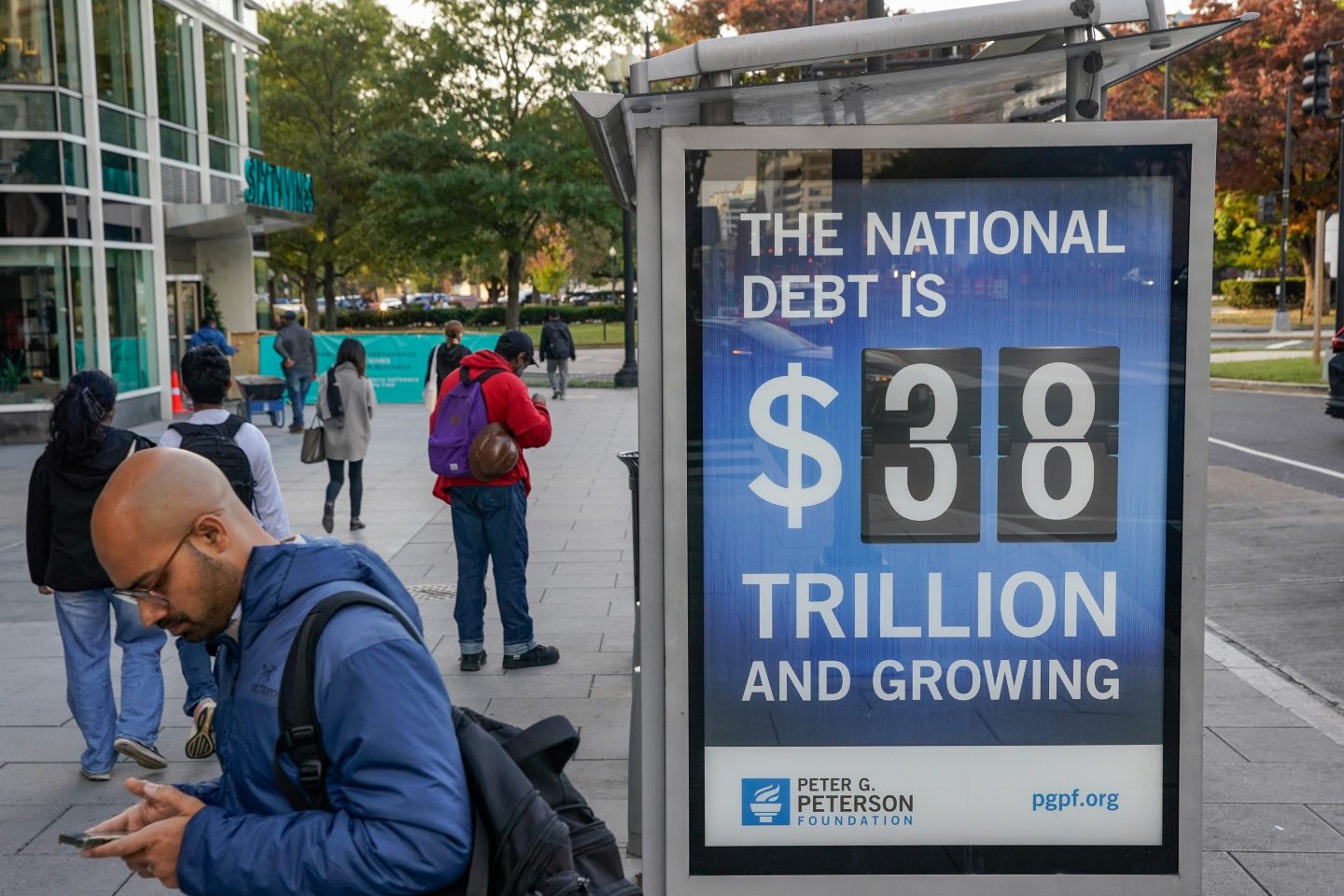
As the U.S. national debt soars to $38 trillion, the dynamics of the Treasury bond market are undergoing significant changes. Hedge funds, which have doubled their presence in this market over the past four years, are now playing a pivotal role in shaping its future. This influx of private investors raises concerns about the stability and volatility of Treasury yields, traditionally viewed as a safe haven during economic turmoil.
The Shift in Treasury Holdings
Historically, foreign governments held a substantial portion of U.S. Treasury securities, accounting for over 40% of holdings in the early 2010s. However, this figure has plummeted to less than 15% today, indicating a dramatic shift in the market's structure. As foreign demand wanes, private investors have stepped in to absorb the massive supply of Treasury bonds. With hedge funds now commanding a significant share of the market, these private investors are likely to demand higher returns, contributing to increased rate volatility.
Hedge Funds and Market Turbulence
The influence of hedge funds in the Treasury market is particularly concerning for U.S. officials. According to Geng Ngarmboonanant, a managing director at JPMorgan and former deputy chief of staff to Treasury Secretary Janet Yellen, the largest share of U.S. debt held outside the country is now concentrated in hedge funds based in the Cayman Islands. This concentration raises the potential for "unusual turbulence" during market shocks. Recent sell-offs, attributed to hedge fund activities, have raised alarms about the fragility of the financial system.
These developments signal a shift in how Treasury bonds are viewed within the broader financial landscape. Traditionally, U.S. Treasuries served as a safe haven during crises. However, the increasing influence of hedge funds has led to volatility that could disrupt this function. Ngarmboonanant warns that "those easy times are over," which might imply a need for investors to rethink their strategies regarding Treasury bonds.
Implications for Investors
For investors, the current landscape presents both challenges and opportunities. The demand for higher yields may lead to wider spreads and increased volatility, necessitating a reassessment of fixed-income strategies. As hedge funds navigate this complex environment, understanding the underlying risks and potential returns will be essential for making informed investment decisions.
Investors will need to stay alert to changes in the Treasury market dynamics. The shift from foreign to private investment not only affects yields but also impacts overall market stability. As hedge funds continue to expand their influence, their actions will likely create ripples throughout the financial system.
Conclusion
As the Treasury bond market evolves in response to rising U.S. debt and changing investor dynamics, stakeholders must remain vigilant. The interplay between hedge funds and traditional market participants will shape the future of U.S. fixed income, necessitating a proactive approach to investment strategy in the coming years. Investors must be prepared to adapt to a landscape marked by increased volatility and potential risks.
Keywords
- U.S. Treasury Bonds
- Hedge Funds
- National Debt
- Market Volatility
- Fixed Income
For further detail on the implications of hedge funds in the Treasury market, refer to this Fortune article.