The Impact of AI on Forex Trading Strategies in 2026
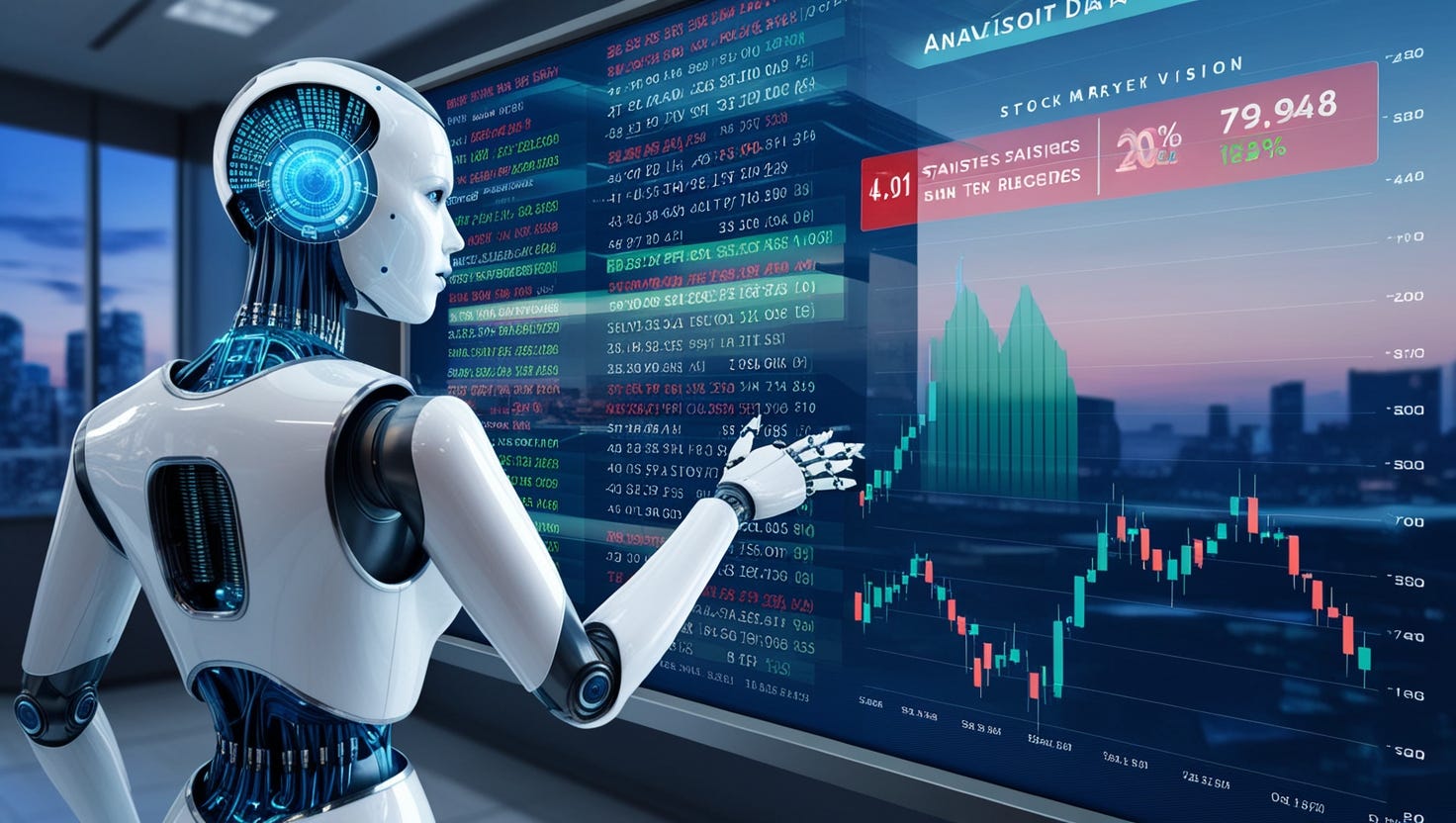
As we enter 2026, the Forex market is witnessing a significant transformation driven by advancements in artificial intelligence (AI). These technologies are not only enhancing trading strategies but also reshaping the overall trading landscape. With a daily trading volume exceeding $6 trillion, the integration of AI is proving to be a game-changer for traders across the globe.

AI-Driven Market Analysis
AI algorithms are now capable of analyzing vast datasets in real-time, providing traders with insights that were previously unattainable. By leveraging machine learning, traders can identify patterns and trends that inform their trading decisions, allowing for more accurate forecasts of currency movements. For instance, trading platforms that utilize AI can scan historical data to predict future price action based on established patterns. This level of analysis was traditionally reserved for institutional traders with access to extensive resources.
Automation and Efficiency
Automated trading systems powered by AI are reducing human error and increasing efficiency. These systems can execute trades at lightning speed, capitalizing on market opportunities that may only exist for a brief moment. As highlighted in recent articles, the ability to automate trading processes means that traders can engage in high-frequency trading without the limitations of human analysis. This capability is crucial in a market characterized by volatility, where the difference between profit and loss can be a matter of seconds.
According to experts, "Traders who employ automated systems can manage multiple currency pairs simultaneously, allowing for a more diversified trading approach." This approach not only enhances the potential for profit but also mitigates the risks associated with emotional decision-making.
Democratizing Trading
The integration of AI into trading platforms is also democratizing access to Forex trading. Novice traders can now utilize social trading platforms that allow them to follow and mimic the strategies of experienced investors, thereby lowering the barriers to entry in the Forex market. This trend is particularly notable as it aligns with the broader shift towards financial inclusivity, enabling more individuals to participate in the market regardless of their prior experience.
"Social trading platforms are bridging the gap between seasoned traders and novices, making Forex trading more accessible than ever before," said a spokesperson from FXStreet. This accessibility encourages a diverse group of individuals to engage with Forex, contributing to a more vibrant trading community.
Future Outlook
Looking ahead, the role of AI in Forex trading is expected to grow even further. Traders who embrace these technologies will likely gain a competitive edge, while those who resist may find themselves at a disadvantage. As the market continues to evolve, staying informed about AI advancements will be essential for success. Continuous learning and adaptation will be crucial for traders aiming to harness the benefits of these technologies.
Additionally, with ongoing discussions around regulatory frameworks for AI in trading, it's important for traders to remain compliant while leveraging these advanced tools. "The future of Forex trading will not only be about understanding market dynamics but also about embracing technology to make informed decisions," analysts from Litefinance emphasize.

Conclusion
In conclusion, AI is set to revolutionize Forex trading strategies in 2026. Traders must adapt to these changes and leverage AI tools to enhance their trading performance. As AI technologies continue to evolve, they will play a pivotal role in shaping the future of Forex trading. The necessity for traders to stay updated on technological advancements will be critical in navigating an increasingly complex market.
For more insights on Forex trading and the impact of AI, resources such as LiteFinance and FXStreet offer valuable information and analysis.